
Last updated November 25, 2026
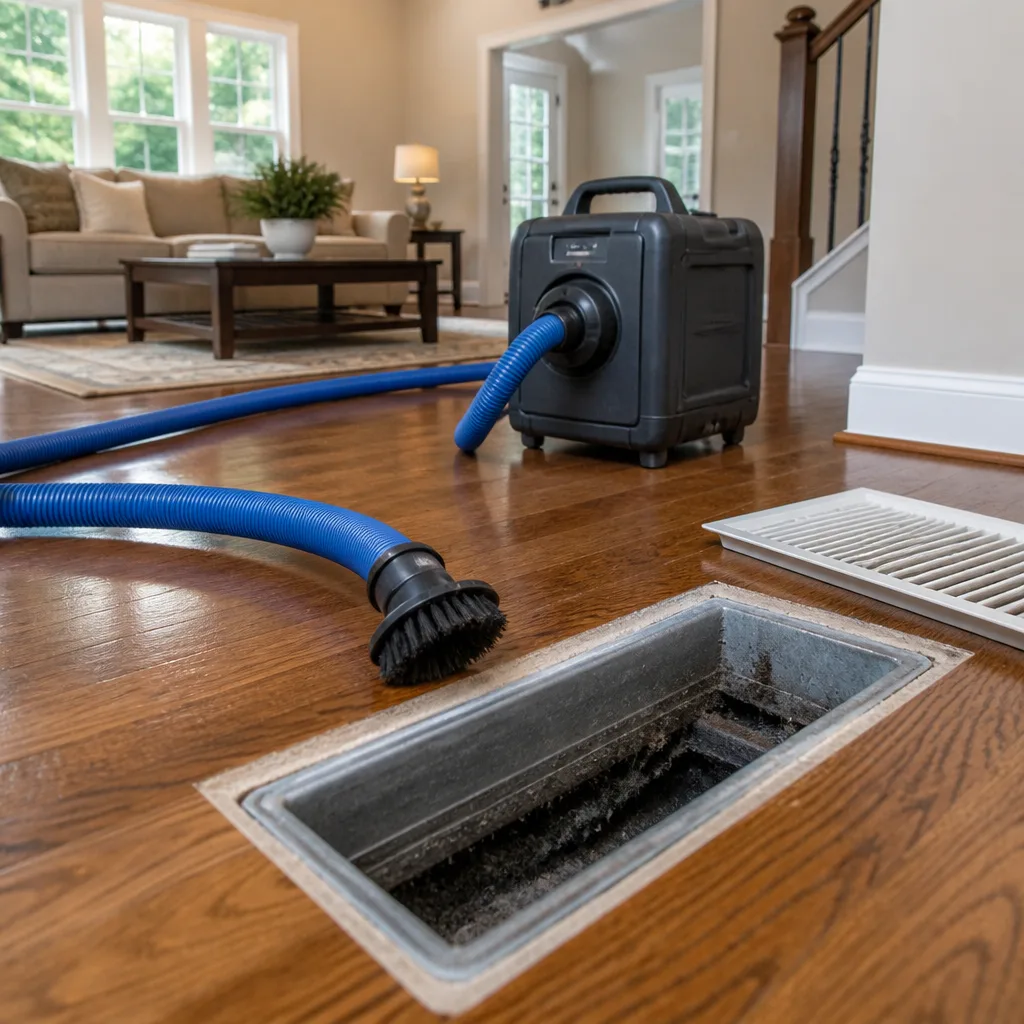 Whole-home duct cleaning
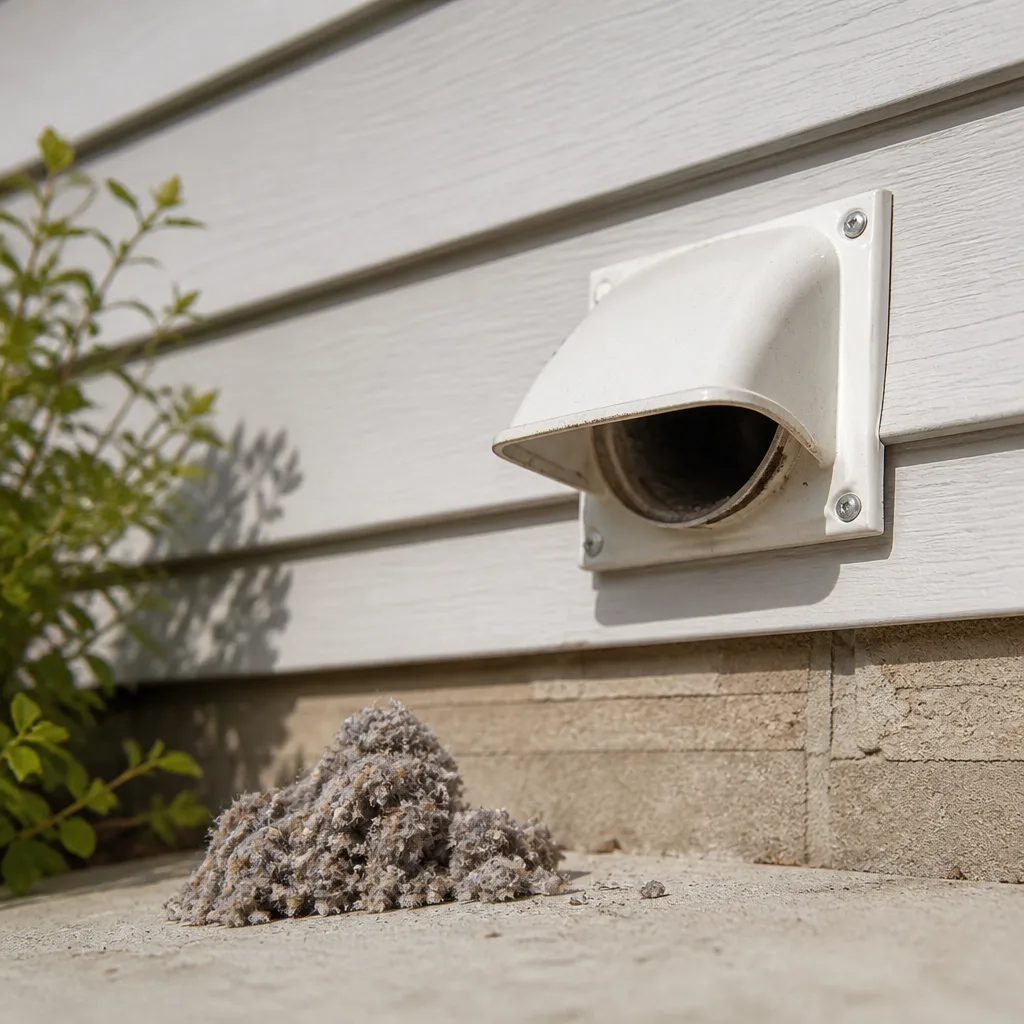 Dryer vent cleaning
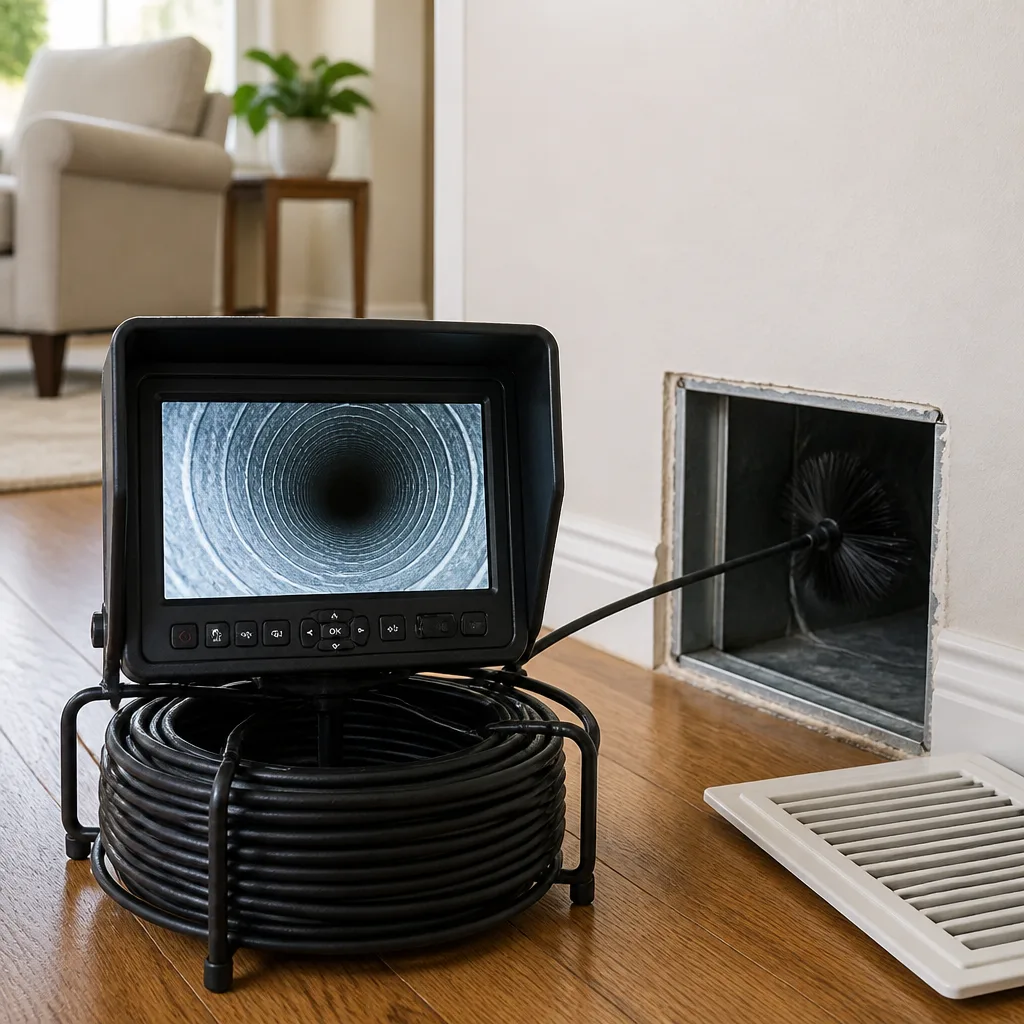 Camera inspection
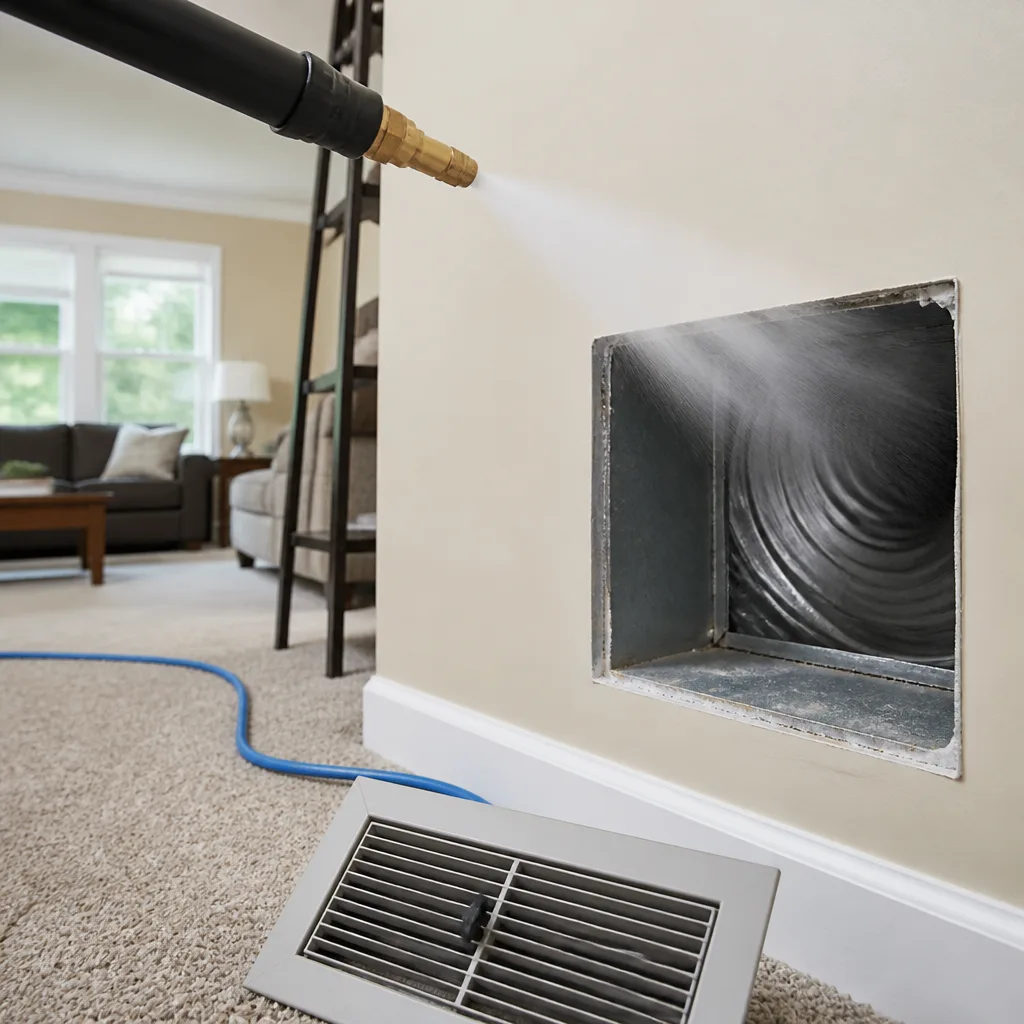 Sanitizing & deodorizing
Whole-system duct and dryer vent check with before-and-after photos - you see exactly what came out of your vents
That "$99 whole-house special" is a bait ad - the real number appears once they are in your hallway, or the "clean" is a shop-vac at the register. We photograph the inside of your ducts before and after instead.
How to Hire an Air Duct Cleaning Contractor in Knoxville: A Step-by-Step Guide
Most homeowners in Knoxville shop for duct cleaning the way they shop for a haircut: they call three numbers, compare prices, and pick the lowest. That is exactly the wrong approach. The single most common bait-and-switch in this trade, the $49 whole-house special, is still circulating in the Knoxville market, and it survives because homeowners don’t know what questions to ask before the crew arrives. The equipment a company brings to your door says more about the work than any website testimonial ever will. This guide gives you four or five equipment-specific questions that separate professional operators from crews running inadequate gear, plus the contract terms that protect you when contamination turns up mid-job.
Quick Answer
Hiring an air duct cleaning contractor in Knoxville comes down to verifying four things: the equipment (ask for machine brand, CFM rating, and negative-air placement), the process (whole-system pricing, not per-vent), the documentation (before-and-after photos are standard, not optional), and the paper trail (state licensing and both general liability and inland marine coverage). A contractor who can answer those questions in plain language is worth talking to. One who dodges any of them is not, regardless of the price.
Styles & brands we work with
- Whole-home duct cleaning
- Dryer vent cleaning
- Camera inspection
- Sanitizing & deodorizing
Table of Contents
- The Two-Minute Phone Call That Separates Pros From Pretenders
- What to Ask About Negative-Air Equipment
- Why NADCA Membership Is a Floor, Not a Ceiling
- Contract Terms That Protect You
- Per-Vent Pricing vs. Whole-System Pricing
- How to Verify Insurance (and Which Coverage Type Actually Matters)
- What Knoxville Homeowners Should Know About Their Ducts
- Verifying the Work After the Crew Leaves
The Two-Minute Phone Call That Separates Pros From Pretenders
A short phone call tells you more than an hour of internet research. The point isn’t to catch anyone in a lie; it’s to listen for whether the person on the other end of the line can describe a process or recites a script. Professional operators in this trade are happy to talk about their equipment, because the equipment is the selling point. Low-cost crews change the subject to price.
Here’s what you’ll hear from each, and what it means.
- When you ask which machine they’ll bring: a pro names a brand (Rotobrush, Nikro, Abatement Technologies are the three you’ll hear most often) and can say why they chose it. A suspect operation says “industrial equipment” without naming anything.
- When you ask how many people come out: a real answer includes the number of technicians and roughly how long the job runs. Vague answers like “however long it takes” usually mean the crew is being sized on the day.
- When you ask for a range: a pro gives you a whole-system range based on your square footage and number of systems. A suspect operation quotes a flat number before asking the first question about your home.
- When you ask about photos: a pro treats it as an obvious part of the job. If the answer is “we can take some if you want,” keep calling.
The whole exchange takes about two minutes. A company that fails it will fail the job, and you’ll have saved yourself a wasted half-day. For a deeper look at what professional service actually involves, our air duct cleaning page walks through the process step by step.
What you should be able to say by the end of the call
- The brand of the vacuum and rotary brush system they’ll use.
- Whether they’ll place a negative-air machine in your home.
- The number of systems being cleaned and the access points they’ll open.
- Whether they document before and after.
- What their written estimate includes and what could change it.
What to Ask About Negative-Air Equipment
This is the single most important equipment question in duct cleaning, and almost no homeowner asks it. Negative-air machines are the reason professional duct cleaning doesn’t just redistribute dust into your living room. They create lower pressure inside the duct system than inside the room, so when the rotary brush dislodges debris, that debris flows toward the vacuum instead of billowing out of the supply registers. Skip this step and you’ve paid for a very thorough dust storm.
Here’s how to ask, and what a good answer sounds like:
- Machine brand. Ask, “What negative-air unit will you bring?” Names like Abatement Technologies come up in serious operations. If the answer is “the same machine everybody uses” with no brand name, ask again.
- CFM rating. CFM means cubic feet per minute, and it’s a rough measure of how much air the machine can pull. A capable setup runs into the thousands of CFM for residential work. Ask what the rating is, and whether it’s a single unit or two working together.
- Placement. Good operators put the negative-air unit at the central return or the air handler plenum, then work the system branch by branch so each duct is under suction when the brush is inside it. Ask where the ports go, and listen for a specific answer rather than “wherever we can fit it.”
- Filtration. HEPA-rated filtration keeps the exhausted air cleaner than the air going in. Nikro HEPA vacuums are common in professional setups for exactly this reason. Ask whether the machine is HEPA-rated.
- Containment. Unsealed return grilles and register boots whistle air while the vacuum runs. Good crews seal them before they start brushing. Ask how they handle regrilles and whether they tape them off.
When you’re ready to call, our number is (844) 625-6998. We answer 24/7. Fast dispatch from 7am to 7pm, Sunday through Friday. You’ll get a real answer to these questions, because we use the equipment we describe.
Why NADCA Membership Is a Floor, Not a Ceiling
The National Air Duct Cleaners Association (NADCA) sets the industry’s assessment, cleaning, and restoration standard, and its member directory is a reasonable starting point. But a logo on a website is not an audit. Any company can pay dues; what matters is whether the practices behind the logo show up on the truck.
Here’s how to use NADCA intelligently when you’re screening contractors in Knoxville.
- Treat membership as the entry ticket, not the destination. It tells you the company has committed to a standard. It doesn’t tell you the crew on your job knows it.
- Ask about the assessment step. NADCA’s standard calls for a visual inspection before cleaning begins. If the technician shows up and starts brushing without looking first, that’s a signal the standard is decorative.
- Ask what the crew is equipped with. The standard emphasizes HEPA filtration and source removal. Confirm the vacuum and any containment equipment are HEPA-rated. Rotobrush systems and Nikro vacuums are both HEPA-filtered when set up properly – ask the operator to confirm.
- Ask about post-clean verification. Professionals inspect the system after cleaning, not just before. If the answer to “how do I know it was done?” is “trust us,” keep shopping.
One more thing worth knowing: NADCA membership doesn’t obligate a company to follow every recommendation in the standard, and it doesn’t replace checking insurance, licensing, and documentation practices. Use it as one filter among several. Our broader Air Duct Cleaning Knoxville Pros guide covers the full scope of what equipment-dependent cleaning looks like when it’s done well.
Contract Terms That Protect You
The written estimate is where most disputes get settled before they happen. Read it carefully before you sign, and don’t accept a verbal promise in place of a written term. Three clauses matter more than any other part of the paperwork.
1. Scope of access points
Your estimate should name the number of access points the crew will open and the number of systems they’ll clean. If a company doesn’t know how many systems you have – a single-family home common in Knoxville’s older neighborhoods might run one or two – they can’t price the job honestly. Access points are drilled where existing vents don’t reach the ductwork. The estimate should state how many will be needed and whether patches or covers are included.
2. Photo documentation before and after
Photo documentation isn’t a premium add-on; it’s basic professionalism. The estimate should state clearly that the crew will photograph the duct interior before cleaning and after, and that you’ll receive those photos. If the estimate doesn’t mention photos, ask. If the answer is “we don’t normally do that,” you’ve learned something important about how the job will be run.
3. What happens if contamination is found mid-job
Old ductwork sometimes hides surprises: mold growth on the interior liner, pest evidence, or damaged flex duct. A professional operator stops, documents what they found, and comes back to you with a revised scope before doing the additional work. A crew that keeps going and surprises you at the invoice is the exact pattern behind this trade’s worst reputation. Ask the question directly: “If you find something serious, what’s the process?” A clear answer – stop, photograph, inform, re-estimate – tells you they’ve thought about it.
Also confirm what’s not included. Some quotes exclude dryer vent cleaning, sanitizing, or duct repair. If any of those are part of what you’re buying, get them in writing. Our HVAC cleaning page covers what the system-wide scope typically looks like when the contract is properly detailed.
Per-Vent Pricing vs. Whole-System Pricing
The per-vent model is where most pricing confusion starts. A quote like “we charge $X per vent” sounds clear, but it hides how a contractor decides which vents count. Ten? Twenty? The registers only, or the boot behind them too? A whole-system quote makes those decisions explicit before you sign, and it’s the right model for anyone who actually cares about the result.
Here’s what each approach signals about the crew.
What per-vent pricing usually signals
- The price is built to scale with the number of registers, not the complexity of the system. More registers means more line items.
- Access points, negative-air setup, and post-clean inspection are easy to leave out because they aren’t “vents.”
- The crew is incentivized to move fast rather than thorough. Each register is a billed unit, not a branch of a system.
What whole-system pricing usually signals
- The contractor has to inspect first, because you can’t quote a system you haven’t seen.
- Access points, containment, cleaning of the air handler and plenum, and final inspection are all rolled into one price you agree to in advance.
- The work is priced per job, not per widget, so the crew can spend the time the system actually needs.
At Air Duct Cleaning Knoxville Pros, we quote one flat price per system after we’ve inspected. No per-vent math, no surprise line items. The written estimate sets the final number, and that’s what you pay. Estimates are free – call (844) 625-6998.
Red flags in a quote worth walking away from
- A price quoted before the contractor has asked a single question about your home.
- A full-house number that undercuts every other bid by a suspicious margin.
- “Fees apply” language that turns a low number into a high invoice once the technician is inside.
- A quote that includes cleaning but excludes inspection, photos, and containment.
- Any pressure to decide “today only.”
How to Verify Insurance (and Which Coverage Type Actually Matters)
General liability insurance is the baseline every contractor should carry, and it covers damage to your home from a crew’s actions. But for duct work specifically, general liability alone is not sufficient. The gap is equipment and materials coverage, and it’s the one most homeowners never ask about.
Here’s the practical way to think about it.
- General liability (GL): covers third-party injuries and property damage on your site. If a technician knocks a supply register off and it lands on something breakable, GL responds.
- Inland marine (or a contractor’s equipment floater): covers the contractor’s own equipment while it’s in transit or at a job site. If the negative-air machine or rotary brush system is damaged, this coverage is what protects the operator’s ability to keep the job going – and reduces the chance of a surprise invoice to you. It’s a specialization most general contractors don’t carry; ask specifically.
- Workers’ compensation: covers the crew if someone gets hurt on your property. Not all small operators carry it. Ask directly.
To actually verify, don’t just ask “are you insured?” Ask for a certificate of insurance (COI) and confirm the policy is active. Any professional operation can produce one quickly. If the request is met with friction, that’s the answer.
What Knoxville Homeowners Should Know About Their Ducts
Ductwork in Knoxville runs the spectrum. A house built in the last ten years in a new subdivision west of town is likely run in flex duct with a single air handler. An older home in neighborhoods like Fourth and Gill or Old North Knoxville may have original sheet metal ductwork with years of accumulated debris, sometimes wrapped in insulation that’s degraded. Both can be cleaned well; they’re just different jobs, and a contractor who prices them the same isn’t paying attention.
Climate matters, too. Knoxville summers are humid, which is hard on duct insulation and on any air quality equipment that isn’t rated for it. Homes with a heat pump running cold air through ducts in a humid attic are more prone to condensation on the duct exterior and moisture inside the liner. That’s exactly the scenario where whole-home IAQ products like Honeywell or Aprilaire filtration and dehumidification systems earn their keep, because they address humidity at the source rather than after the duct cleaning is done. It’s also the reason a contractor who can advise on equipment beyond the cleaning visit is worth more than one who shows up, brushes, and leaves.
Older homes and renovations
Two scenarios in Knoxville come up again and again: a recently purchased house with unknown cleaning history, and a post-renovation home that has drywall dust throughout the system. Both warrant cleaning the full air pathway, not just the supply side. Drywall dust settles in returns and in the air handler plenum; clean only the supply side and the new install circulates the same dust back through the house within a week. This is where the full-scope services – supply, return, dryer vent, and post-clean sanitizing – pay off in a single visit.
Dryer vent cleaning deserves its own mention. The National Fire Protection Association identifies dryer vents as a fire-prevention concern, and lint accumulation is the root cause. Many pure duct cleaners skip dryer vent cleaning entirely because it’s a different piece of equipment and a different workflow. If a company offers it, that’s a signal they treat home air safety as a whole-system problem. Our dryer vent cleaning page covers what the service involves.
Verifying the Work After the Crew Leaves
Verification is the step homeowners skip, and it’s the reason the trade’s bait-and-switch reputation persists. If you don’t look at the evidence, you can’t tell the difference between a properly cleaned system and one that got a light brushing. Here’s what to look for after the crew packs up.
- Ask for the before-and-after photos while the crew is still there. Review them on your phone, not later. If the interior of the ductwork looks substantially the same in both, ask why before signing off.
- Check the access points. Panels should be properly sealed and patched, not gaping. If the crew drilled new access points, you should see covers or a clean patch on the drywall.
- Inspect the registers and boots. They should be reinstalled and clean. Some dust settling in the first day is normal; visible debris or a heavy coating means the cleaning was incomplete.
- Look at the vacuum canister. A professional crew will have collected a visible load of debris – enough that a homeowner should be able to see it. Some operators photograph the canister itself. Good practice.
- Check the contract against the work. Were the promised number of access points opened? Was the dryer vent actually cleaned, or just “checked”? Every line item should match what happened.
Our method uses Air Duct Cleaning Knoxville Pros documented approach: we photograph what we find, we clean what the estimate says we’ll clean, and we hand you the evidence. That’s the whole reason we name our equipment – because when the gear is professional-grade, the photos show it.
Common Mistakes to Avoid
- Booking the $49 special. That price survives because it leads to a larger invoice once the crew is inside. If the number doesn’t include a whole-system scope in writing, it isn’t the real number.
- Not asking what equipment is coming. A shop vacuum and a rotary brush aren’t the same tool, and the difference in result shows up immediately in the photos. Ask before you book.
- Accepting a per-vent quote. Registers get counted, but negative-air setup, access points, and inspection don’t – which is exactly where the work gets skipped in per-vent models.
- Missing the insurance question. General liability covers damage to your house; inland marine covers the contractor’s equipment. Both matter for duct work. Ask for the certificate of insurance and verify.
- Forgetting the dryer vent. In Knoxville, many duct-only cleaners skip the dryer vent entirely. If fire prevention is part of why you’re cleaning ducts, this matters.
- Skipping the post-clean inspection. Reviewing the before-and-after photos while the crew is still on site is the single easiest way to catch incomplete work. Do it before they leave.
- Choosing a company that can’t address duct repair. Older Knoxville homes often need a leaky joint sealed while the crew is already up in the system. If repair is out of scope, a second visit is needed just to seal one leak.
See the difference
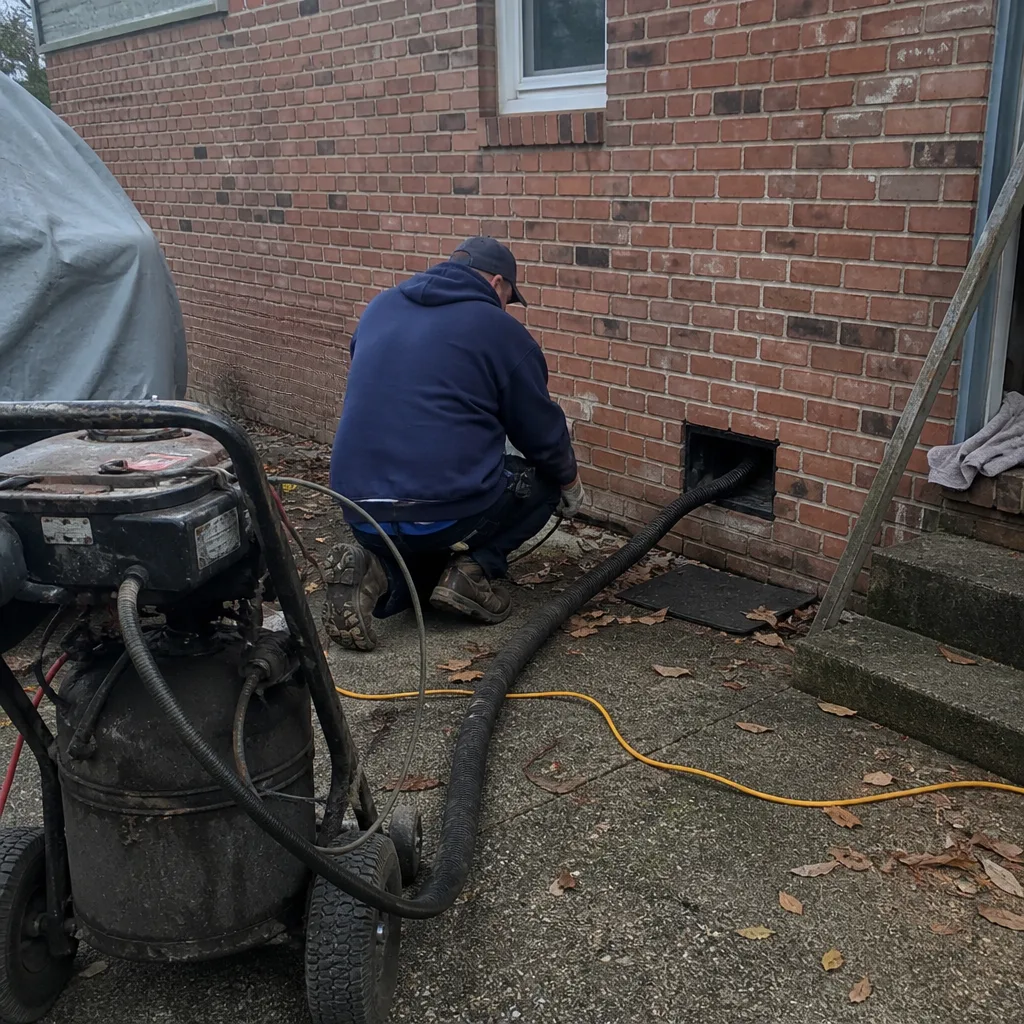 Before
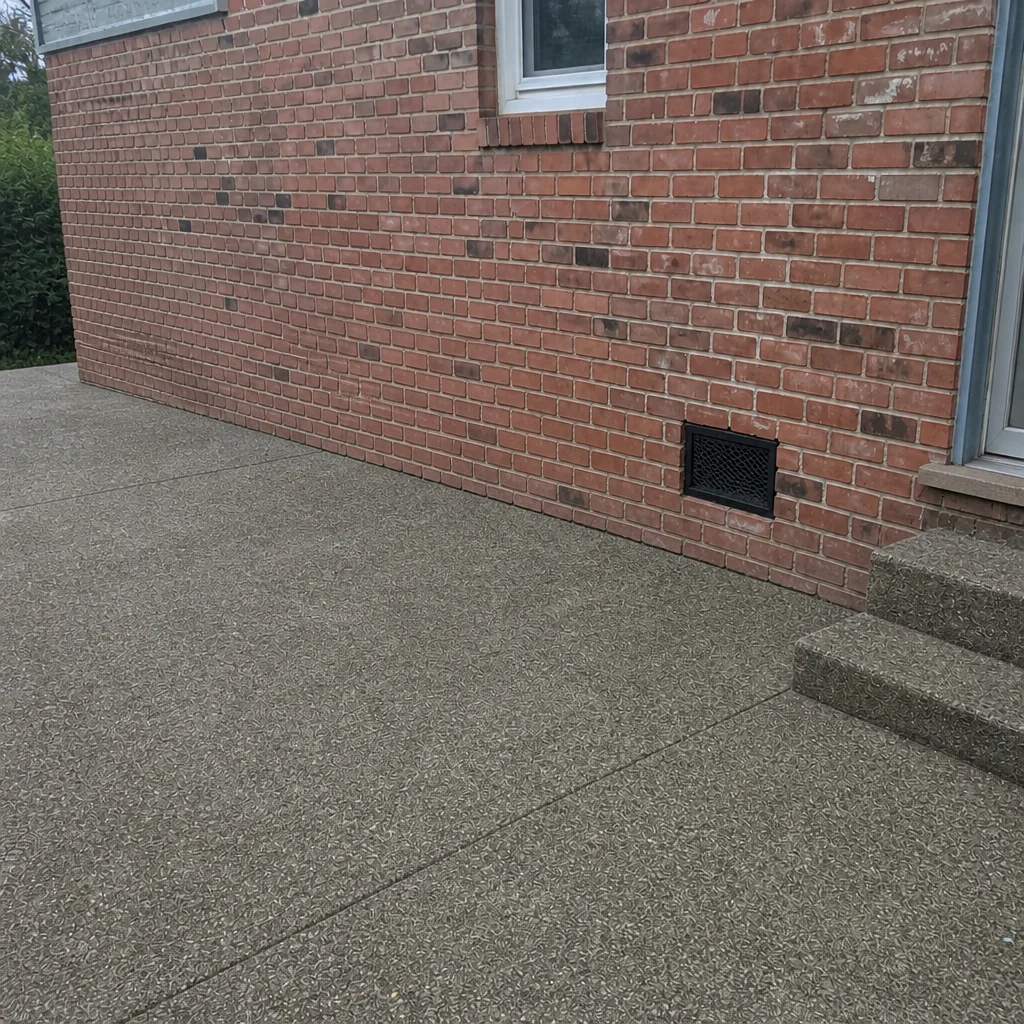 After
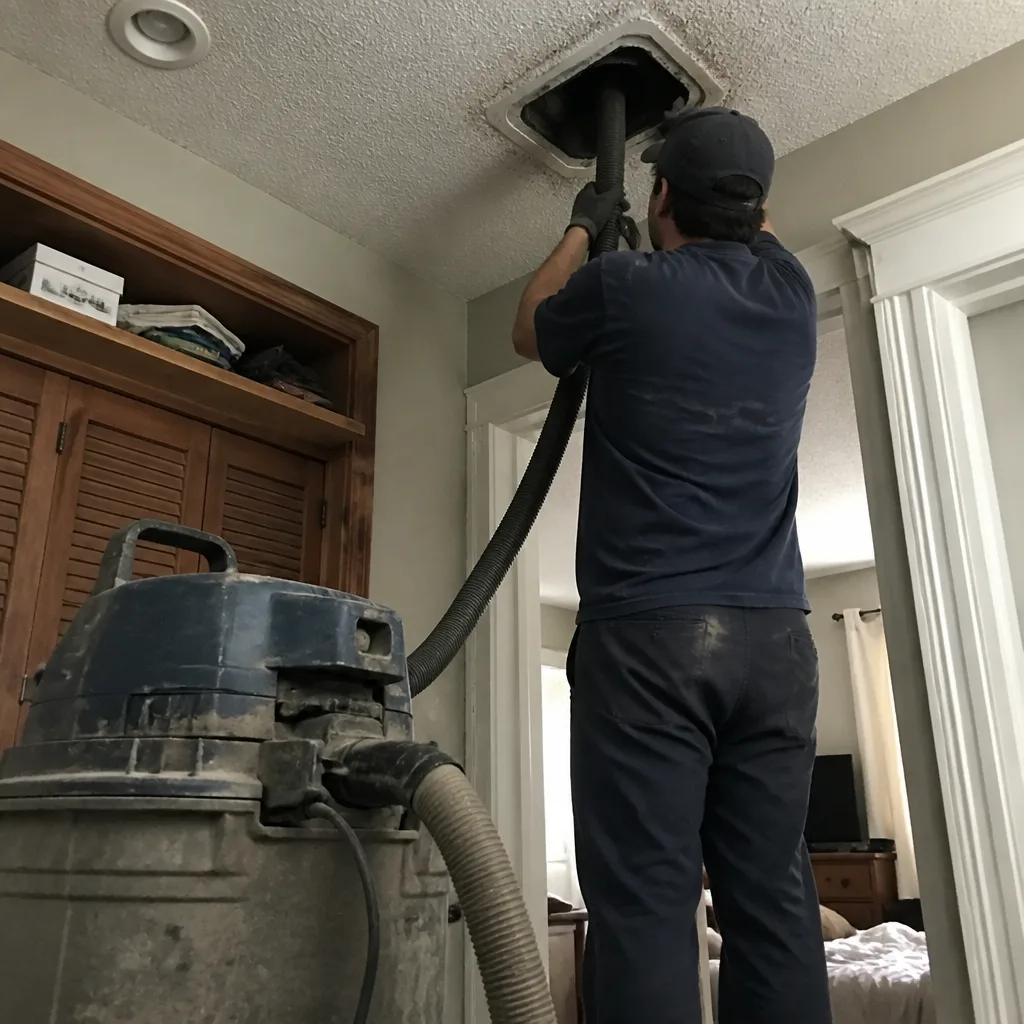 Before
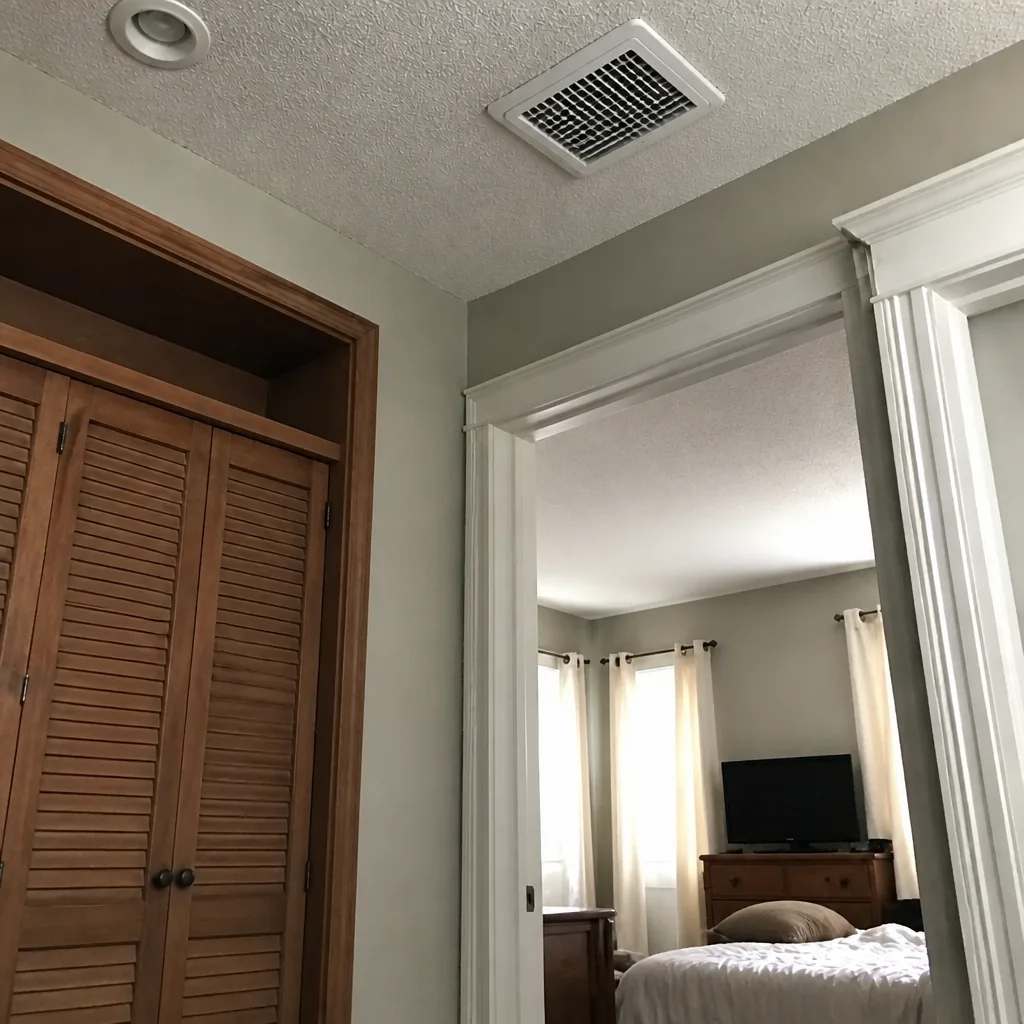 After
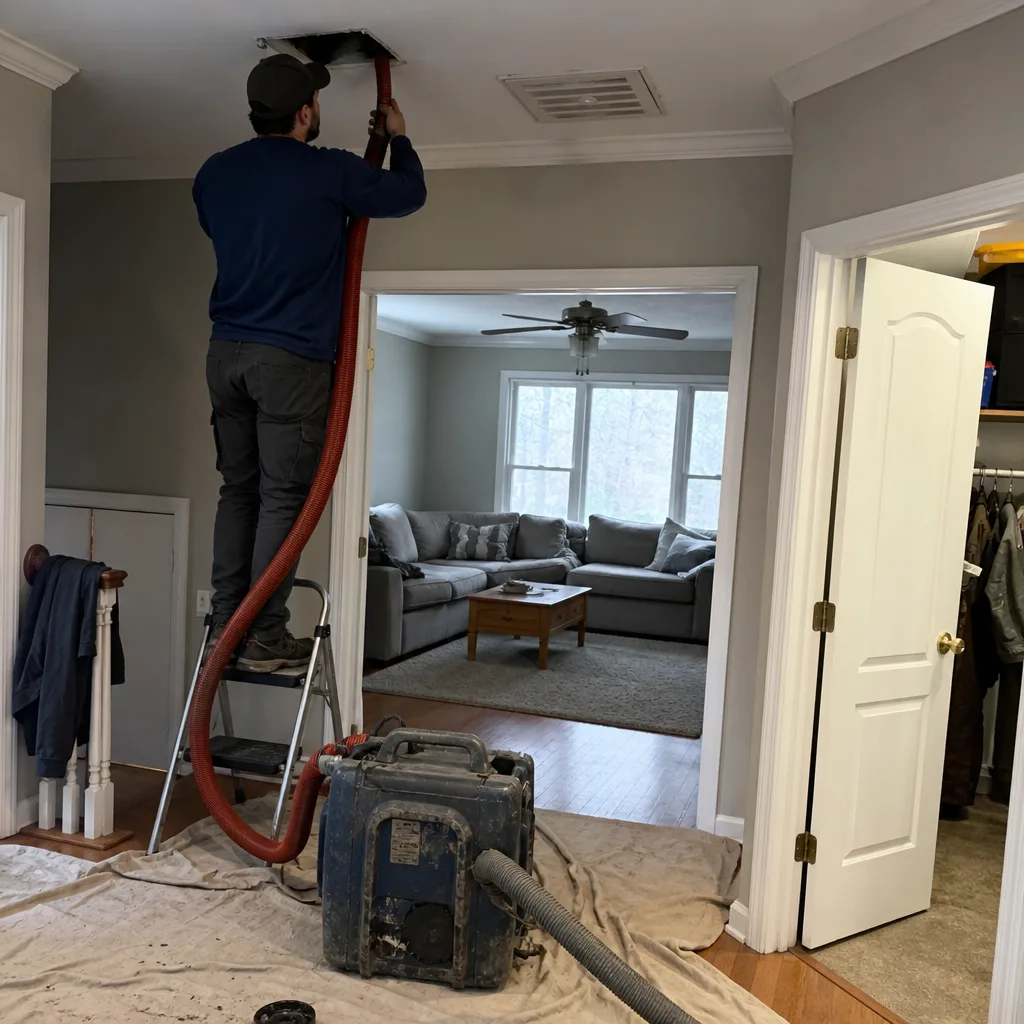 Before
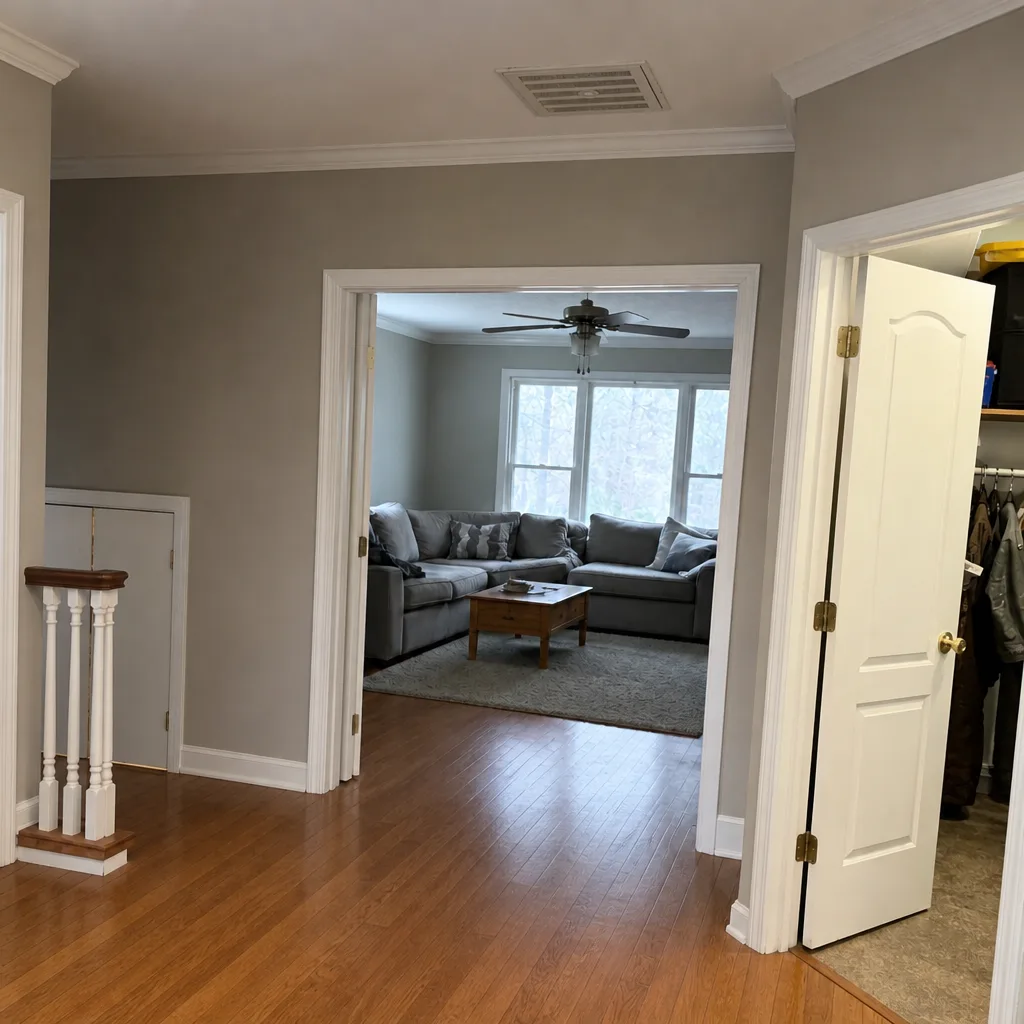 After
When to Call a Professional
Some duct problems are obvious from the kitchen. Others aren’t. Call a professional for a duct cleaning assessment in Knoxville if you’ve recently bought a home with unknown cleaning history, finished a renovation that filled the house with drywall dust, or noticed a persistent musty smell coming from a supply register. If someone in your household has been dealing with worsening allergy or asthma symptoms and there’s a visible layer of dust in the return vent, that’s worth an inspection. If a technician has been servicing your HVAC and mentioned degraded flex duct, seal failure, or visible debris, the system needs the same professional assessment. Air Duct Cleaning Knoxville Pros offers free estimates in Knoxville – call (844) 625-6998. We answer 24/7. Fast dispatch from 7am to 7pm, Sunday through Friday.
Frequently Asked Questions
Honest pricing depends on the number of systems, the condition of the ductwork, and the number of access points needed. Most homes need a whole-system quote based on an inspection, not a flat per-vent number. Any contractor who gives you a final number without inspecting the system first is guessing. Call (844) 625-6998 for a free estimate on your specific home – the written price after inspection is what sets the final cost.
Cheap quotes tend to leave things out: negative-air containment, HEPA filtration, access points, post-clean photos, and in some cases the return side entirely. What looks like a bargain on the phone often becomes a larger invoice once the technician is on site and “discovers” problems. The whole-system quote from a properly equipped operator is the honest comparison, and that’s what we provide. Call for a free estimate – (844) 625-6998.
Before-and-after photos of your own ductwork, taken by the crew, reviewed by you before they leave. That’s the standard. What does the interior of the duct actually look like before and after? What’s in the vacuum canister? Were the access points opened and properly sealed? A professional operation will show you all of it because the evidence is straightforward once the equipment is right. Call to schedule an assessment – (844) 625-6998.
Every two to three years is common for homes with pets or allergy concerns; longer intervals are reasonable for households with no pets, no smoking, and a well-maintained filtration system. What shifts the timeline: a renovation, a new pet, a new home purchase with unknown history, or a visible dust layer in the return. If any of those apply in your Knoxville home, it’s worth an inspection rather than a wait-and-see. Call for a free estimate – (844) 625-6998.
No. It tells you the company has committed to a standard; it doesn’t tell you the crew on your job follows it. Treat NADCA membership as one screen among several. Verify the equipment brand and CFM rating, the HEPA filtration, the access-point scope, and the insurance certificate. Those questions reveal more than any logo.
Equipment and scope. A dedicated indoor air quality contractor brings negative-air machines, rotary brush systems, and HEPA extraction – the same tools used in commercial work – as standard kit. A general HVAC company that offers cleaning as an add-on usually runs with whatever’s on the truck. If ductwork is the primary concern in your Knoxville home, the specialist is the more reliable choice. Call (844) 625-6998 for a free estimate.
The Bottom Line
Hiring a duct cleaning contractor in Knoxville is a screening exercise, not a price comparison. Ask about the negative-air machine brand and CFM rating. Ask where the vacuum ports go. Verify HEPA filtration on the vacuum and rotary brush system. Treat NADCA membership as a floor, not a ceiling. Insist on written scope, before-and-after photos, and a clear process for what happens when a crew finds contamination mid-job. Get whole-system pricing, not per-vent. Verify general liability and inland marine coverage with a certificate. Do that, and the bait-and-switch crowd self-selects out within the first two-minute call. Free estimates are available across Knoxville – call (844) 625-6998 to start yours. We answer 24/7, with fast dispatch from 7am to 7pm, Sunday through Friday.
Written by the team at Air Duct Cleaning Knoxville Pros.