
Last updated November 25, 2026
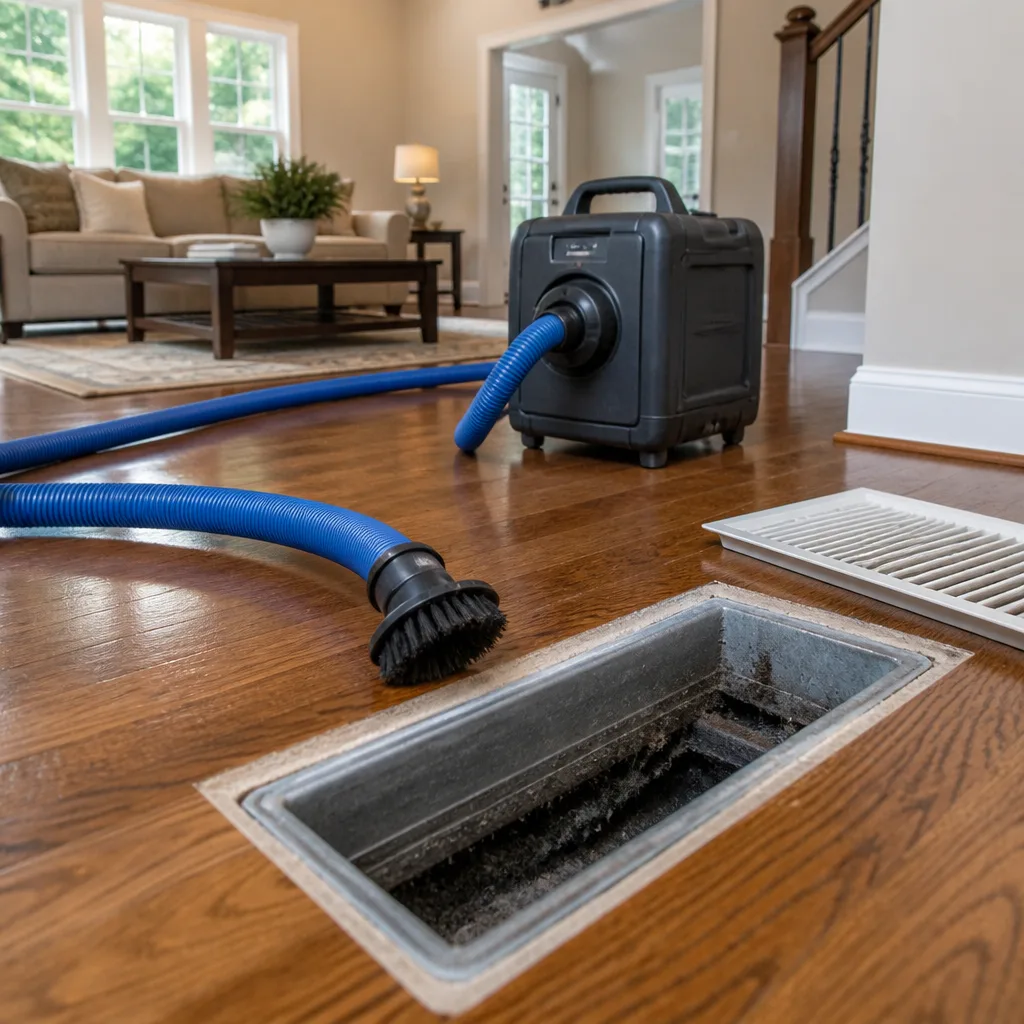 Whole-home duct cleaning
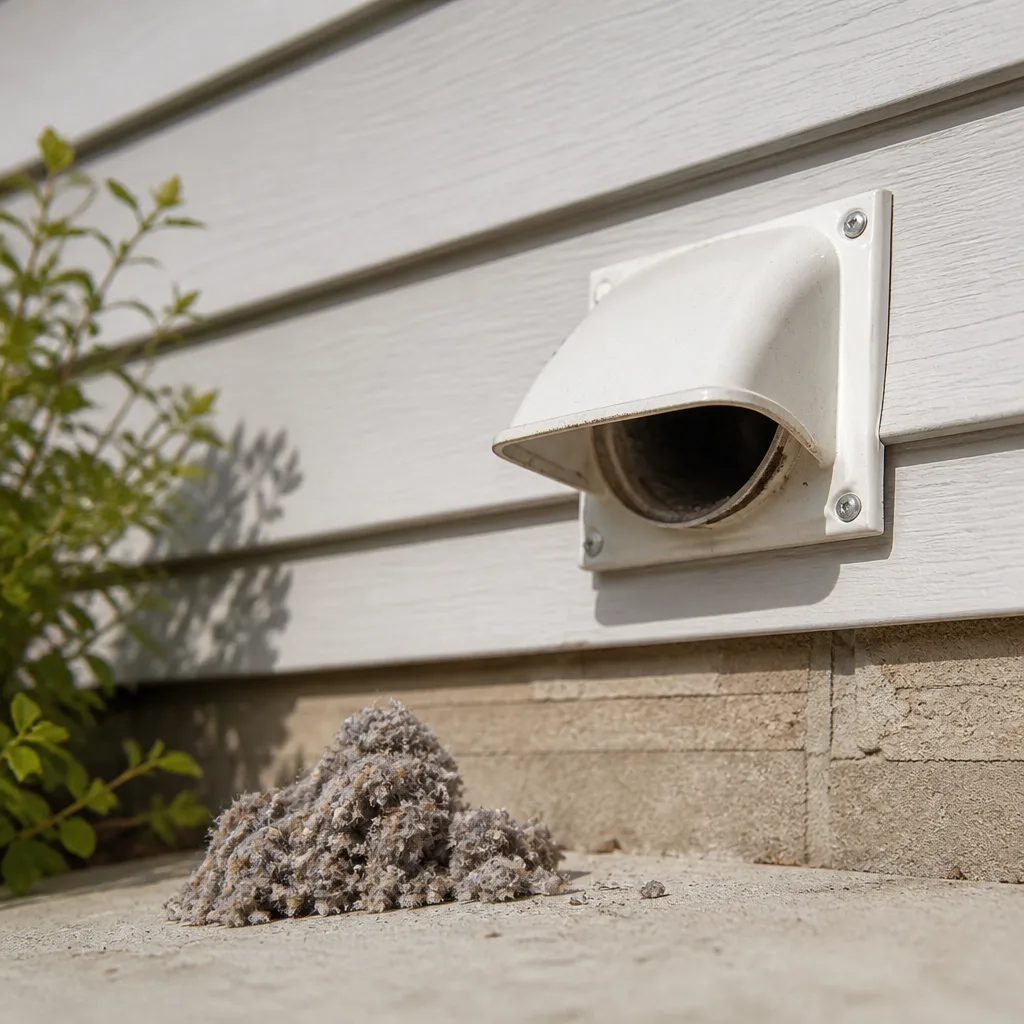 Dryer vent cleaning
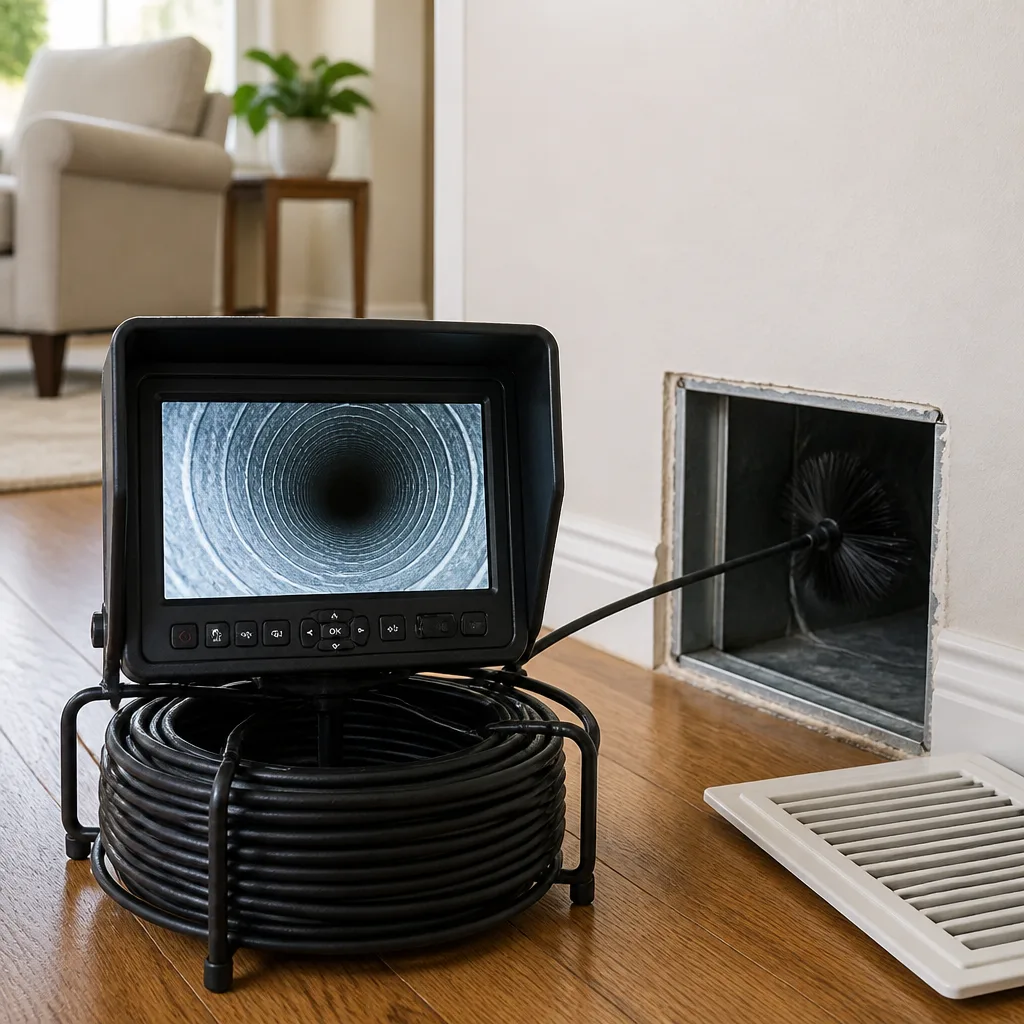 Camera inspection
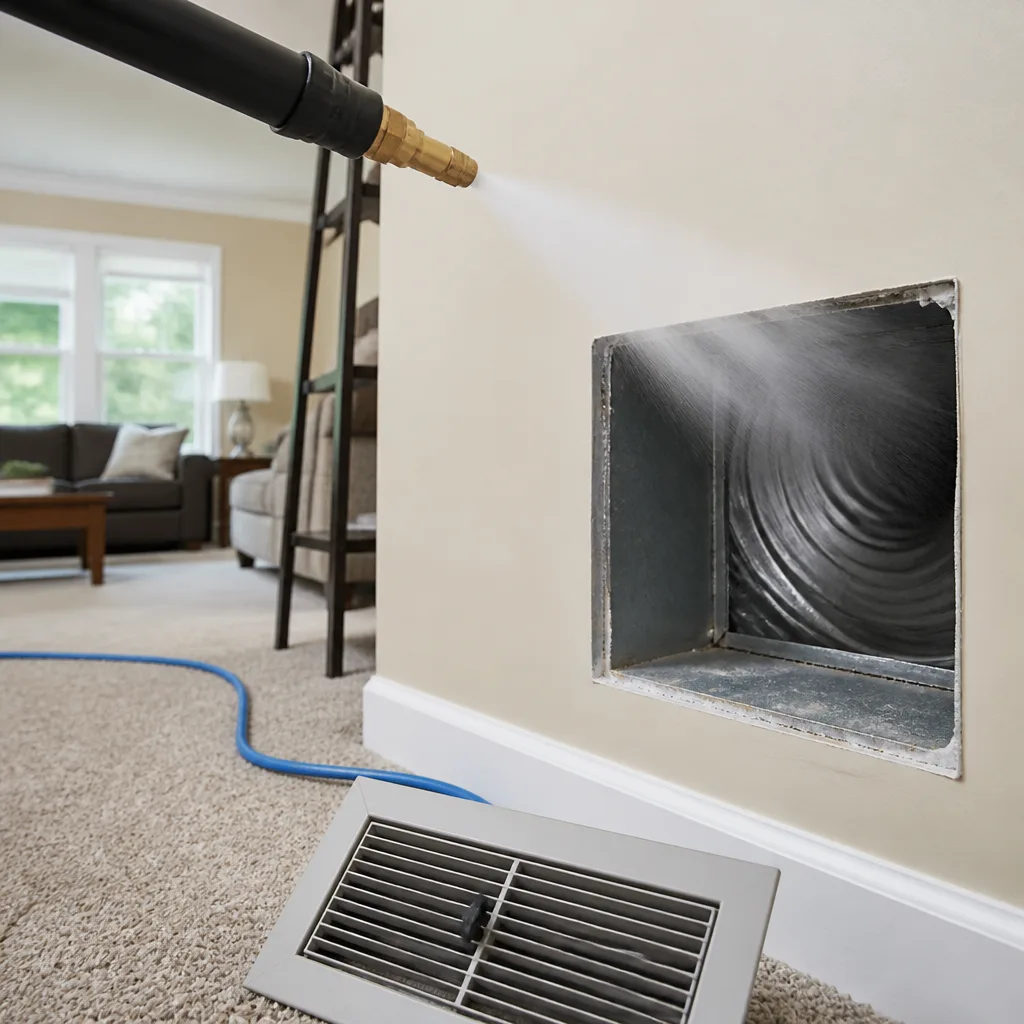 Sanitizing & deodorizing
Whole-system duct and dryer vent check with before-and-after photos - you see exactly what came out of your vents
That "$99 whole-house special" is a bait ad - the real number appears once they are in your hallway, or the "clean" is a shop-vac at the register. We photograph the inside of your ducts before and after instead.
Seasonal Air Duct Cleaning Care for Knoxville: Year-Round Homeowner’s Guide
Most seasonal duct cleaning advice you’ll find online assumes a house that sits idle for months at a time. Knoxville doesn’t work that way. Our systems here run cooling into October and heating into April, and the stretch in between is short. A house in Knoxville rarely gets a true off-season, which means the contamination timeline inside the ductwork looks different from the one described in most national guides. The question isn’t whether to clean once a year. It’s what each season is doing to your system and how to time the work around those windows.
This guide maps the year by what’s actually happening inside the air pathway: pollen in spring, humidity in summer, leaf debris in fall, and combustion byproducts in winter. You’ll learn the risk windows, the signs to watch for, and how to sequence a cleaning job so you get the longest stretch before recontamination. This is cornerstone content, so bookmark it and come back to it as the seasons turn.
Quick Answer
Seasonal air duct cleaning in Knoxville means scheduling service around four distinct contamination windows rather than once a year: spring pollen loading through return intakes (late March through May), summer humidity above 60% RH that feeds microbial growth on duct liner, fall leaf and debris infiltration through outdoor-adjacent returns, and winter combustion byproduct migration into return plenums. The best single slot for a deep cleaning is late fall, just before heating season begins, with a lighter pollen-flush in late spring. For a system that has not been cleaned in several years, a full service followed by duct sealing is the most effective starting point.
Styles & brands we work with
- Whole-home duct cleaning
- Dryer vent cleaning
- Camera inspection
- Sanitizing & deodorizing
Table of Contents
- Why Knoxville’s Climate Makes This Different
- Spring: The Pollen Window at Return Air Intakes
- Summer: Humidity, Duct Liner, and Microbial Risk
- Fall: Leaf Debris and Outdoor-Adjacent Returns
- Winter: Furnace Operation and Combustion Byproducts
- How to Sequence Cleaning Against Shoulder-Season Transitions
- What Professional Equipment Actually Does
- Signs Your Ducts Need Attention Now, Not Later
Why Knoxville’s Climate Makes This Different
Knoxville sits in a valley with four genuinely distinct seasons, and that’s the whole reason a single annual cleaning doesn’t map neatly onto the calendar here. Spring brings a heavy tree pollen load from the oak, pine, and maple canopy that surrounds much of the metro. Summer runs humid enough that interior humidity lingers. Fall drops leaves and fine debris. Winter pulls cold, dry air and runs the furnace for months.
The result is a system that’s almost always in active use. In a milder climate, a house might sit with the HVAC off for weeks, giving contaminants time to settle and dry. In Knoxville, the blower runs cooling well into fall and heating well into spring. That continuous airflow is what carries contaminants into the ductwork and keeps redistributing them through the living space.
There’s an important contrast with national guidance. Common advice says “clean your ducts every two to four years.” That interval assumes a certain climate profile. In Knoxville, we treat the cleaning as tied to what actually happened in the prior 12 months: how much pollen came in, how humid the summer ran, how much leaf litter accumulated near intakes. A homeowner in a mature tree neighborhood off Northshore Drive or in Sequoyah Hills has a different exposure profile than someone in a newer subdivision with fewer mature trees. The schedule should reflect that.
Understanding these windows is the foundation for everything that follows. Each section below looks at one season and what it does to your system.
Spring: The Pollen Window at Return Air Intakes
Late March through May is the highest-risk window for pollen infiltration in Knoxville, and it happens almost entirely at the return air intakes. As trees release pollen, that fine particulate gets pulled into the return grilles along with the conditioned air. From there it travels through the return ductwork, into the air handler, and then back out through the supply side.
Why returns? The return side operates under negative pressure relative to the room. Every gap, every poorly fitted filter frame, every unsealed return plenum joint is a place where outside air and pollen get drawn in. In tree-heavy neighborhoods, the pollen load in that air is substantial. Over a season, it can coat the interior of return ducts and load the filter far faster than in a low-tree area.
Here’s what we look for during the spring window:
- A filter that darkens or clogs early in the season, well before its rated change interval
- Visible pollen or fine yellow-green dust at return grilles
- Reduced airflow from supply registers despite a clean filter
- Allergy symptoms that pick up in spring and stay elevated even indoors
The practical spring strategy is not necessarily a full cleaning. It’s often a return-side inspection and a targeted cleaning of the return plenum and air handler area where pollen settles. Then, before the summer humidity arrives, you want to seal any gaps in the return system so the next season’s pollen load is reduced at the source. That’s part of the broader air duct cleaning scope we handle. Duct sealing done alongside cleaning prevents the reentry of the same contaminants you just removed.
Spring is also the right time to check the filter setup itself. A properly sized, well-fitted filter matters more in a heavy pollen year than any single cleaning visit. If your filter frame has gaps around the edges, pollen bypasses the filter entirely and enters the ductwork unfiltered.
Summer: Humidity, Duct Liner, and Microbial Risk
Summer humidity is the quiet risk in Knoxville duct systems. Knoxville summers routinely sit above 60% relative humidity, and inside an air-conditioned duct system, that number can climb even higher. Above roughly 60% RH inside the ductwork, conditions favor microbial colonization, particularly on duct liner surfaces.
The mechanism is straightforward. An air conditioner cools the air moving through the system, and cool air holds less moisture. But the cooling coil and the interior surfaces downstream of it can stay damp between cycles. If the system runs short cycles, or if there’s a fan setting that keeps air moving without adequate dehumidification, that moisture lingers. Duct liner, the fibrous acoustic and thermal lining inside many older duct systems, holds that moisture and gives microbial growth a foothold.
The summer indicators worth watching:
- A musty or damp odor when the system first comes on, or lingers after it shuts off
- Visible condensation at duct joints or on duct surfaces (worse with unsealed ducts)
- Higher indoor humidity than the setting on your thermostat would suggest
- Recurring allergy-type symptoms through the hottest months
What we look at here is the total air pathway, not just the ducts. We assess surface conditions, check the coil and drain pan area for standing moisture, and evaluate whether the duct liner has been compromised. When moisture-driven growth is present, a mechanical cleaning with HEPA extraction removes the material, and air quality sanitizing addresses the surfaces. That sanitizing is a standard service option in our lineup, not an add-on invented at the end of the visit.
Humidity control products from brands like Aprilaire and HVAC cleaning services are worth discussing together, because cleaning without addressing the moisture source means the same conditions rebuild. A whole-home dehumidifier or a properly configured system isn’t a duct cleaning product, but it changes the durability of the cleaning. That’s the kind of advisory role we take seriously.
Fall: Leaf Debris and Outdoor-Adjacent Returns
Fall is when Knoxville’s leaf load becomes a duct problem in a particular type of home. Older ranch-style homes, many of them in neighborhoods across East and South Knoxville, often have return air pathways that draw from or pass near outdoor-adjacent spaces: crawlspace-adjacent returns, returns near garage walls, or systems where the return plenum shares a wall with the exterior. Leaf litter, fine grit, and debris that accumulates on the outside of those areas can find its way into the return system through cracks and unsealed penetrations.
This isn’t a dramatic intrusion. It’s a slow accumulation. A small gap between a return duct and the exterior wall lets fine leaf dust and pests of debris filter through on pressure changes. Over a season, that material settles in the return ductwork and collects at the air handler.
Fall is also the season that follows the pollen push, so the return system is already loaded. Here’s how we approach a fall assessment:
- Inspect return plenums for gaps, cracks, or penetrations that connect to unconditioned or outdoor space.
- Check the air handler cabinet and filter slot for accumulated debris and leaf dust.
- Look at the return grille and immediate duct run for signs of fine particulate.
- Assess whether duct sealing is needed in the same visit to close the source.
Fall is also a sensible time to address the dryer vent cleaning side of the air pathway. Lint accumulation and leaf debris are both fire-fuel concerns, and the fall is when a lot of homeowners think about their dryer as part of the seasonal checklist. Running both in the same service window keeps the full air pathway clean heading into heating season.
In our experience, fall is the most effective single season to do a full cleaning, because the ducts are then clean going into the months that get a lot of blower hours. More on that in the sequencing section.
Winter: Furnace Operation and Combustion Byproducts
Winter brings a less obvious contamination source: combustion byproducts pulled into the return plenum through draft pressure differentials. This is specific to gas furnace operation, which is common across Knoxville and much of East Tennessee.
Here’s how it happens. A furnace draws combustion air, burns gas, and vents exhaust. In tight or older homes, the pressure balance can shift when the furnace runs. That negative pressure can pull combustion gases, including carbon monoxide and carbon, back into the living space or into the return air pathways rather than up the flue. Return plenums that sit in the same mechanical space as the furnace are the classic point of entry for this migration.
This is a genuine safety topic, not an air quality convenience. Carbon monoxide is odorless and dangerous. If you smell combustion odors when the furnace runs, or if you notice soot or carbon deposits near the furnace or on return grilles, that’s a sign to involve a qualified HVAC or combustion safety professional now. Duct cleaning is not the fix for a combustion backdraft problem, and it shouldn’t be treated as one. Addressing the pressure and venting issue comes first; cleaning can follow.
Winter is also when the furnace runs with high airflow and higher temperatures, and dry, heated air is more efficient at moving fine particulate. If the ducts held residual debris from fall, winter is when that debris gets distributed across the living space.
What we recommend for winter:
- Confirm carbon monoxide detectors are present and current.
- Keep the filter changed on a tighter schedule during heavy furnace use.
- Watch for soot, carbon smells, or unusual grime at return grilles.
- If you notice those signs, get the combustion and pressure side checked before cleaning.
Once the safety issues are addressed, a clean, sealed, and sanitized system heading into winter keeps heated-air distribution from carrying that residual load into your rooms.
How to Sequence Cleaning Against Shoulder-Season Transitions
Sequencing is where most homeowners leave value on the table. The goal is to do the cleaning when the system is between seasonal surges, so you get the longest clean window before the next contamination event. Here’s how we map that:
- Late fall cleaning (the strongest single slot in Knoxville): Clean after the leaf load, before heavy furnace use. You head into winter with clean ducts, and the next big contaminant push is spring pollen. That gives you a roughly five-month clean window.
- Late spring pollen flush (the second slot): A return-side inspection and targeted cleaning after the pollen peak, before summer humidity. This clears the spring load so moisture-driven growth doesn’t have organic material to colonize in summer.
- Summer: Keep humidity in check, inspect for musty odors, address moisture. Cleaning here is warranted if you smell or see growth, but time it after the humidity management is in place.
- Sealing after cleaning: Duct sealing in the same visit closes the entry points that let pollen and debris back in. Cleaned ducts stay cleaner when the system is sealed.
For a homeowner who’s never had a cleaning, the smart sequence is a full cleaning and inspection first, sealing second, and a targeted return-side review at the next shoulder season. For a household with an acutely ill occupant, a recent renovation, or a new-home purchase, clean immediately regardless of season and then build the seasonal review around it.
The point is that the cleaning is not an annual checkbox. It’s tied to the season, the home’s exposure, and the system’s condition. Our technicians have up to 10 years of experience reading those signals, and that’s where the sequencing decision gets made.
What Professional Equipment Actually Does
Duct cleaning is a process-driven, equipment-dependent service. Two systems cleaned by different crews with different tools produce different results. The difference is in extraction and containment.
Rotobrush rotary brush systems work the interior of duct runs with rotating brushes and simultaneous HEPA extraction. The brush agitates material loose; the vacuum captures it before it spreads. Nikro HEPA-filtered equipment provides the high-filtration vacuum power that traps dislodged particulate rather than recirculating it into your home. Abatement Technologies negative-air equipment creates a pressure differential that contains and captures debris during the cleaning, the same general method used in commercial and remediation work.
What you should know as a homeowner:
- The name of the equipment tells you the level of the operation. A shop vacuum and a HEPA extraction system are not interchangeable.
- Containment matters as much as agitation. If the debris isn’t captured, it ends up in the air you’re breathing.
- Cleaning should address the full air pathway: supply ducts, return ducts, the air handler, and where relevant, the dryer vent.
We also work with Honeywell and Aprilaire IAQ products at the assessment level, which means when we recommend filtration or humidity control alongside the cleaning, it’s grounded in how those systems perform. Photos of before-and-after conditions let you see what was removed, so the work is verifiable rather than assumed. Our team at Air Duct Cleaning Knoxville Pros names the tools because the tools explain the outcome.
Signs Your Ducts Need Attention Now, Not Later
The seasonal schedule is the baseline. These signals override it:
- Unexplained allergy or asthma symptoms indoors, especially through spring or summer, that don’t resolve with other changes
- Visible dust on vents, grilles, or a dark film forming quickly after cleaning
- Musty or damp odors coming from registers during or after HVAC cycles
- A recent renovation, where drywall dust and debris entered the system, or a new home purchase where the prior cleaning history is unknown
- Pest activity signs in or near ductwork, including droppings or nesting material
- Airflow problems that persist despite clean filters, often pointing to duct leakage or blockage
- Dryer lint concerns, where the dryer vent has not been cleared and the drying cycle is running long
In Knoxville’s climate, several of these signals track the seasons directly. Spring allergy flare-ups, summer musty odors, and fall debris accumulation are predictable enough that they make the seasonal review worthwhile rather than waiting for a problem to become obvious.
Common Mistakes to Avoid
- Cleaning only the supply side. The return side carries the heaviest pollen and debris load. A cleaning that skips the return plenum leaves the majority of the contaminate in place and redistributes it on the first strong cycle.
- Skipping duct sealing after cleaning. Unsealed ducts let the same outdoor air back in. Cleaning without sealing is a temporary fix in a Knoxville home with significant return leakage, and the interval before recontamination is short.
- Relying on shop-vac-level equipment. Portable vacuums recirculate fine particulate rather than capturing it. The difference between HEPA extraction and a shop vacuum is the difference between clean ducts and a dust event.
- Treating a musty smell with cleaning alone. Odor in humid months points to moisture. Clean and then address humidity, or the growth returns. Cleaning the ducts without managing humidity above 60% RH is solving half the problem.
- Ignoring combustion safety. If you see soot or smell furnace exhaust, cleaning is not the solution. Get the draft pressure and venting checked first, then clean.
- Cleaning on a rigid annual calendar instead of the seasonal windows. A home in a heavy-pollen tree neighborhood and a newer home with few mature trees are on different schedules. Match the cleaning to the exposure.
- Forgetting the dryer vent. Lint and leaf debris in the dryer vent is a fire-fuel concern. The air pathway includes it, and a duct-only cleaner often skips it.
See the difference
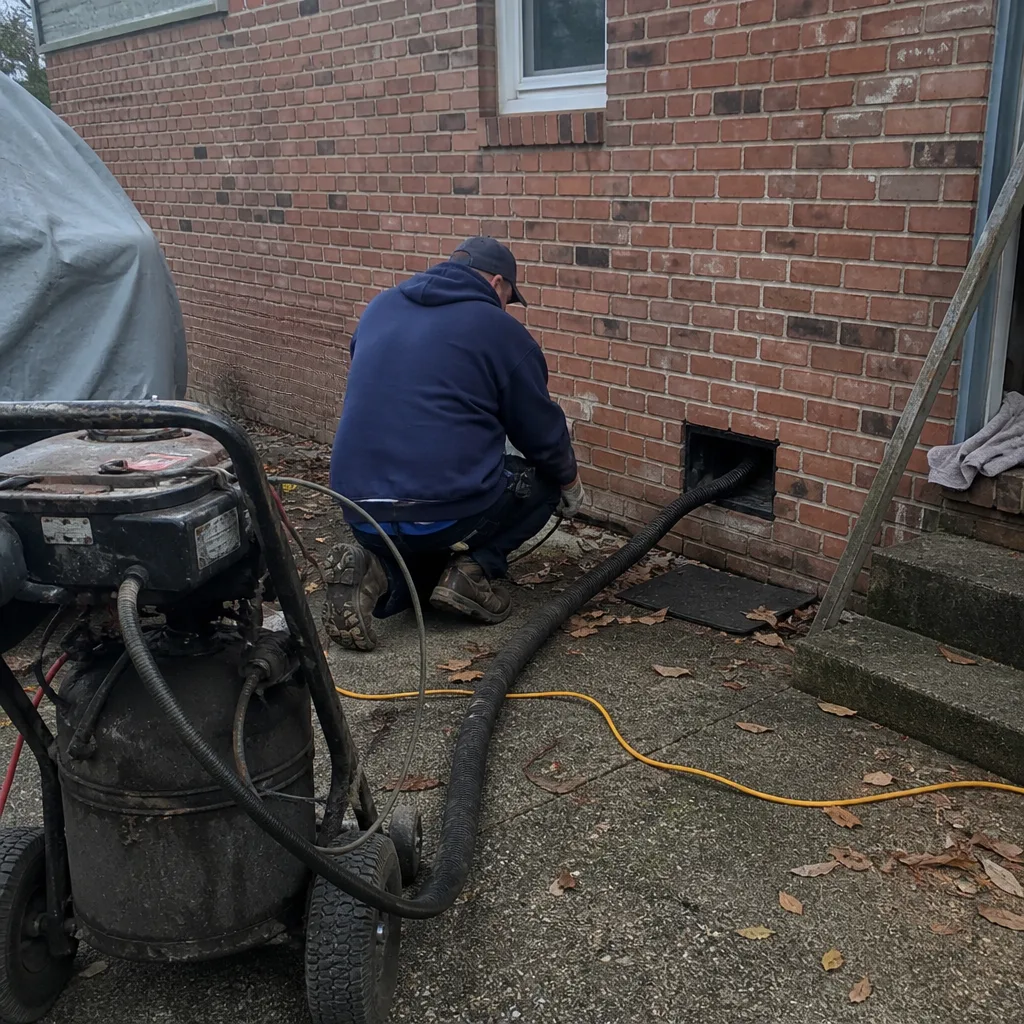 Before
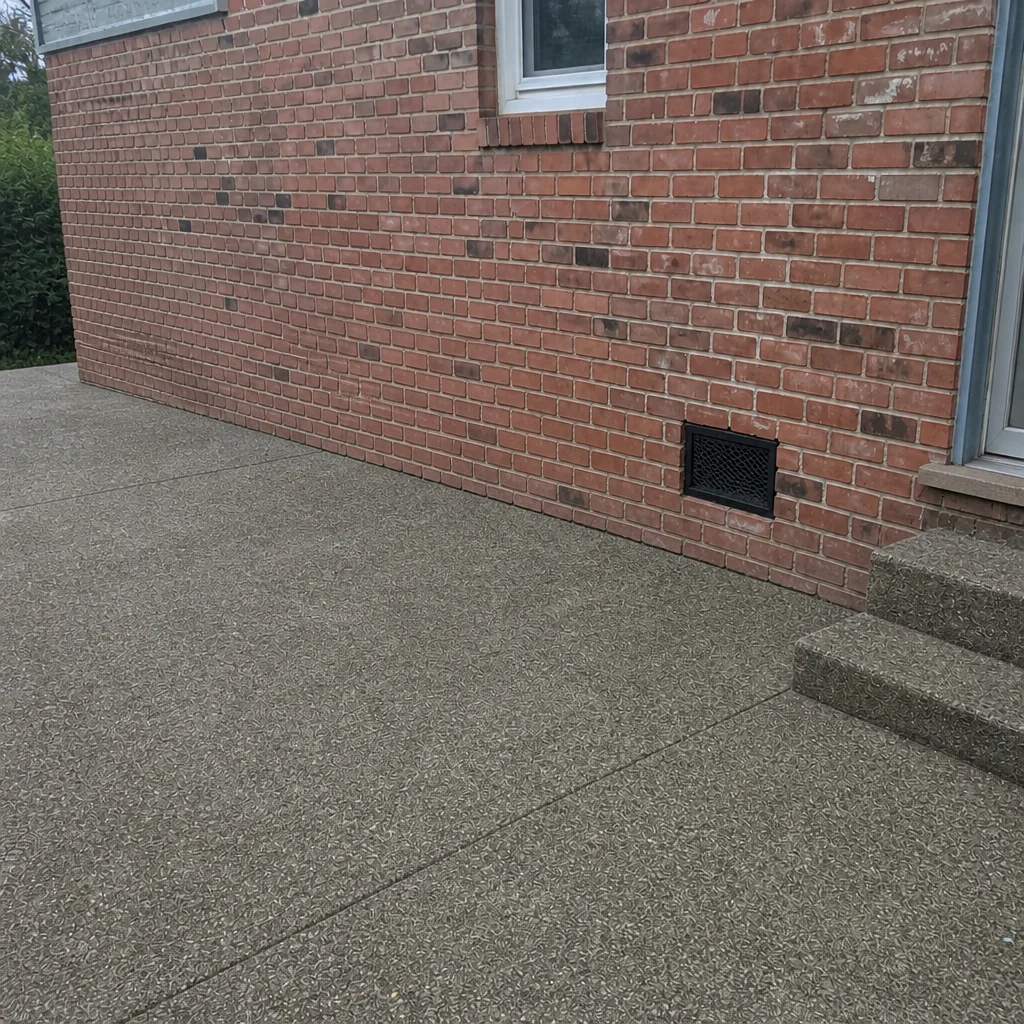 After
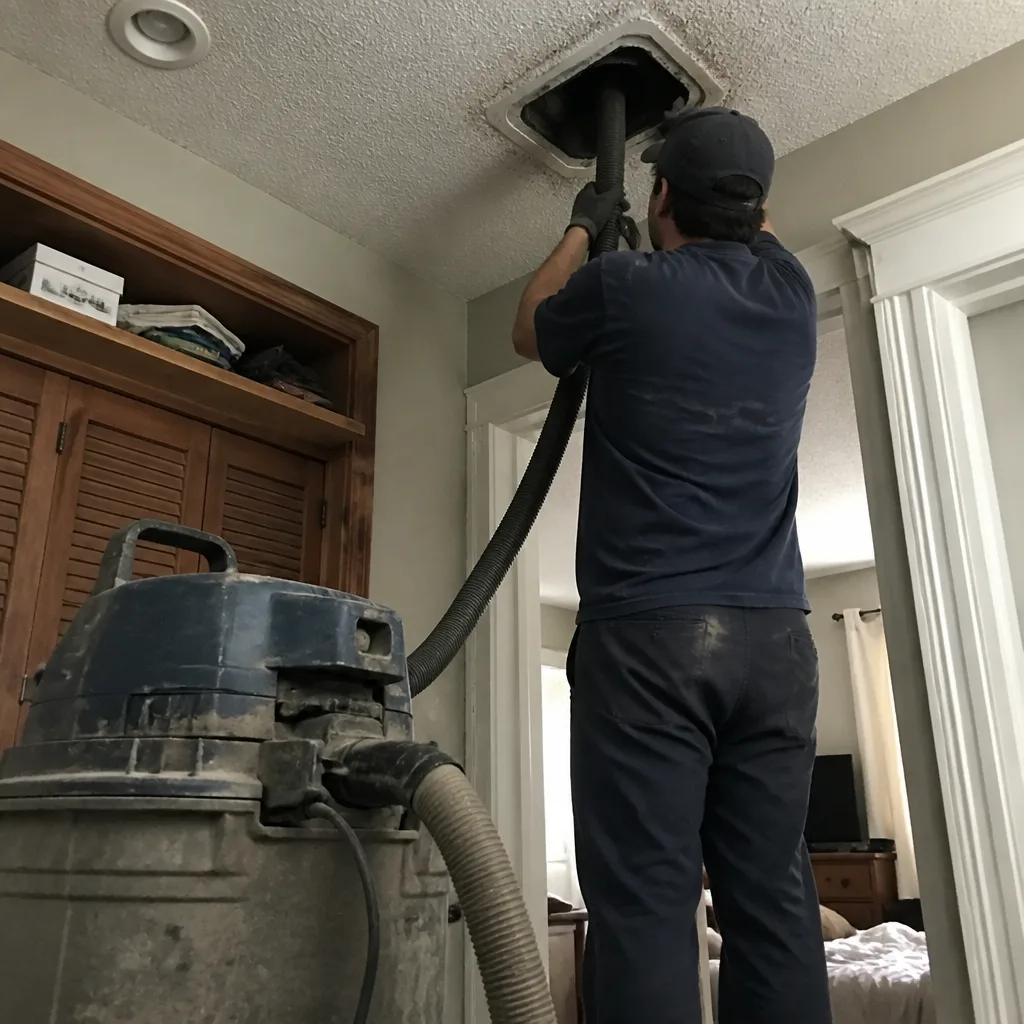 Before
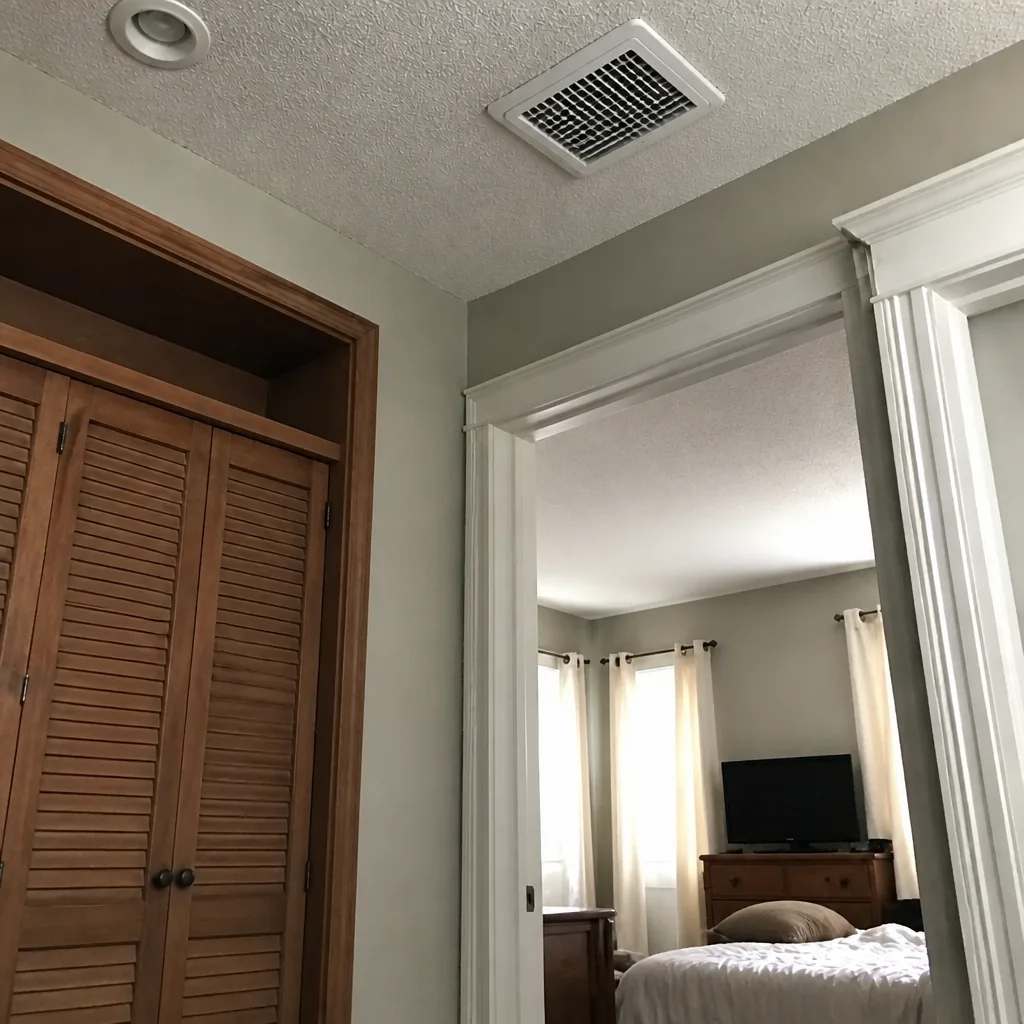 After
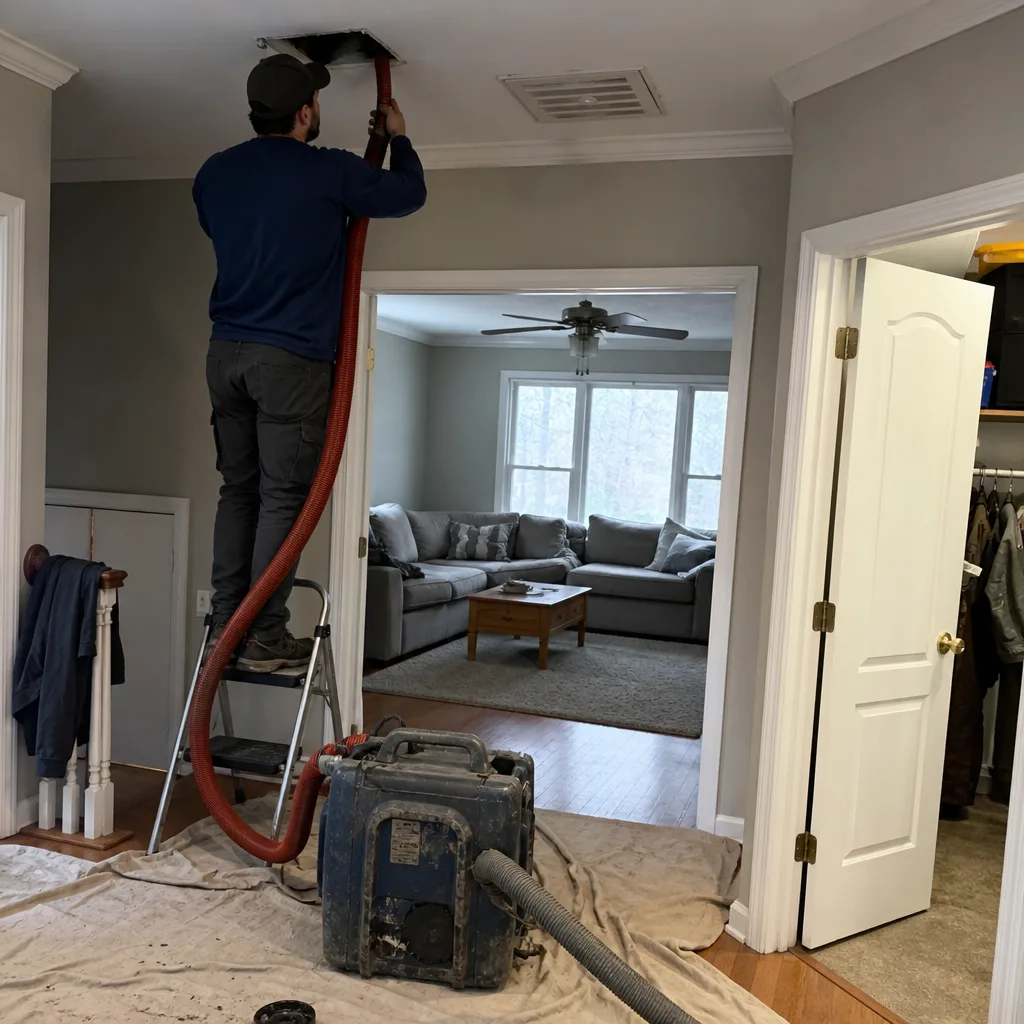 Before
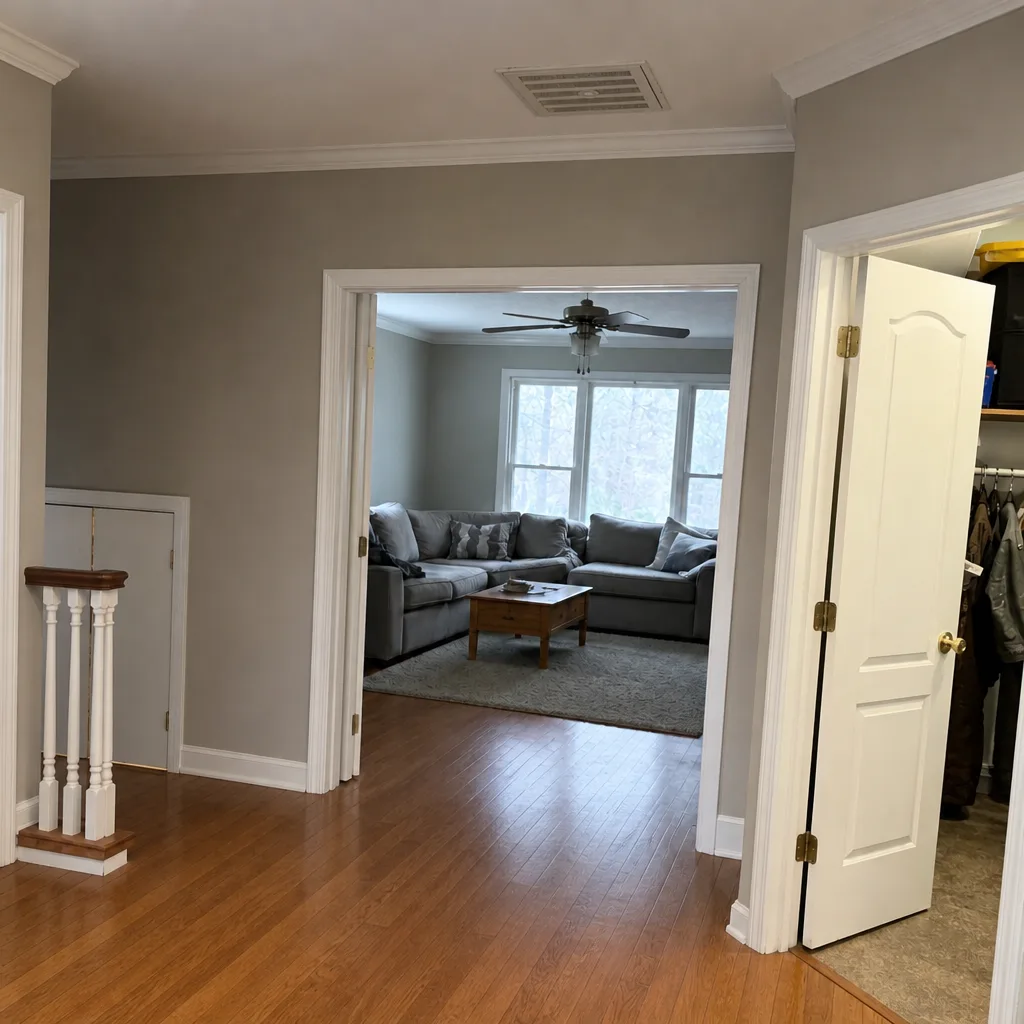 After
When to Call a Professional
Some situations call for professional help regardless of the calendar. Call when you have persistent allergy or respiratory symptoms that don’t resolve, visible dust or debris at registers, a musty or damp odor tied to the HVAC system, a recent renovation or a newly purchased home with unknown history, or clear signs of pest activity. If you have combustion smells or soot near the furnace, treat that as a safety issue and contact a qualified professional immediately before doing anything else.
For a full assessment, Air Duct Cleaning Knoxville Pros offers free estimates in Knoxville – call (844) 625-6998. We answer 24/7. Fast dispatch from 7am to 7pm, Sunday through Friday.
Frequently Asked Questions
Most Knoxville homes benefit from a full cleaning every two to four years, with a targeted return-side review each spring. Season matters because the contamination windows are distinct: spring pollen, summer humidity, fall debris, winter furnace operation. A cleaning timed to late fall and a spring pollen flush gives the longest clean windows. Call (844) 625-6998 for an exact quote – estimates are free.
Musty odor in summer usually points to moisture above roughly 60% relative humidity inside the duct system, which can support microbial growth on duct liner. Cleaning removes the organic material, and humidity management prevents it from rebuilding. Call (844) 625-6998 for an assessment – estimates are free.
Late fall is the strongest single slot in Knoxville because it clears leaf debris and puts you into heating season clean, and spring pollen is the next big window. Late spring is the second-best slot, targeting the return side after the pollen peak. Call (844) 625-6998 and we’ll help you pick the right window for your home.
Cleaning removes accumulated pollen, debris, and particulate from the ductwork, which reduces the material that gets redistributed into your living space. It’s one part of a fuller indoor air quality approach that may include filtration assessment and humidity control. Call (844) 625-6998 to discuss your situation – estimates are free.
Ask what extraction equipment the crew uses. HEPA-filtered extraction, rotary brush systems for agitation, and negative-air containment equipment produce verifiable results. A crew that can’t name the tools is worth questioning. Call (844) 625-6998 to go over what our process includes.
It can be, if draft pressure differentials pull combustion byproducts into the return plenum. That’s a combustion safety topic that comes before cleaning. If you notice furnace odors or soot, get the venting and pressure side checked first. Call (844) 625-6998 to book an assessment.
The Bottom Line
Knoxville’s four real seasons create four real contamination windows in your duct system, and the right approach is to manage each one rather than rely on a single annual cleaning. Spring pollen loads the returns, summer humidity feeds growth on duct liner, fall debris infiltrates through outdoor-adjacent returns, and winter furnace operation can pull combustion byproducts into the return plenum. Late fall is the strongest full-cleaning slot; late spring targets the pollen push. Sequence cleaning with sealing, manage humidity above 60% RH, and treat combustion smells as a safety matter. That’s how you keep the air pathway clean year-round.
Call Air Duct Cleaning Knoxville Pros at (844) 625-6998 for a free estimate. We answer 24/7. Fast dispatch from 7am to 7pm, Sunday through Friday.
Written by the team at Air Duct Cleaning Knoxville Pros.