
Last updated November 25, 2026
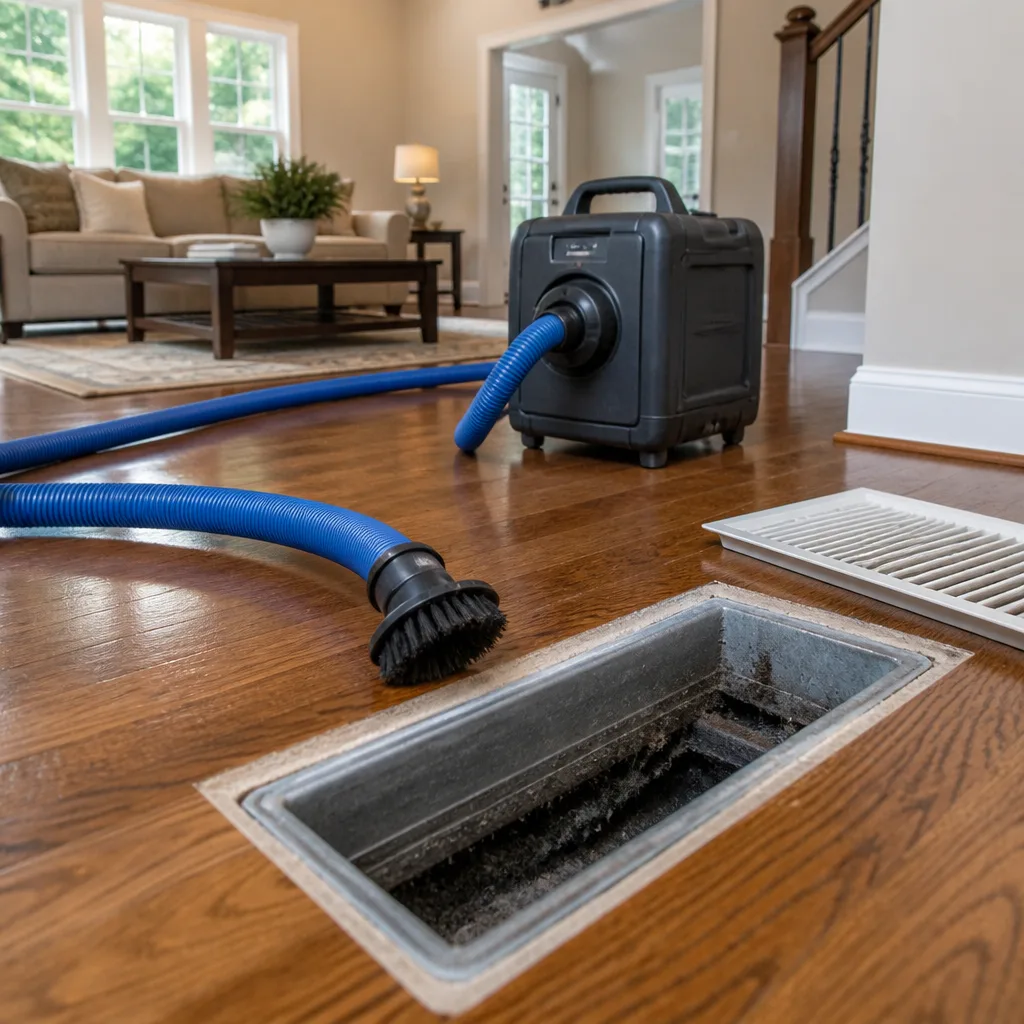 Whole-home duct cleaning
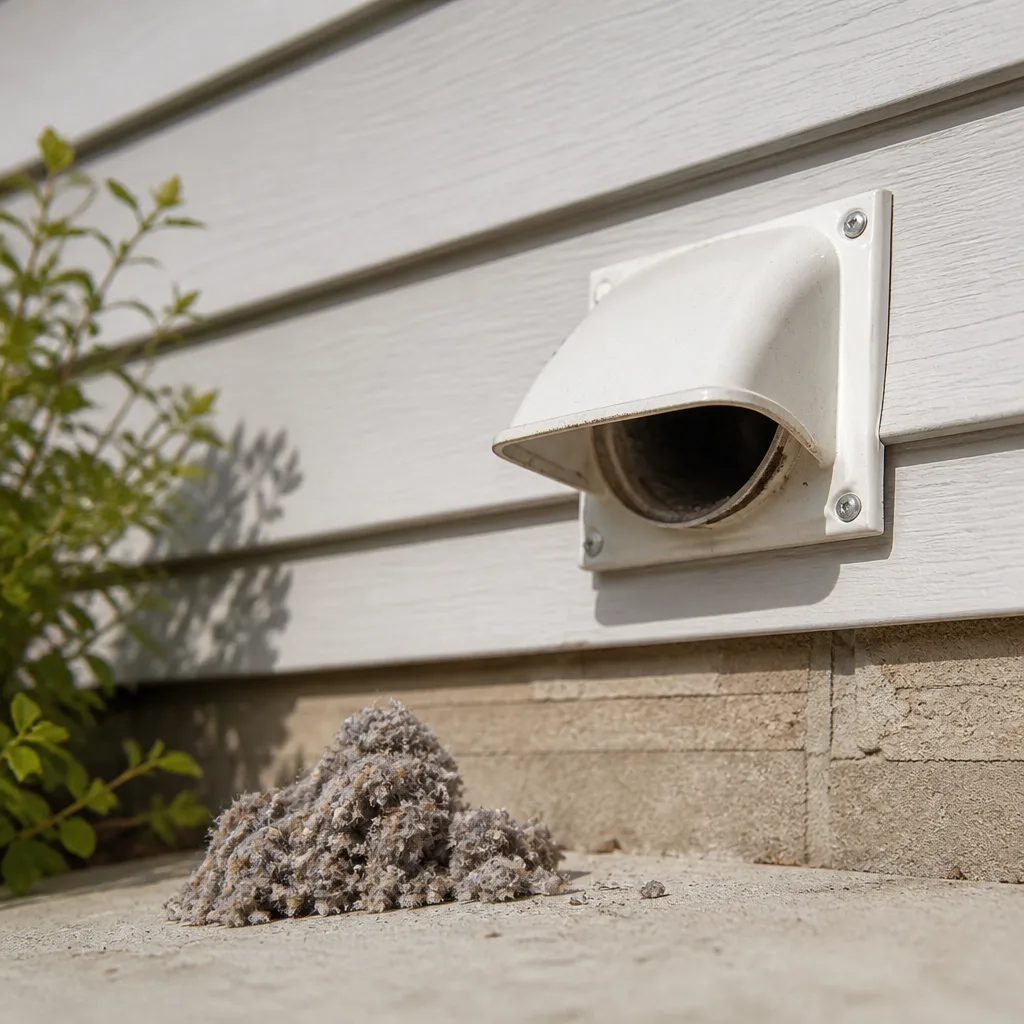 Dryer vent cleaning
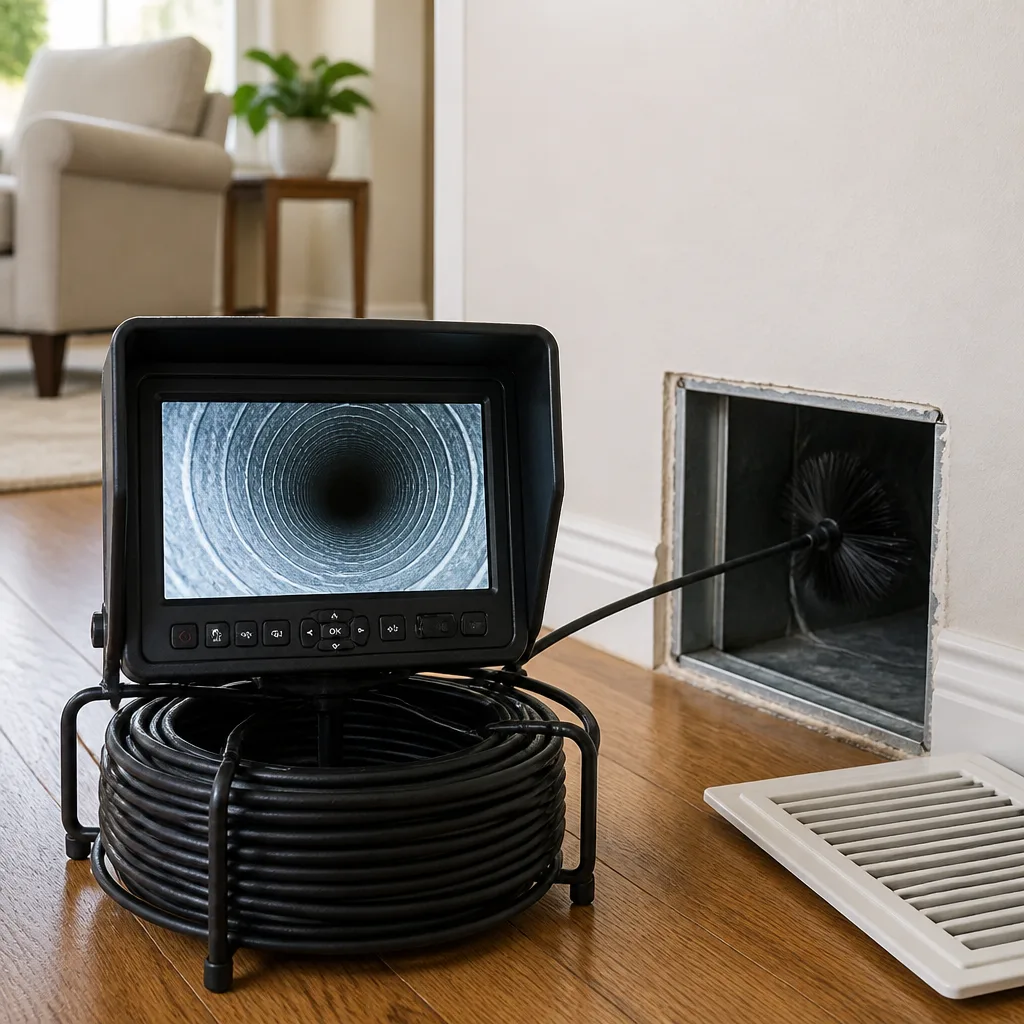 Camera inspection
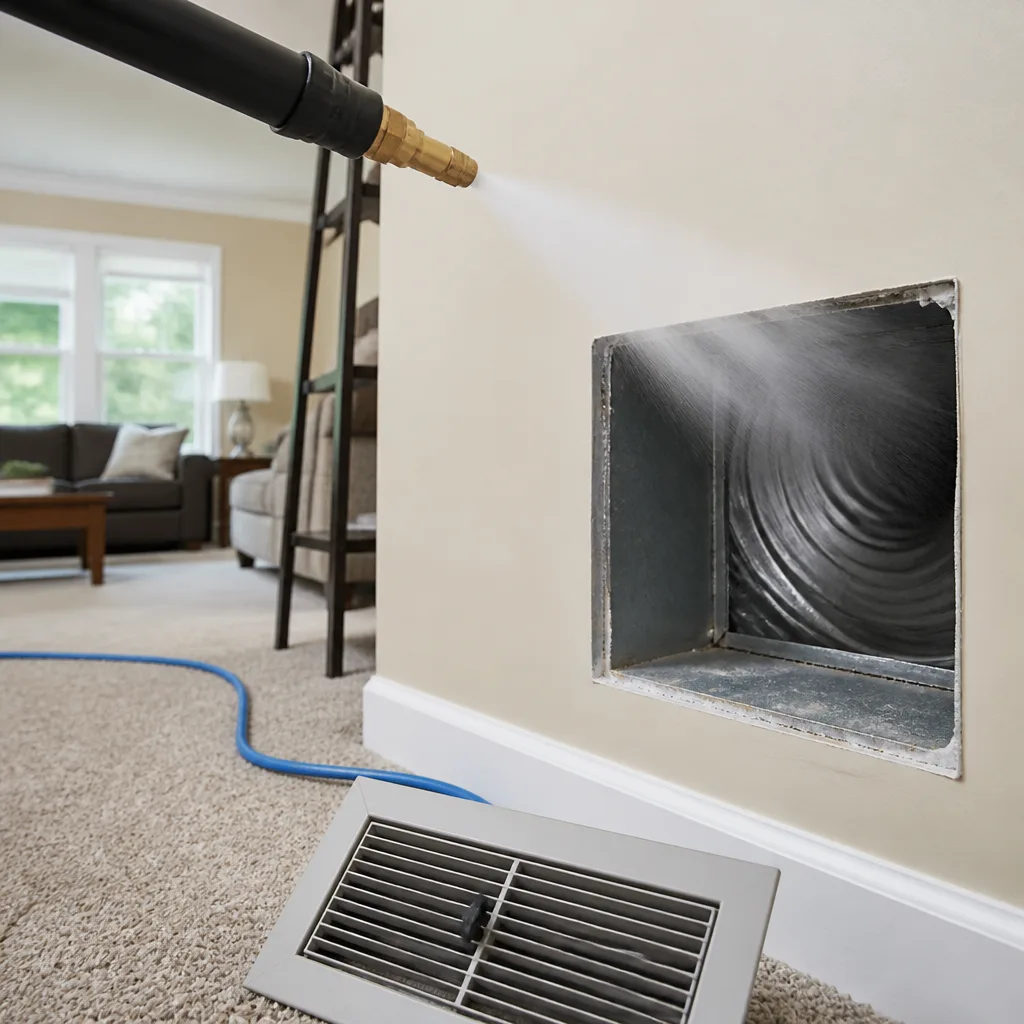 Sanitizing & deodorizing
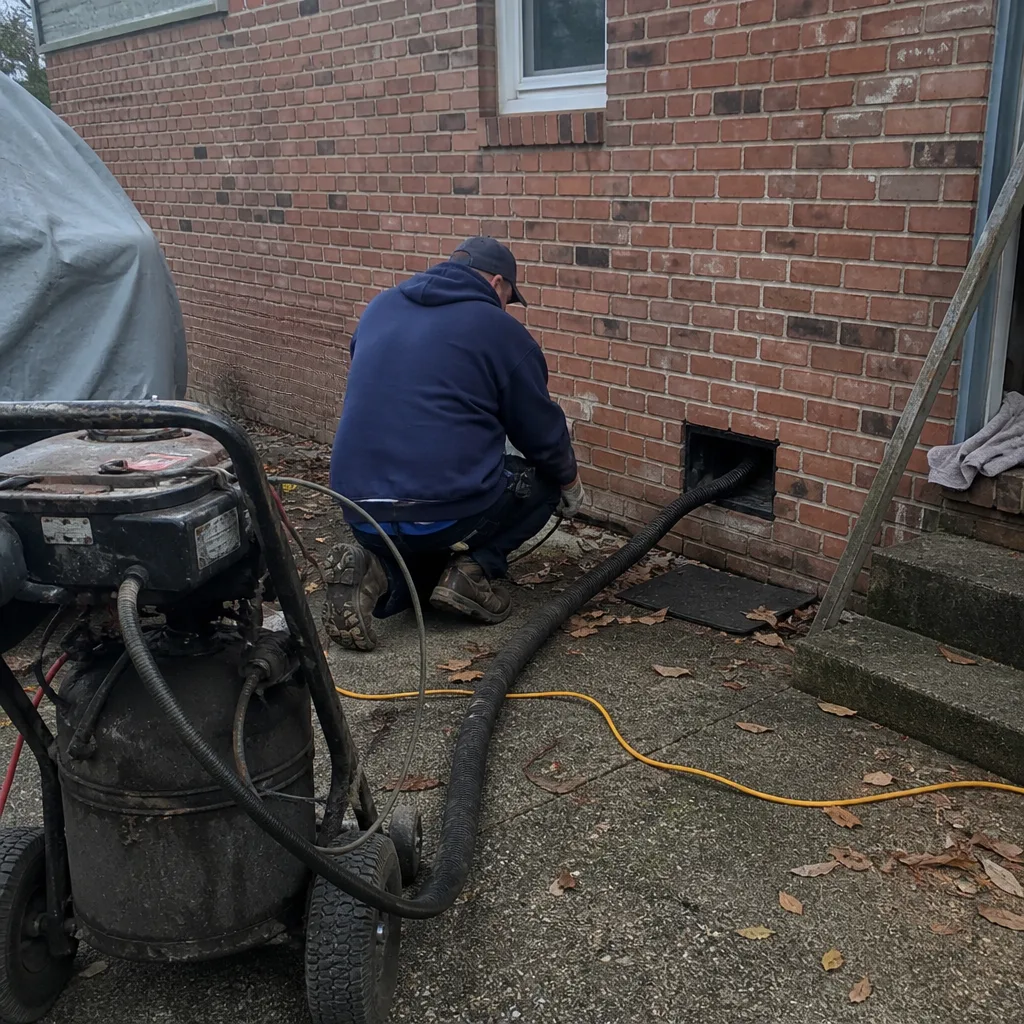
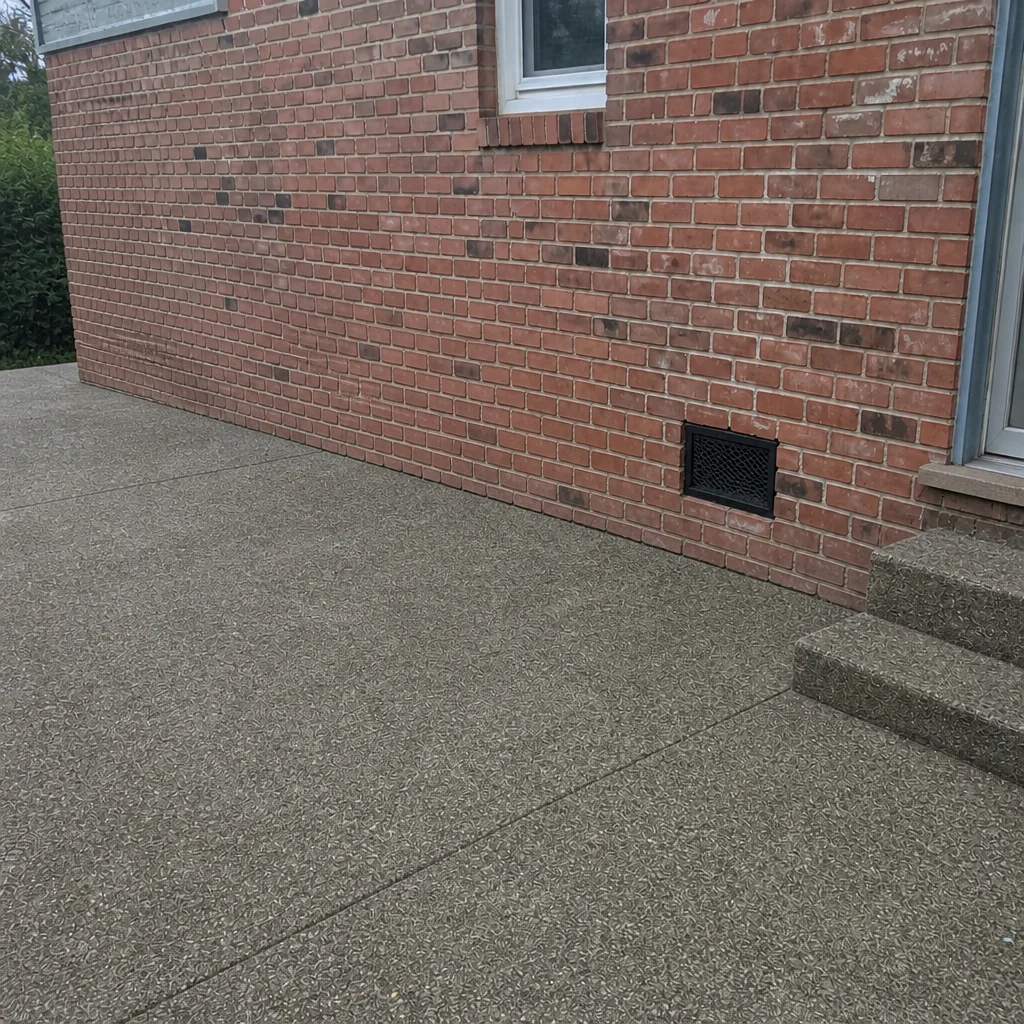
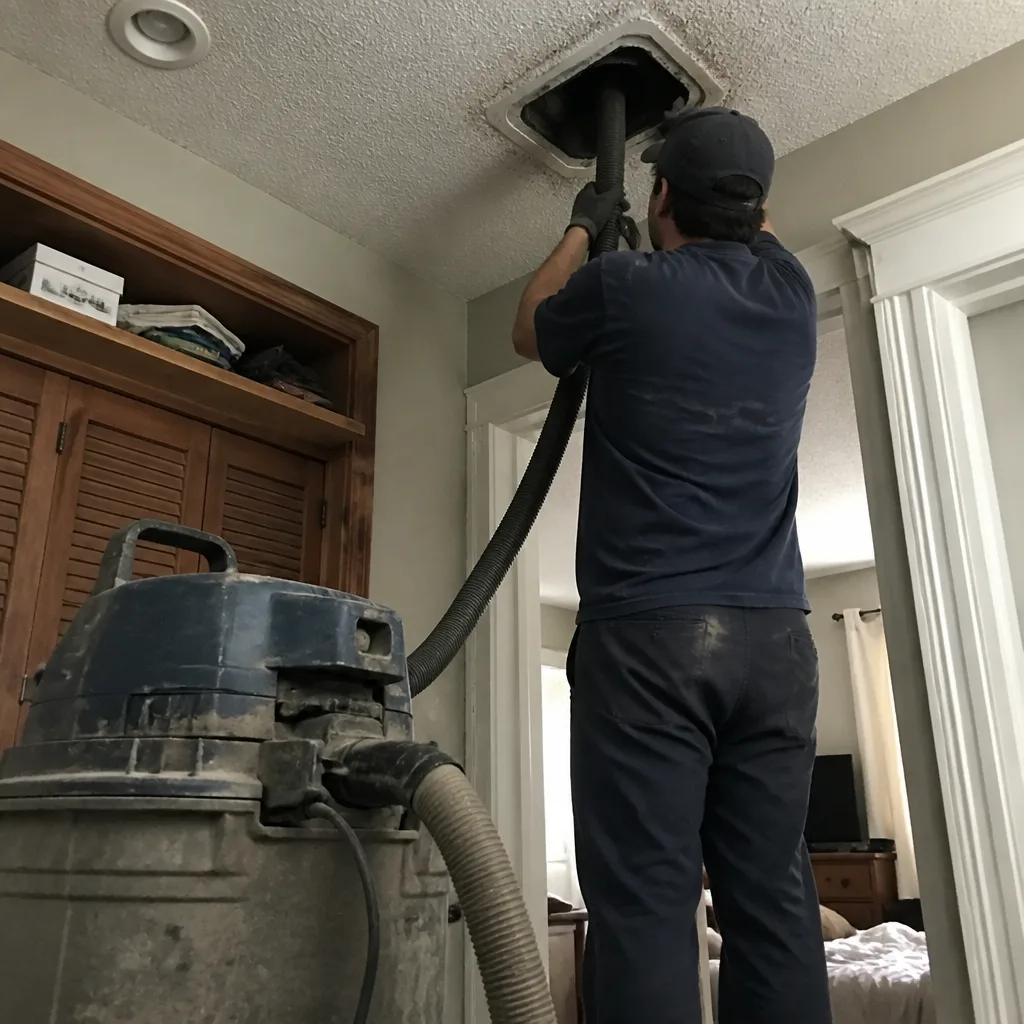
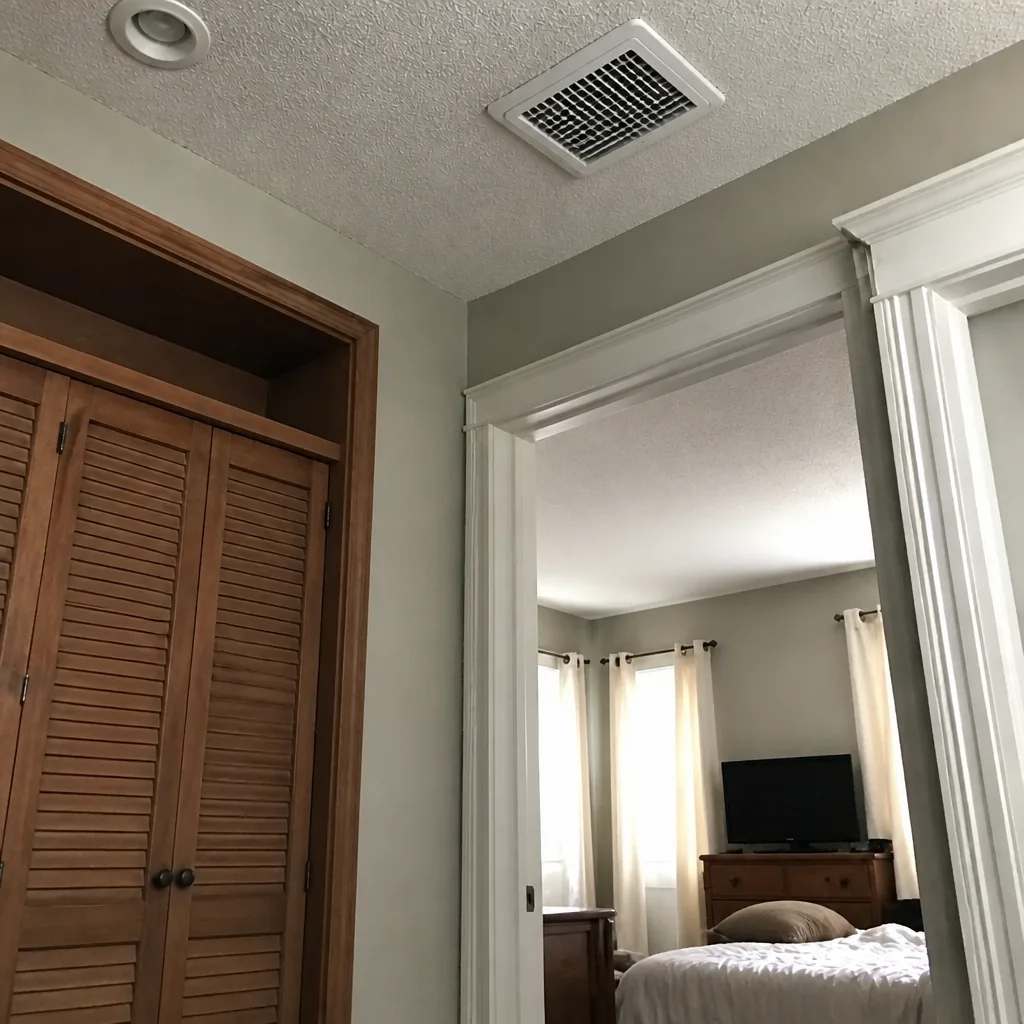
Whole-system duct and dryer vent check with before-and-after photos - you see exactly what came out of your vents
That "$99 whole-house special" is a bait ad - the real number appears once they are in your hallway, or the "clean" is a shop-vac at the register. We photograph the inside of your ducts before and after instead.
Air Duct Cleaning Maintenance Checklist for Knoxville Homeowners
Most air duct maintenance advice floating around the internet assumes you live somewhere dry, dusty, and flat. Knoxville isn’t that place. We’re sitting in a humid bowl at the edge of the Southern Appalachians, where spring pollen loads are heavy enough to coat a windshield overnight and summer humidity keeps the air thick from June through September. That means a calendar-based cleaning schedule – “every three to five years, no matter what” – doesn’t fit how ducts actually behave here. What works better is a monitoring protocol: a set of observable checkpoints you look at through the year, so you act when conditions actually shift rather than guessing. This guide gives you those checkpoints, register by register and season by season.
Quick Answer
A workable air duct maintenance checklist for a Knoxville home means checking every supply and return register once a season for dust patterns, odors, and visible buildup; logging filter loading rate every month as a proxy for how fast contamination is accumulating; running a stricter post-renovation inspection within 72 hours of drywall work; and calling a professional when you see or smell something a filter change won’t fix. Most Knoxville homes don’t need duct cleaning on a fixed clock – they need it when the evidence says so.
Styles & brands we work with
- Whole-home duct cleaning
- Dryer vent cleaning
- Camera inspection
- Sanitizing & deodorizing
Table of Contents
- Why Knoxville’s Climate Changes the Checklist
- The Seasonal Register Check: What to Look For Each Quarter
- Tracking Filter Loading Rate as a Contamination Gauge
- Post-Renovation: The 72-Hour Containment Window
- Documenting Your Baseline With a Phone Camera
- When a Maintenance Check Crosses Into Professional Territory
- The Full Air Pathway: Ducts, HVAC, Dryer Vent
- Common Mistakes to Avoid
Why Knoxville’s Climate Changes the Checklist
Knoxville sits in a valley that traps pollen and holds humidity. Spring brings a heavy load of tree and grass pollen that finds its way into return-air paths, and summer keeps indoor relative humidity high enough that dust in ducts becomes slightly tacky rather than loose and free-flowing. That difference matters because sticky dust clings to duct walls instead of riding the airstream to your filter. A homeowner in Phoenix can rely on “filters catch most of it.” Here, more of it deposits along the way.
The other factor is the housing stock. Knoxville has a large share of older homes with original sheet-metal ductwork, and metal seams, joints, and boots that were never sealed well leak air into crawlspaces and attics. A leaky return duct in a humid Knoxville crawlspace pulls damp air – and whatever’s growing in that damp – straight into the living space. That doesn’t happen on a schedule. It happens based on how tight the system is and how wet the season has been.
So instead of asking “how often should I clean my ducts in Knoxville?”, the better question is “what am I looking at each season, and what does it tell me?” That’s the shift this checklist asks you to make. It’s less work than an annual cleaning and it catches problems sooner than a five-year calendar reminder. If you want the foundational explanation of what professional cleaning involves, our air duct cleaning page covers equipment and process in detail.
The Seasonal Register Check: What to Look For Each Quarter
Once per season, walk your home and look at every supply register and return grille. It takes about fifteen minutes. What you’re looking for is change – a register that looks different from three months ago is telling you something. What follows is the seasonal pattern we look for in Knoxville homes, adjusted for how the local climate loads the system.
Spring (roughly March through May)
This is pollen season in East Tennessee and the heaviest loading period for most Knoxville homes. Look for fine, pale-yellow dust clinging to the register fins, and pay attention to any gritty film on nearby furniture or windowsills. If your filter is loading up faster than usual, spring is usually why. Sniff the return grille – a faint mustiness at the start of cooling season can mean the coil area is holding moisture.
Summer (June through September)
Humidity is the story. Check for condensation on register faces or nearby ceiling, which points to a duct or insulation problem, not just dirt. Dust here tends to look darker and slightly clumped because it’s sticking to damp surfaces. A musty smell in summer is more significant than the same smell in winter, and it usually means something in the air path is staying wet.
Fall (October through November)
Transition season. The system flips from cooling to heating, and the first heating cycle often blows loose a season’s worth of settled dust – you may notice a burnt-dust smell for a day, which is normal. If it lingers, or if you see a burst of debris at the registers on first heat, note it. Fall is also the right time to check return grilles for accumulated pet hair, and Knoxville has plenty of pet-owning households where this is the limiting factor.
Winter (December through February)
Dry air, closed windows, and longer run times. Look for static-charged dust on register faces and check for any gaps at the boot where the duct meets the floor or wall – a cold draft at a register in winter often means an unsealed joint, not a weak furnace. This is the season to confirm your return path isn’t pulling from a crawlspace or attic.
Photograph anything that changes. More on that below.
Tracking Filter Loading Rate as a Contamination Gauge
Your filter is the best free sensor your system has. It captures what’s moving through the return, and how fast it loads tells you how much contamination is in the airstream. A filter that normally lasts three months and suddenly clogs in four weeks is telling you something changed upstream – a renovation, a duct leak pulling dirt in, a season of heavy pollen, or a failing seal at the filter slot itself. Tracking the rate is more useful than tracking the interval.
How to track it in three steps
- Mark the install date on the filter frame with a pencil. Every month, look at the filter under bright light and note how far the gray band has crept across the media. Jot the percentage on a calendar or in your phone.
- Record the filter’s rated life against your observation. A filter rated for 90 days that’s visibly loaded at 45 days is loading at roughly twice the expected rate. That gap is your signal.
- Change the filter, then watch the next one. If the second filter loads at the same accelerated rate, the load isn’t seasonal – it’s coming from the system or the house, and it’s time for a closer look.
Two things to avoid. Don’t run a filter past its loading point “to save a few dollars” – a clogged filter restricts airflow and can push your blower to work harder than it should. And don’t drop in a high-MERV filter your system wasn’t designed for; many Knoxville homes have older air handlers that can’t move enough air through a dense filter, and the pressure drop does more harm than the extra filtration helps. Match the filter to the system, not to the box with the highest number on it.
The filter-rate data also tells you something about the ducts themselves. A system that loads filters fast but has clean-looking registers may have loose debris sitting in the trunk line that only moves at high demand – a condition a professional inspection can confirm with a camera and airflow measurement. Professional-grade equipment makes that visible: Rotobrush rotary brushing pulls material off duct walls, and Nikro HEPA extraction captures it without blowing it into the room.
Post-Renovation: The 72-Hour Containment Window
Drywall dust is the most aggressive contaminant a home HVAC system sees. It’s extremely fine, it’s abrasive, and it behaves differently than ordinary house dust: it stays airborne longer, it settles slowly into horizontal duct runs, and it cakes onto blower wheels and coils. In a Knoxville renovation, the critical window is the first 72 hours. Drywall sanding dust that gets pulled into the return before the system runs a full cycle can deposit across the entire supply side and take professional cleaning to dislodge.
What to do before and during a renovation
- Seal the return grilles in the work zone with builder’s plastic and tape before demo starts. If the renovation is in a room with a return, this is the single most effective step.
- Run the system as little as possible during sanding and cutting. Each cycle moves dust deeper into the system.
- Change the filter at the end of each workday and photograph it. Filter color is your record of what the system saw.
- Within 72 hours of final sanding, do a full register-by-register inspection. Look for pale gray-white dust, which is drywall compound, distinct from the darker house dust.
- If you see it in the registers, don’t vacuum the grille and call it done. The material is already past the grille and into the branch runs.
The containment question is where equipment matters. A shop vacuum with a HEPA bag will pull dust off a register face, but it won’t reach the trunk line, and running a non-HEPA vac near ductwork can re-suspend fine particles into the air you’re trying to protect. Abatement Technologies negative-air machines are what commercial remediation crews use to keep dust contained and captured – and the same approach applies in a Knoxville home after a major renovation.
Documenting Your Baseline With a Phone Camera
The most useful duct maintenance tool you already own is your phone. A photo establishes a baseline, and year-over-year comparison is how you tell “normal for Knoxville” from “something has changed.” Without a baseline, you’re guessing every time.
How to document in five steps
- Pick two or three reference registers – one supply in a main living area, one return near the air handler, and one in the room you’re most concerned about (a nursery, a bedroom, a room where pets sleep).
- Photograph each register at the same distance in the same light, with a lamp beside it. Turn the phone flash off; flash hides fine dust.
- Photograph the return plenum face where the duct meets the air handler, if you can access it safely. Note the condition of the filter gasket and any visible debris.
- Name the file with the date (e.g., “supply-livingroom-04-2026”) and store photos in one folder. Fifteen seconds per photo.
- Compare at the same point next year. A similar look means stable. Visible darkening, streaking, or new dust patterns mean it’s time for a professional look.
The comparison does two jobs. It tells you whether cleaning is needed, and it gives any technician a documented starting point so you can compare before-and-after photos of your own ducts rather than being asked to take a claim on faith. We ask for photos before we quote for exactly that reason. A register that’s uniformly dusty after a year of normal use looks different from one that’s streaked or accumulating material at the seam, and the photo makes that distinction obvious.
When a Maintenance Check Crosses Into Professional Territory
Here’s the honest dividing line: a filter change handles what’s airborne. A professional cleaning handles what has already settled, adhered, or grown inside the duct system. You can check everything on this list yourself. You can’t effectively clean a duct system with a vacuum from the hardware store.
The triggers that mean it’s time to call
- Visible buildup at the register throat – not a light film, but material you can see clinging to the inside of the duct past the grille.
- A persistent musty or stale smell that doesn’t clear after a filter change, especially in summer humidity.
- An accelerated filter loading rate that continues across two consecutive filters, indicating contamination upstream.
- Post-renovation drywall dust visible past the register face, past the 72-hour window.
- A leaky duct joint you found while inspecting, which should be sealed before cleaning so the ducts stay clean afterward.
- Pet hair accumulation at the return grilles that keeps returning within days of a filter change.
- Recent home purchase in a Knoxville home where the previous owner’s maintenance history is unknown.
What professional-grade equipment actually does
The reason a duct cleaning is different from the best you can do yourself isn’t effort – it’s equipment. A professional system uses negative pressure to keep dislodged material from escaping into the room, mechanical agitation to break material off duct walls, and HEPA filtration to capture it. That’s the setup we bring to a Knoxville home: a Rotobrush rotary brush system to agitate and lift material off duct walls, a Nikro HEPA vacuum to extract it under negative pressure, and Abatement Technologies equipment to contain fine debris. Our technicians have up to 10 years of experience with this equipment, and it’s the same class of tooling used in commercial and remediation work.
If you want a broader view of what the service covers, our Air Duct Cleaning Knoxville Pros page lays out the full scope. And in our experience, the most common mistake homeowners make is scheduling a cleaning before checking whether their ducts actually need it – which is exactly what the checklist is meant to prevent.
The Full Air Pathway: Ducts, HVAC, Dryer Vent
A duct system isn’t one piece. It’s supply ducts, return ducts, the air handler and coil, and often a dryer vent, and each component ages and loads differently. A checklist that stops at the register misses half the picture.
Supply and return ducts
The supply side carries conditioned air out and tends to stay drier. The return side handles unfiltered air and often loads first. Check both, and pay particular attention to returns near kitchens, laundry rooms, and pet areas.
The HVAC components
The blower wheel and evaporator coil are where airflow problems show up first. A blower wheel caked with debris is quieter than a clean one but moves less air, and dust on the coil insulates it and reduces efficiency. Professional HVAC cleaning addresses these components as part of the duct system rather than treating them as a separate appointment. If your filter loading rate is climbing, the coil and blower are the first places a technician looks.
The dryer vent
Lint accumulation in a dryer vent is a recognized fire risk, and Knoxville’s humid summers make dryer lint especially clumpy and slow to clear. Most homeowners never check it. Dryer vent cleaning is a legitimate part of the full air pathway, and it belongs on this checklist alongside the ducts.
Sealing and repair
Cleaning a leaky duct system is like mopping a floor while the sink overflows. If your seasonal check turns up unsealed joints, disconnected boots, or gaps at the plenum, sealing them should happen in the same visit as the cleaning so the ducts stay clean afterward. We handle duct repair and sealing as part of the same service, and it’s often the most valuable step in the whole process for a Knoxville home with older metal ductwork.
On the indoor air quality side, familiarity with whole-home filtration and humidity systems matters. Honeywell and Aprilaire systems are common in Knoxville homes, and if you have one, it should be part of the assessment – filter cabinets, humidifiers, and dehumidifiers all interact with the duct system and won’t be handled properly by a crew that only cleans ducts and leaves.
Common Mistakes to Avoid
- Following a fixed-year cleaning schedule instead of reading the evidence. Knoxville homes in high-pollen areas may need attention in two years, while a well-sealed home with good filtration can go considerably longer. Cleaning on a clock either wastes money or misses a problem.
- Skipping the return grille check because it’s “the dirty side.” The return is where problems show up first, and in Knoxville’s humid season it’s also where musty smells originate. Check it before you check the supplies.
- Ignoring a filter that’s loading twice as fast as it should. A filter is data. Accelerated loading is the single clearest signal that the system needs a professional look, and swapping the filter without reading the pattern wastes the message.
- Calling a duct cleaner and skipping the dryer vent. They’re both part of your home’s air pathway, and the vent is the one with a fire risk attached. A service that cleans ducts and leaves the dryer vent untouched has done half the job.
- Booking the cheapest quote without asking about equipment. A crew running a shop vacuum can hit the same headline price as a crew running a negative-air system and calibrated HEPA extraction. Ask what equipment comes into your house before you compare prices.
- Skipping documentation after a renovation. Without photos, you can’t tell a year later whether the drywall dust was fully cleared or just settled out of sight. The 72-hour window is the one time a photo is worth more than a paragraph of notes.
- Assuming post-clean means done. After a cleaning, ask what was sealed and what will load next. A duct system that isn’t sealed after cleaning will need to be cleaned again sooner than one that is, particularly in a humid Knoxville crawlspace or attic.
See the difference
 Before
 After
 Before
 After
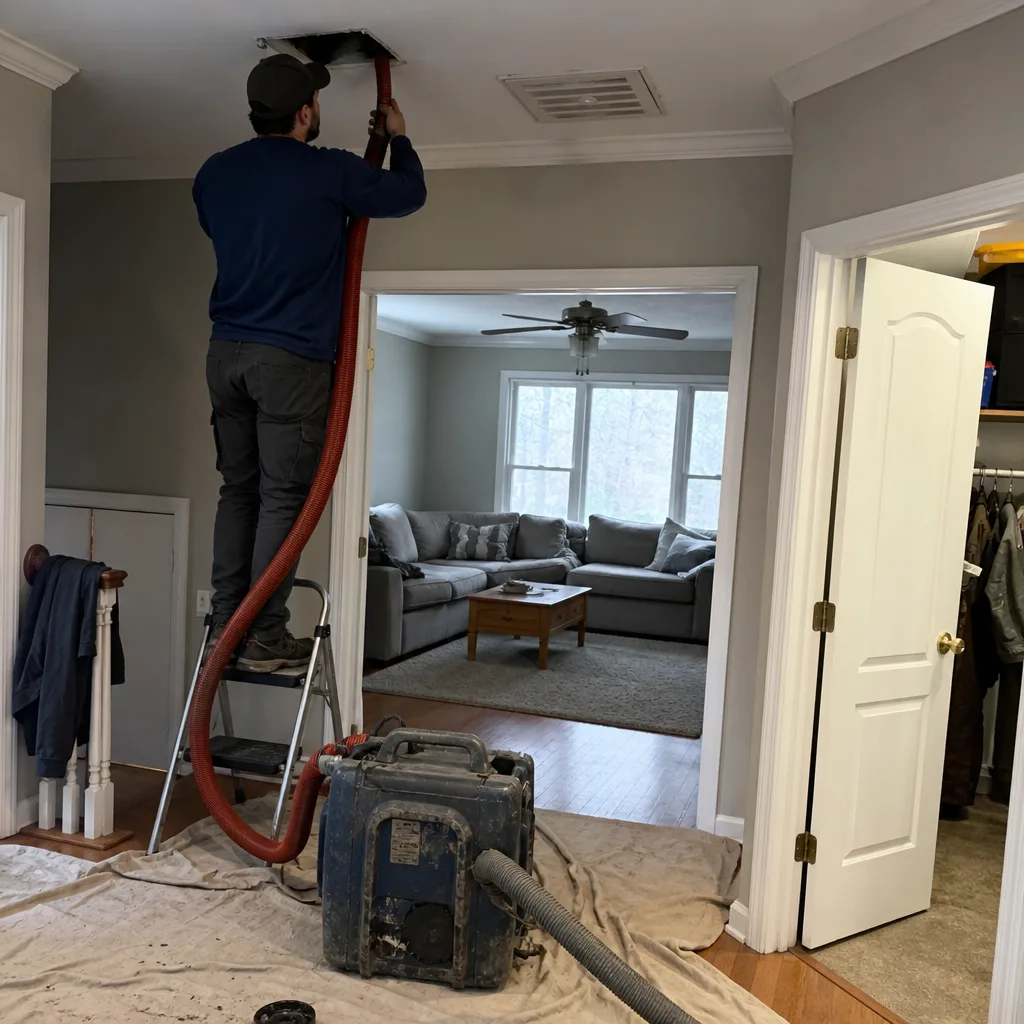 Before
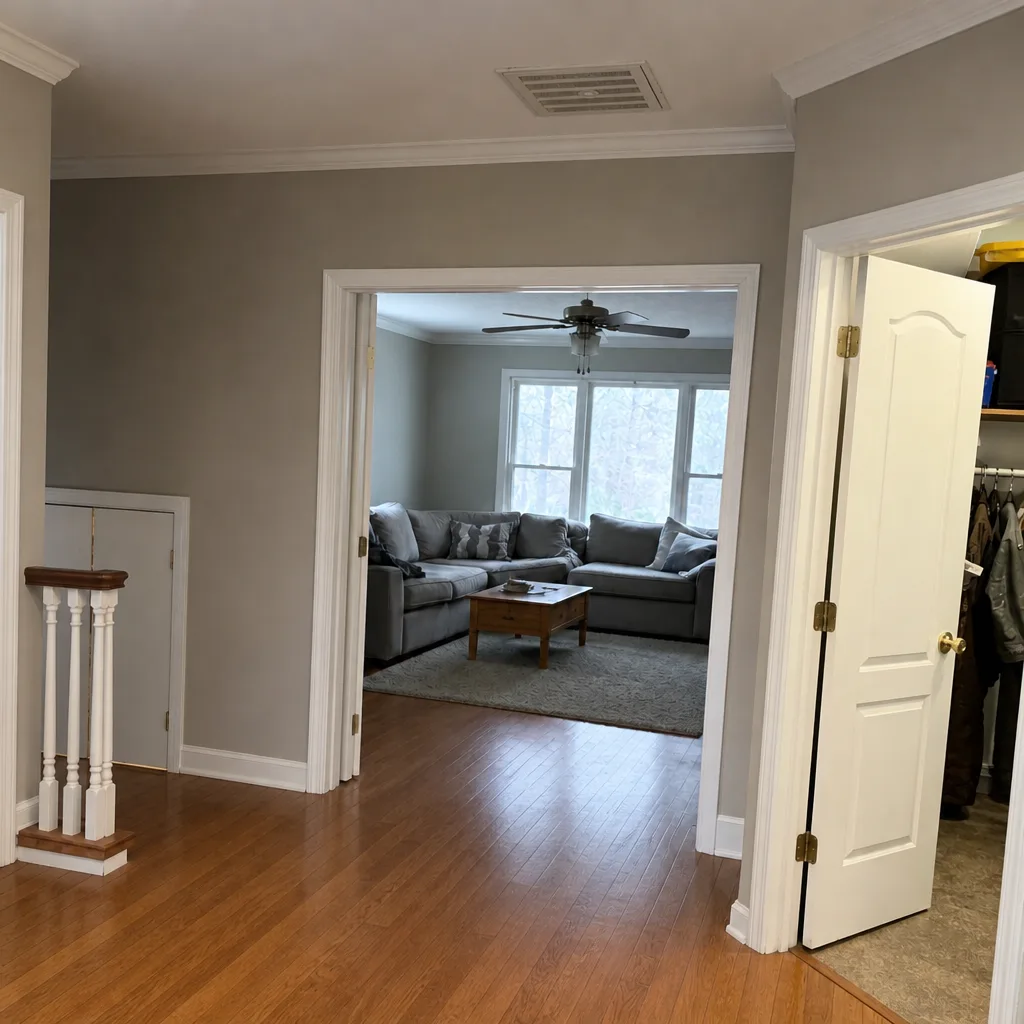 After
When to Call a Professional
Call a professional when your seasonal check turns up visible buildup past the register face, a persistent musty smell that a filter change won’t clear, filter loading that stays accelerated across two filters, or drywall dust from a renovation that’s already past the registers. Call after buying a Knoxville home with an unknown maintenance history, after discovering an unsealed duct joint in a crawlspace or attic, or when you want the dryer vent checked before it becomes a fire risk. A filter change handles airborne dust; a professional service handles what’s already inside the system. Air Duct Cleaning Knoxville Pros offers free estimates in Knoxville – call (844) 625-6998. We answer 24/7. Fast dispatch from 7am to 7pm, Sunday through Friday.
Frequently Asked Questions
Most Knoxville homes don’t need duct cleaning on a fixed interval; they need it when a seasonal check turns up visible buildup, a persistent odor, or accelerated filter loading. In practice, that means a thorough cleaning every few years for high-pollen or pet-heavy households and longer for well-sealed homes with good filtration. A photo baseline each year is the honest way to decide. Call (844) 625-6998 for a free estimate – we’ll tell you what your system actually needs.
The first thing to check is your filter loading rate – how fast the filter visibly loads compared to its rated life. It’s the fastest, cheapest, most reliable indicator of what’s moving through the system, and it takes less than a minute a month. If it’s loading twice as fast as expected across two consecutive filters, that’s your signal to call a professional. Call (844) 625-6998 for an exact quote – estimates are free.
You know because there are before-and-after photos of your own ducts, taken at the same registers and the same air handler, dated and shown to you. A written scope of work that names the equipment – rotary brushing, HEPA extraction, negative-air containment – is the other proof. If a crew shows up with a shop vacuum and no documentation, that’s the time to ask questions. Call (844) 625-6998 to schedule an assessment with before-and-after documentation.
Cheaper quotes usually reflect cheaper equipment and a shallower scope – often a shop vacuum and a handheld brush that reaches the first few feet of duct and stops. Professional-grade cleaning uses a rotary brush system on a long tether, HEPA extraction, and negative-air containment so the material actually leaves the system. A low headline price isn’t a bargain if the ducts aren’t clean afterward. One flat price per system, agreed before work starts, is the fairest arrangement for both sides. Call (844) 625-6998 for an exact quote.
Yes, in most cases – running the system during sanding and cutting pulls drywall dust past the return and into the supply runs, where it settles in horizontal sections. The 72-hour window after final sanding is when a check is most useful, and in that check, pale gray-white dust anywhere past the register face means professional cleaning. Call (844) 625-6998 if your renovation included sanding and the system ran during the work.
Duct cleaning removes accumulated dust, pollen, and debris that get re-suspended into living space air during normal system operation, which reduces what allergy sufferers breathe. We’re careful not to overpromise: it doesn’t sterilize your home, and Knoxville’s outdoor pollen load in spring is heavy regardless. What it does is remove a reservoir of stored material that would otherwise circulate for years. If you want a system that supports filtration, familiarity with Honeywell and Aprilaire whole-home systems helps you get more from your ducts after cleaning. Call (844) 625-6998 for a free estimate.
The Bottom Line
Duct maintenance in a Knoxville home works better as a monitoring protocol than a calendar. Check every register once a season, watch your filter loading rate monthly, contain and inspect after any renovation, photograph your baseline at the same registers each year, and call a professional when the evidence – not the calendar – says something has changed. That approach saves you money on unnecessary cleaning, catches real problems earlier, and keeps the whole air pathway in view: supply and return ducts, HVAC components, and the dryer vent that most checklists leave out. If your checklist turns up something you’d rather have looked at, that’s the right time to call.
Call (844) 625-6998 for a free estimate. We answer 24/7. Fast dispatch from 7am to 7pm, Sunday through Friday. One flat price per system, agreed before work starts, with before-and-after photos of your own ducts.
Written by the team at Air Duct Cleaning Knoxville Pros.