
Last updated November 25, 2026
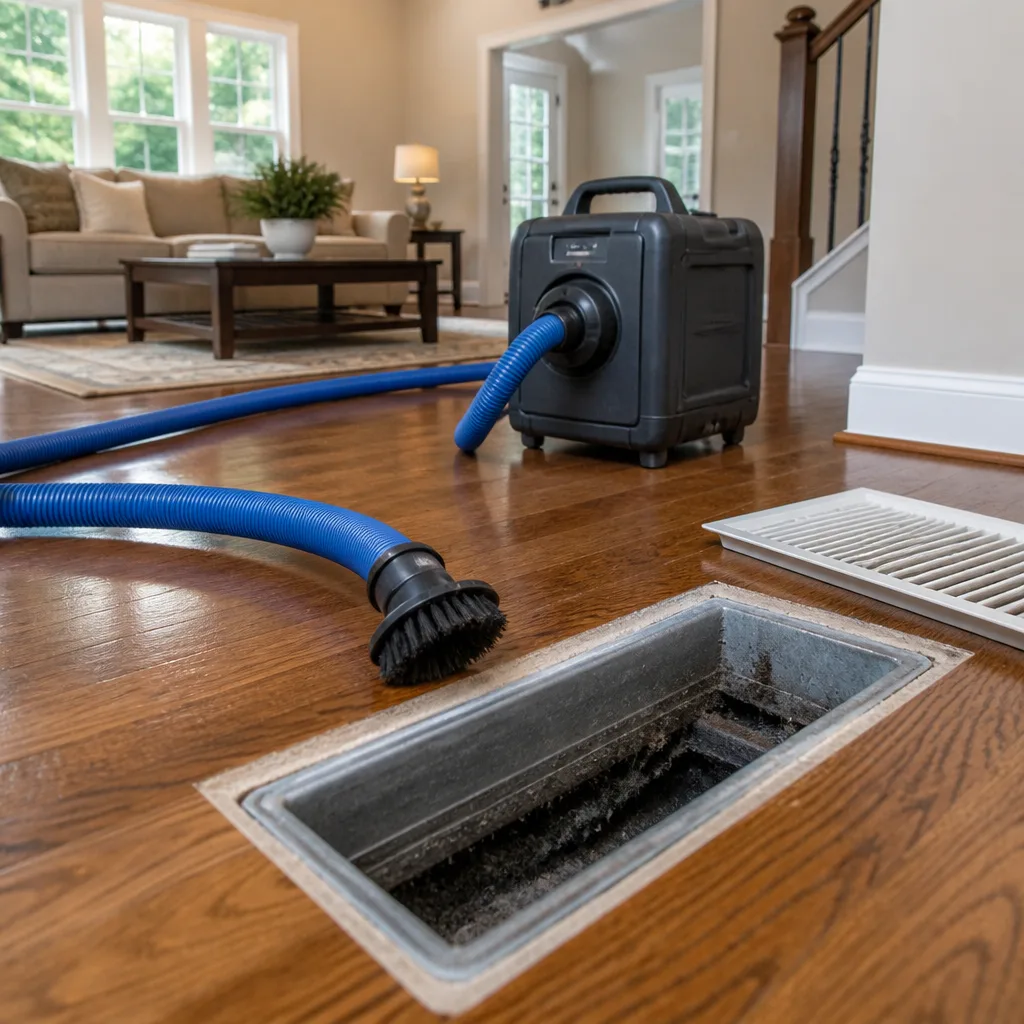 Whole-home duct cleaning
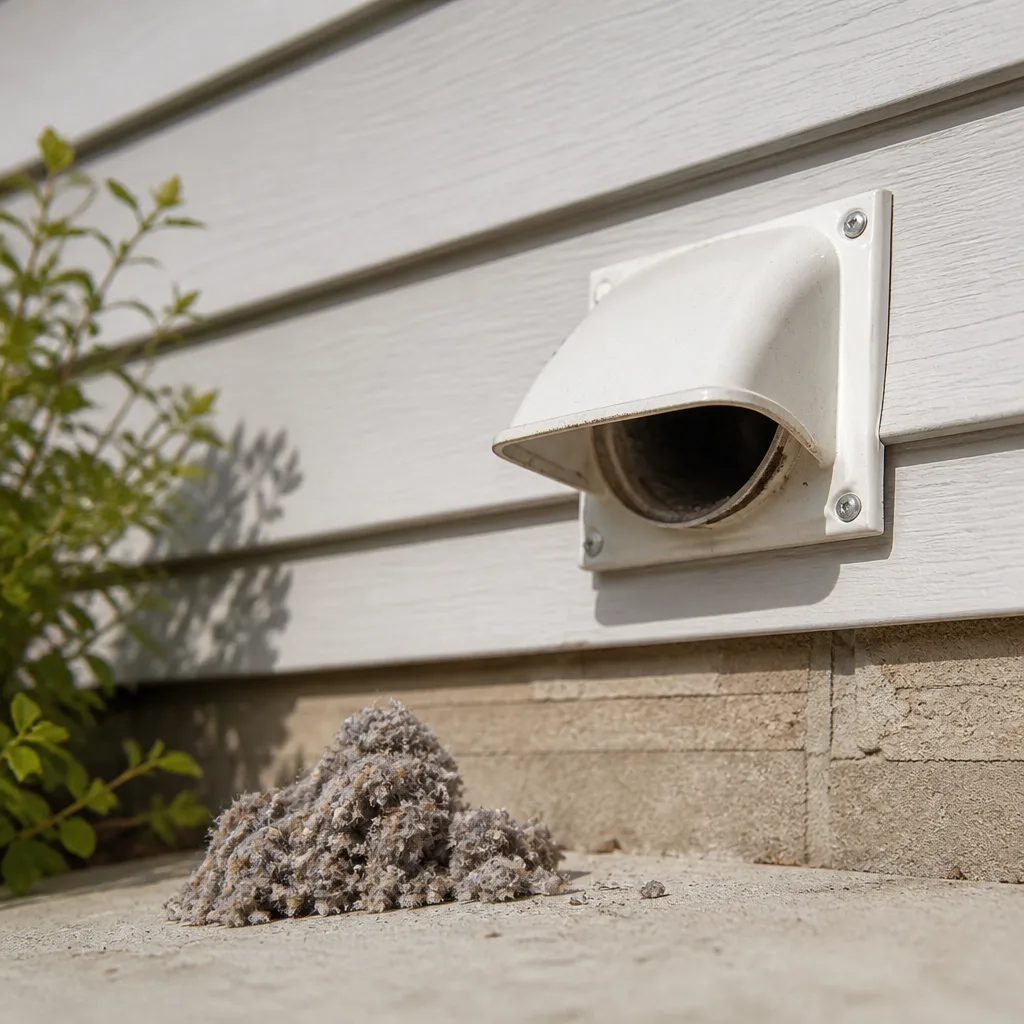 Dryer vent cleaning
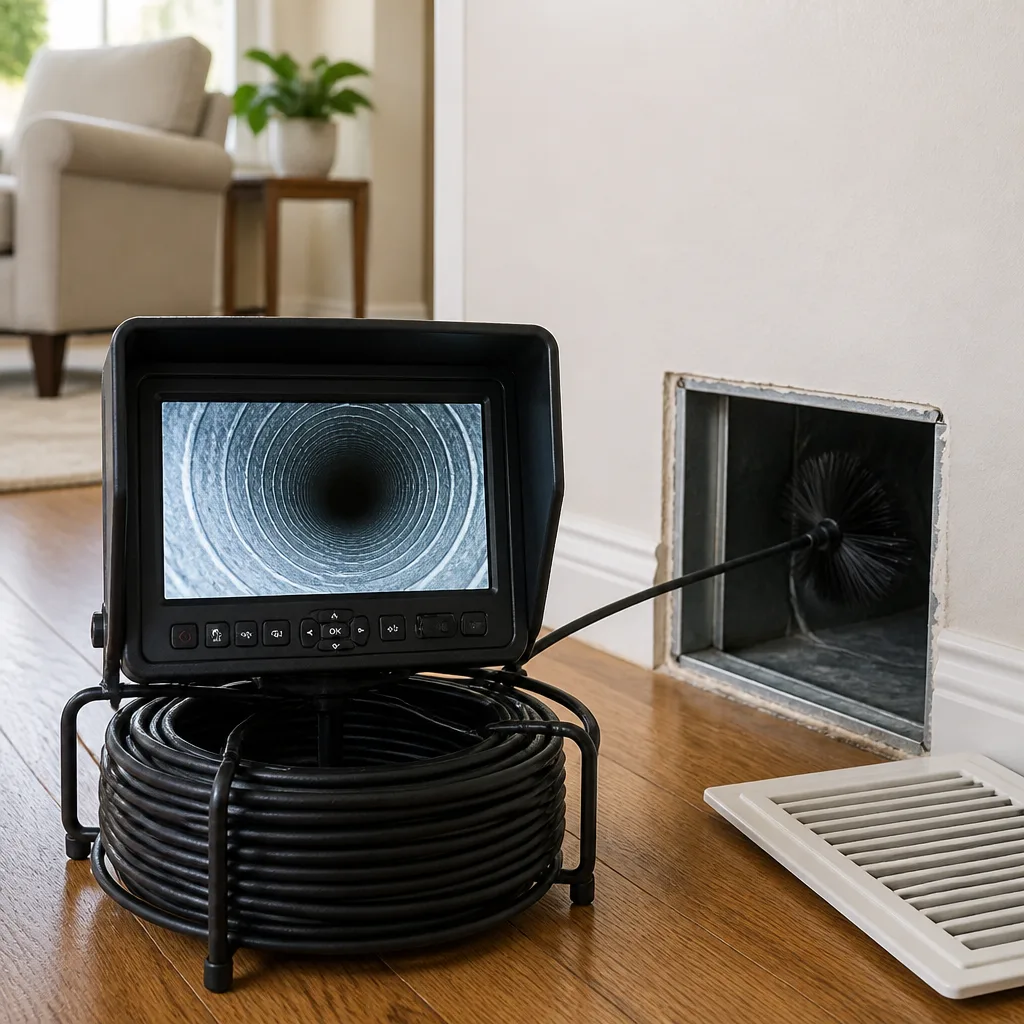 Camera inspection
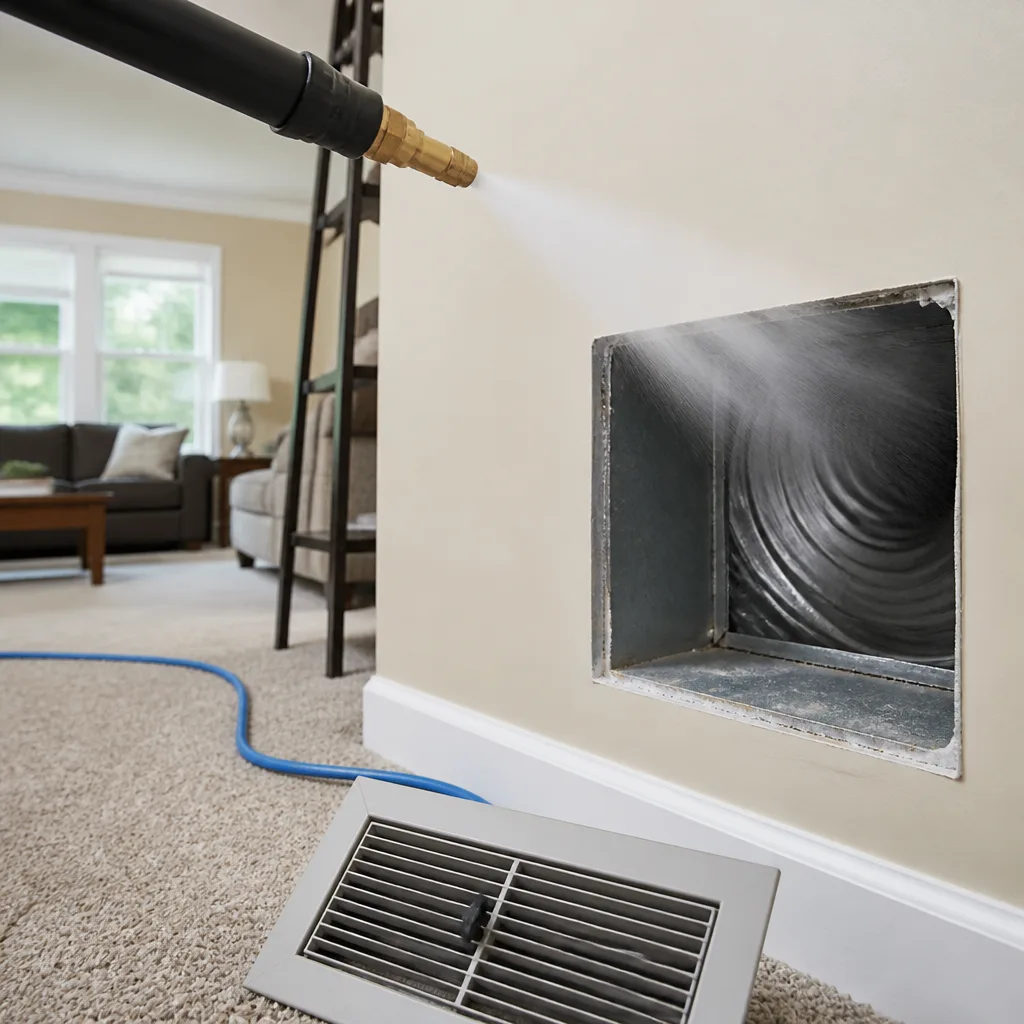 Sanitizing & deodorizing
Whole-system duct and dryer vent check with before-and-after photos - you see exactly what came out of your vents
That "$99 whole-house special" is a bait ad - the real number appears once they are in your hallway, or the "clean" is a shop-vac at the register. We photograph the inside of your ducts before and after instead.
Air Duct Cleaning Troubleshooting in Knoxville: Common Problems and How to Fix Them
If your vents are blowing dust two weeks after a “professional” cleaning, the crew likely ran negative-pressure equipment without mechanically agitating the duct wall, which means the debris was never loosened in the first place. That single fact explains most of the duct complaints we hear about in Knoxville. The vacuum pulled some surface dust, the filter caught the rest, and the caked layer on the sheet metal and flex stayed exactly where it was. This guide maps symptoms to their actual mechanical causes: dusty registers, uneven airflow, mystery odors, one cold room, a dryer that takes two cycles. By the end you’ll know which questions to ask before anyone opens a duct, and which problems a cleaning can fix versus which ones need repair or sealing first. We’ll also cover why Knoxville’s humidity makes some duct problems look and smell different here than they do in drier climates.
Quick Answer
Most air duct problems in Knoxville trace back to one of four causes: a contactor-grade cleaning that never agitated the duct wall, a leaky duct connection pulling attic or crawlspace air into the system, biofilm growth in flex duct from sustained humidity, or a mechanical obstruction like a collapsed run or closed damper. Diagnosing which of these you have takes fifteen minutes of symptom matching before anyone touches a tool. Cleaning fixes accumulated debris; sealing fixes leaks; sanitizing addresses microbial growth; and repair fixes compromised duct sections. Getting the diagnosis right before the service call is the difference between solving the problem and paying twice.
Styles & brands we work with
- Whole-home duct cleaning
- Dryer vent cleaning
- Camera inspection
- Sanitizing & deodorizing
Table of Contents
- Symptom-to-Cause Matrix: Matching Your Complaint to the Real Problem
- Why Negative-Pressure-Only Cleaning Leaves a Debris Layer
- Knoxville Humidity and Biofilm in Flex Duct
- Leaky Ducts vs. Dirty Ducts: Two Problems, Overlapping Symptoms
- When a Camera Inspection Should Come First
- Uneven Airflow and the One Cold Room Problem
- The Dryer Vent Troubleshooting Most Guides Skip
- Equipment Questions to Ask Before You Book Anyone
Symptom-to-Cause Matrix: Matching Your Complaint to the Real Problem
Before you call anyone in Knoxville, write down what you’re actually experiencing. The symptom usually points to one specific origin point in the duct system. Here’s how the mapping works in practice.
- Dusty supply registers that return within days of a cleaning – The duct wall wasn’t agitated during the previous cleaning. Surface vacuuming removes what’s loose; the adhered layer needs rotary brushing.
- A musty or sour smell that gets stronger when the system runs – Moisture-driven microbial growth, most often in flex duct runs through unconditioned attic or crawlspace space.
- One room that runs cold in winter or warm in summer – Could be a damper issue, a crushed flex run, a disconnected joint, or a supply boot that isn’t sealed to the floor or wall. Air is escaping before it reaches the register.
- Dust around the return grille and a filter that loads fast – Return-side leaks pulling particulate from attic or crawlspace into the return path, or an unsealed filter slot.
- Higher utility bills with no comfort gain – Leakage in the supply trunk or attic runs. You’re paying to condition air that never reaches the room.
- A dryer that takes more than one cycle to dry a normal load – Lint accumulation in the vent run, an obstructed exterior cap, or a crimped transition behind the dryer.
- Whistling or hissing at a register – Static pressure problem. The duct may be undersized for the run, or a damper is nearly closed down the line.
Two or three of these symptoms showing up together usually means the same root cause. Dusty registers plus fast-loading filters plus a cold room is a classic leak-and-debris combination in Knoxville homes with attic-run flex duct. Dusty registers alone after a recent cleaning points squarely at a cleaning method problem, not a leakage problem. Getting this distinction right is what we mean when we say air quality you can verify, not just assume. A professional assessment starts by looking at the full air pathway, not just the ducts. That pathway runs from the return opening, through the blower and coil, out through the supply trunk and every branch run, and it includes the dryer vent as a separate exhaust path that gets its own attention.
Why Negative-Pressure-Only Cleaning Leaves a Debris Layer
Negative-pressure duct cleaning is a real, necessary part of the process. A HEPA-filtered vacuum pulls the duct system into negative pressure so dislodged debris gets captured instead of blowing into living space. The problem starts when negative pressure is the only thing the crew brings in.
Here’s the mechanical reality. Duct debris isn’t floating in the air waiting to be sucked out. It’s adhered to the duct wall by a combination of static charge, moisture film, and simple compaction over years of airflow. A vacuum generates airflow, and airflow has to get under the debris before it can pull anything free. On a duct wall with an even, adhered layer, there’s no edge for the air to catch. The vacuum pulls clean air through the middle of the duct and leaves the wall’s coating intact. The homeowner sees a new filter, hears the equipment run for an hour, and a few weeks later the dust is back. That’s not the vacuum’s fault; the equipment did its job. The process was incomplete.
The fix is mechanical agitation, which in professional duct cleaning means rotary brushing. Rotobrush systems push a rotating brush head through supply and return runs, physically scouring the duct wall and breaking the adhered layer free. The brush loosens debris; the HEPA vacuum immediately downstream captures it. Both pieces matter. Brush without capture redistributes dust into the home. Vacuum without brush leaves the debris layer exactly where it was. Our technicians have up to 10 years of experience with this sequence, and the order never changes.
- Isolate the system and establish negative pressure with a HEPA-filtered vacuum, typically a Nikro unit for residential runs.
- Open access points at the trunk and at each branch run, sealing each opening after the brush passes through.
- Run the rotary brush through every supply and return run, working from the farthest terminal back to the trunk.
- Use Abatement Technologies negative-air equipment to contain and capture dislodged debris in the work zone.
- Clean the furnace components, blower, and coil housing as part of the same service.
- Verify with a visual inspection at each access point and, where useful, a camera pass.
- Offer sanitizing as a separate step if microbial growth was present, not as a default add-on.
If a quote you’ve received describes “vacuuming the ducts” without describing agitation, ask what tool the crew uses on the duct wall. The answer to that question tells you everything about whether the cleaning will actually work. You can also read more about what proper air duct cleaning involves on our service page.
Knoxville Humidity and Biofilm in Flex Duct
Knoxville sits in a humid subtropical climate with long, moisture-heavy summers and shoulder seasons that keep attics and crawlspaces damp for months. That climate matters for duct health in a way homeowners who moved here from drier regions often don’t expect. Flex duct runs through an unconditioned attic are essentially a cold surface in a warm, humid space for a good part of the year. Where the flex has any tear, failed vapor barrier, or loose connection at a boot or collar, warm humid air reaches the cool inner liner and condenses. That condensation is what feeds biofilm.
Biofilm is a living layer of microbial growth, and it smells different from ordinary dust accumulation. Dust smells like dust: dry, faintly earthy, more noticeable when the system runs. Biofilm carries a sour, musty, sometimes wet-cardboard smell that gets stronger in humid weather and weaker in dry cold snaps. If you can smell your ducts on a humid July afternoon in Knoxville and the smell fades in October, that’s a moisture signature, not a dust signature. The distinction matters because the treatment is different.
- Dust accumulation – Resolved by rotary brushing and HEPA extraction. That’s a cleaning job.
- Biofilm from condensation – Resolved by cleaning first, then identifying and fixing the moisture source (the seal failure, the torn vapor barrier, the loose collar), then applying a sanitizing treatment to the cleaned duct surface.
- Active moisture intrusion – Not a duct cleaning problem at all. If water is entering the duct system, the source of the water has to be addressed before any cleaning is meaningful.
In our experience, homeowner-run air quality systems sometimes make this worse before anyone looks at the ducts. A whole-home humidifier that’s set too aggressively, or a bypass humidifier leaking into the duct, pushes moisture into a system that doesn’t need help staying damp in summer. If you’re running a Honeywell or Aprilaire system and you notice the duct smell is worse when the humidifier is active, that’s a signal worth mentioning during the assessment. It’s the kind of interaction a specialist notices and a generalist misses.
Leaky Ducts vs. Dirty Ducts: Two Problems, Overlapping Symptoms
Dirty ducts and leaky ducts produce many of the same complaints, which is why so many homeowners pay for cleaning when the real problem is leakage. Both cause dust around registers. Both cause uneven comfort. Both can drive up utility bills. But the fixes are completely different, and only one of them responds to cleaning.
Dirty ducts accumulate debris that gets distributed through the system. The air is fine; it’s just traveling through a dirty passage. Cleaning fixes that. Leaky ducts pull air in from wherever they’re routed: attic, crawlspace, wall cavity, garage. That air is unconditioned and often loaded with insulation fibers, rodent debris, or outdoor particulate. The system’s own pressure dynamics make the leak worse: supply ducts leak air out (positive pressure), return ducts leak air in (negative pressure), so a return leak near a dirty attic pulls attic air into your living space. Cleaning a leaky system cleans the passage but leaves the intrusion path intact. Two weeks later the homeowner is complaining the cleaning didn’t work, when the cleaning worked fine and the leak is still there.
How to tell the difference before you call anyone in Knoxville:
- A dust test on a register. Wipe a supply register grille with a white cloth. If the residue is fine grey dust, you have a cleaning issue. If it’s gritty, fibrous, or has visible pink or orange insulation fiber, you likely have a leak pulling material from the attic.
- A return filter check. If the filter loads heavily in under a month while the house isn’t unusually dusty, the return side is pulling from a dirty space.
- A pressure check at the farthest register. If airflow is weak at the far end of the trunk and strong near the plenum, you’re looking at leakage or a duct sizing issue, not a debris issue.
- A visual inspection of accessible duct connections. Loose collars, taped joints that have failed, and disconnected flex runs behind a supply boot are visible to anyone who opens the right access.
This is why we handle duct repair and sealing as part of our service scope, not as an outside referral. Cleaning a system and then sealing the leaks we found is a single visit in most homes; treating them as two separate jobs wastes time and leaves the job half-done between visits. You can read more on our HVAC cleaning page about how component cleaning fits with the duct work.
When a Camera Inspection Should Come First
A camera inspection is the right first step when the symptoms don’t fit the obvious pattern, or when the duct layout isn’t visible enough to diagnose by feel. For an ordinary heavily-dusted system with no moisture or comfort complaints, a camera pass is useful but not critical. For the following scenarios in Knoxville homes, it’s the right call before any cleaning or repair begins.
- You’ve had a crater or damage event reported by another contractor. If a previous service told you a duct was crushed, collapsed, or disconnected but you can’t verify it, a camera confirms the claim before you commit to repair cost.
- The home is older and the duct system was retrofitted. Knoxville has a wide range of housing stock, and retrofits sometimes create odd routing through wall cavities and floor framing that isn’t visible from the basement or attic.
- One room has persistent poor airflow and the register itself is fine. The gap could be a crushed flex run inside a wall, an abandoned damper, or a trunk that never reached the room at all.
- A previous cleaning produced no change. If a cleaning didn’t improve conditions, a camera pass shows whether there’s a physical obstruction, a missed section, or a leakage issue that made the cleaning look ineffective.
- You’re buying a home and want to verify the duct system as part of the inspection. A camera pass during the inspection period is a reasonable way to know whether the ducts are in normal condition or have an expensive repair waiting.
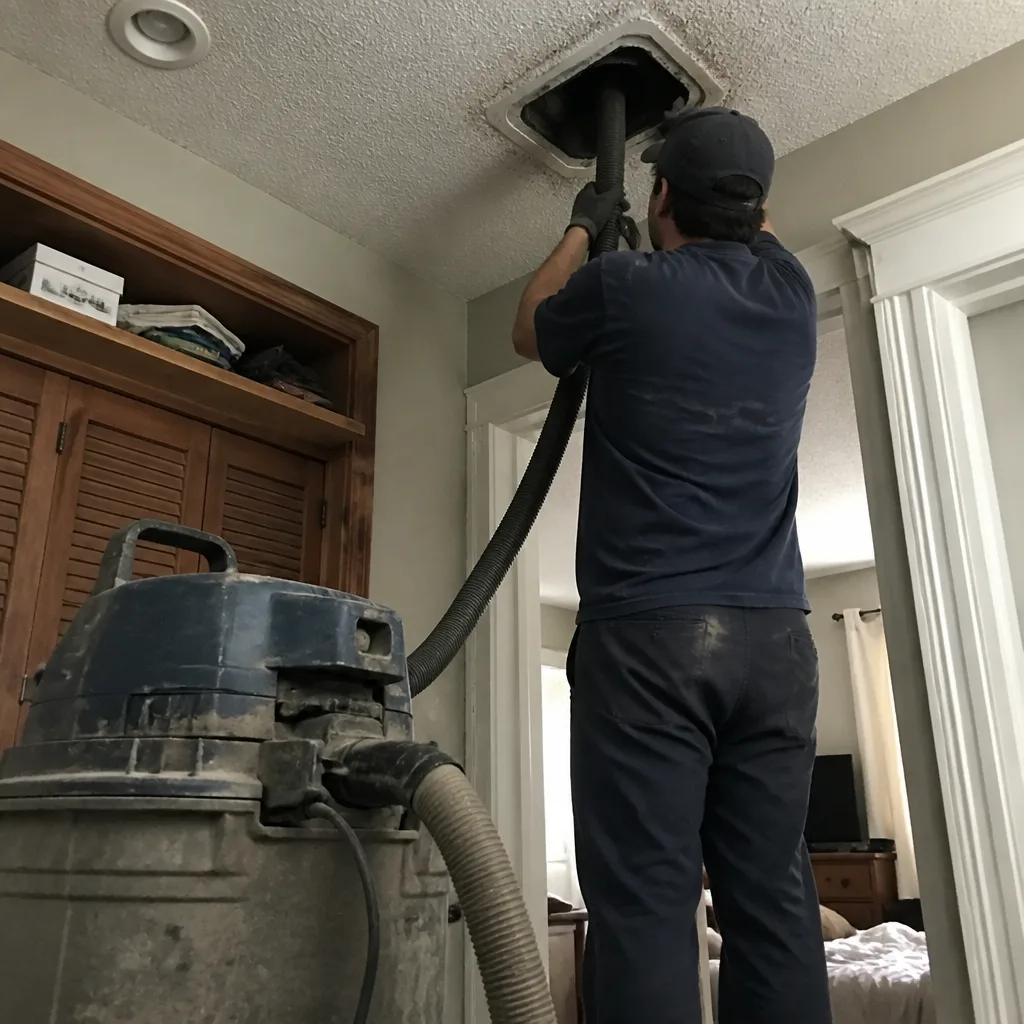
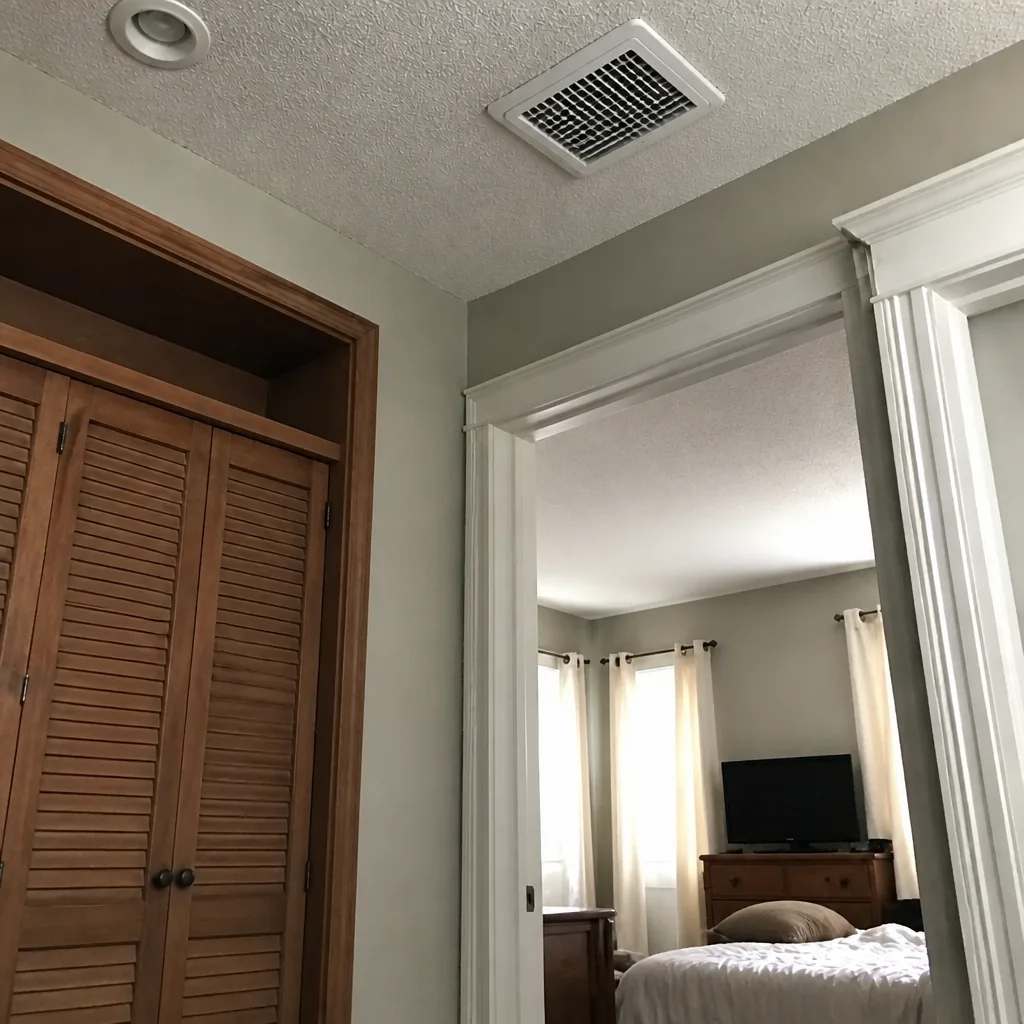
Our rotobrush systems are set up to run a camera alongside the brush head, so we see what the duct looks like before and after on the same pass. That’s useful both for diagnosis and for documenting the work so the homeowner can see the before-and-after photos rather than taking our word for it. The same tools used in commercial buildings aren’t overkill for a Knoxville home; they’re what makes a diagnostic inspection possible in the first place.
Uneven Airflow and the One Cold Room Problem
One room that never heats or cools right is one of the most common calls we get, and it’s almost never a duct cleaning issue alone. The cause is usually mechanical, and it falls into a short list you can narrow down yourself in an afternoon.
- Check the register damper. Some supply registers have a manual damper behind the grille. It’s surprisingly common for one to be nearly closed from a previous occupant’s adjustment.
- Check the trunk damper. If the duct system has a balancing damper on the branch feeding that room, and it’s choked down, that’s the whole problem. This is a common situation in Knoxville homes from the mid-century through the 1990s, and a quick adjustment often solves it.
- Test airflow at the register with a sheet of paper. If the paper barely deflects, the run itself is restricted: crushed flex, disconnected, or a closed damper inside the wall.
- Look at the return path. A room with a supply but no return, or with a return farther away than the door can close off, will feel stuffy and never balance properly. That’s a layout issue, not a cleaning issue.
- Check for unsealed boots. A supply boot that isn’t sealed to the floor or drywall leaks conditioned air into the wall cavity before it reaches the register grille. The room gets less air; the cavity gets more.
- Consider the duct sizing. A flex run that’s undersized for the room’s square footage will always underperform, regardless of how clean it is.
Two of these causes (a crushed flex run and a disconnected joint) are camera-inspection territory. The rest are visual and testable without opening anything. If you’ve worked through this list and the room still doesn’t balance, that’s when a professional assessment makes sense, because the next step is opening the wall or the floor sheathing to see the run in question. Duct cleaning addresses the air quality side of this list; only duct repair and sealing addresses the comfort side. We scope both in the same visit so the homeowner isn’t left to wonder why the cleaning didn’t fix the cold room.
The Dryer Vent Troubleshooting Most Guides Skip
Air duct guides often treat the dryer vent as a separate category and skip it entirely. It’s the second half of the air pathway in most homes, and problems there are a fire-risk issue, not just a lint nuisance. NFPA recognizes dryer vent cleaning as a fire prevention measure, and it’s a service most duct cleaners skip because they only focus on HVAC runs. We include it in our service scope because the troubleshooting logic is identical to the supply duct work.
Symptoms and their likely causes:
- Dryer takes more than one cycle to dry a normal load – Lint accumulation reducing the vent’s cross-section, usually worst at the transition behind the dryer or at a long horizontal run.
- The outside flap doesn’t open fully when the dryer runs – Blockage or a restricted cap. Weak flap movement is one of the clearest early indicators.
- Lint accumulates on the exterior of the vent cap or the wall – A gap or a failed cap spring letting lint escape around the flapper.
- The dryer feels hot to the touch or smells like heat – Restricted exhaust. Stop using the dryer and address the vent before anything else.
- Moisture on the interior of the window near the vent termination – Longer runs or a crimped transition pushing exhaust back into the home.
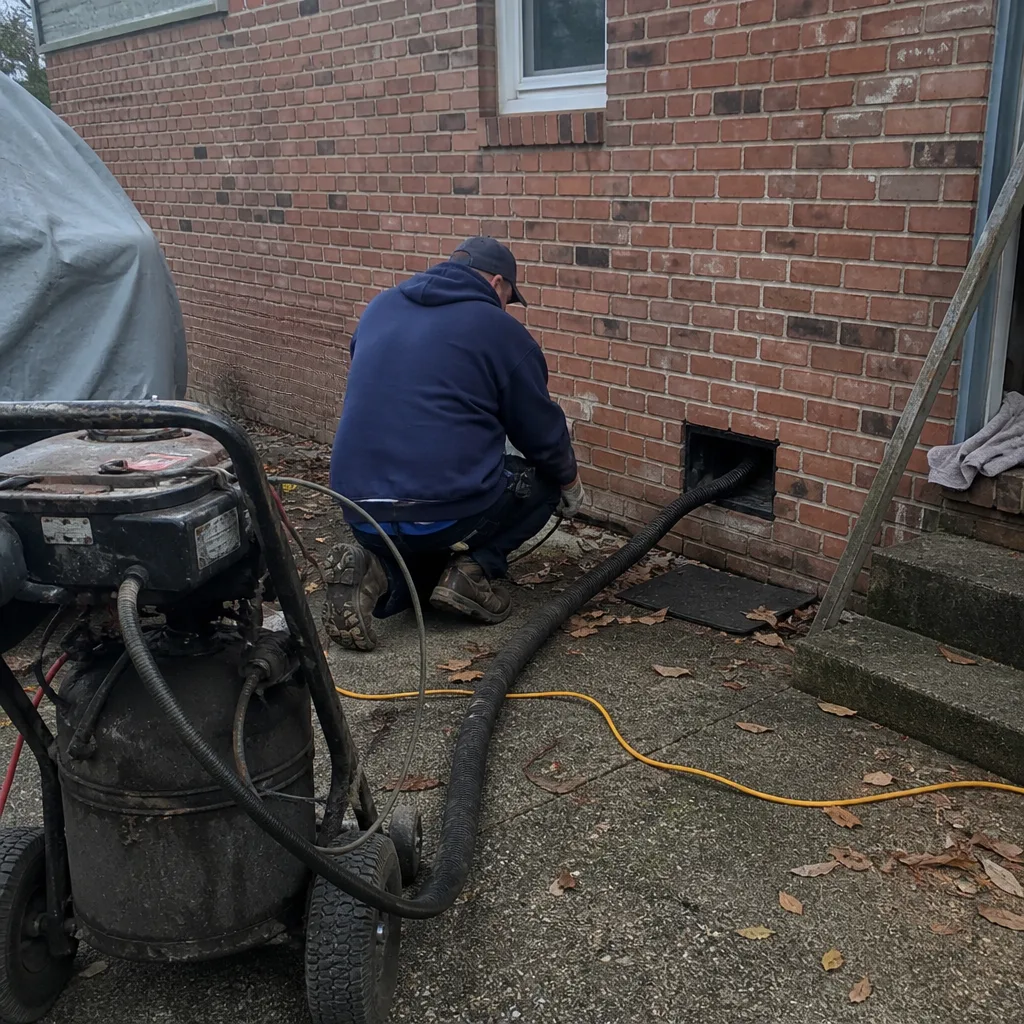
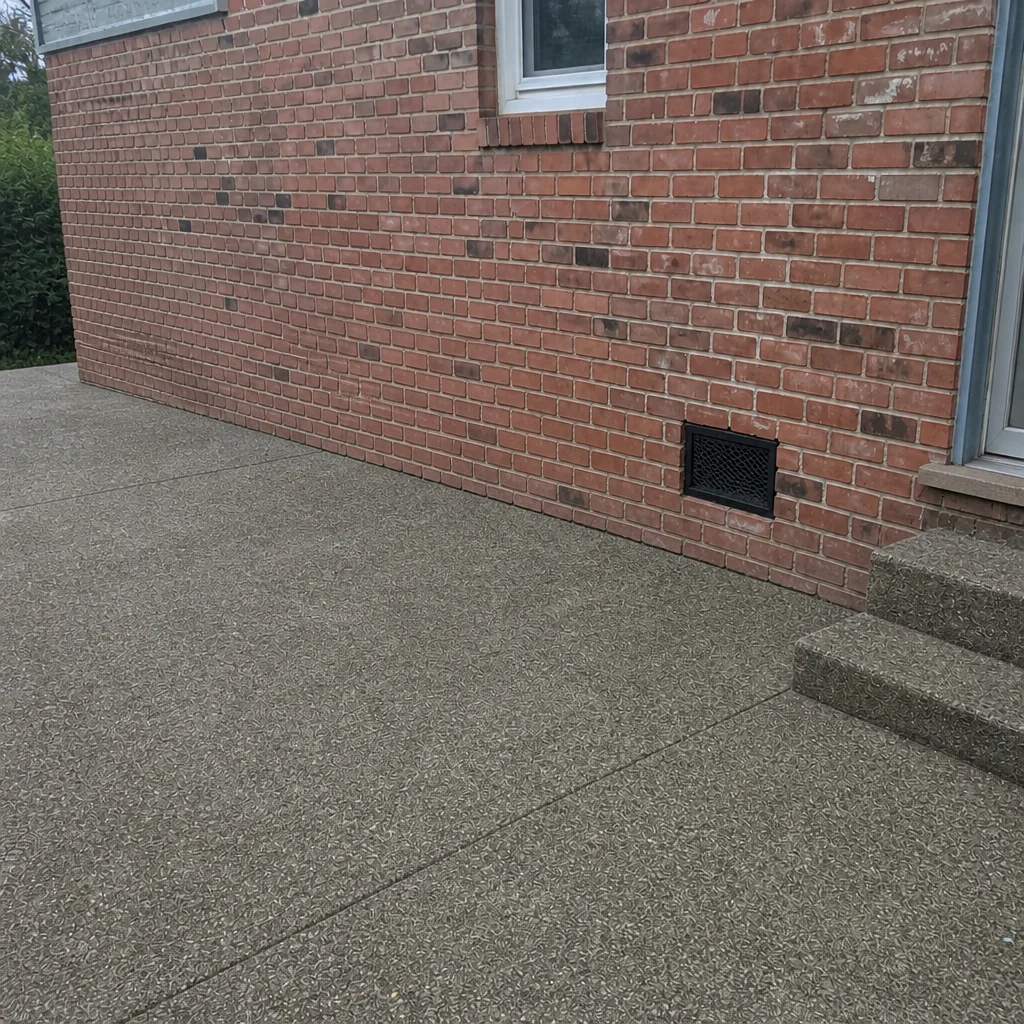
The fix for a restricted dryer vent is a full run cleaning from the dryer connection to the exterior termination, not a quick vacuum at the lint trap. Our dryer vent cleaning service covers the full path with the same rotary brushing equipment we use on the duct system, and we check the exterior termination for a functioning cap and proper clear of the vent opening. In Knoxville humidity, lint accumulation at the exterior termination is common because the seasonal humidity loosens lint from the screen and lets it travel further down the run than it would in a drier climate. That’s a good reason not to skip the vent when you’re already scheduling duct work.
Equipment Questions to Ask Before You Book Anyone
If you’re getting quotes for duct cleaning in Knoxville, the equipment questions tell you more about the crew than the price. A shop vacuum and a leaf blower are not duct cleaning equipment, no matter what the marketing says. Here are the questions we think every homeowner should ask, and the answers we give when they’re asked of us.
- “What tool do you use on the duct wall?” The answer should name a rotary brush system. Rotobrush is what we run; any professional system that physically agitates the wall is fine. “Vacuum only” is the answer that tells you to keep looking.
- “What kind of vacuum do you use for capture?” The answer should name a HEPA-filtered unit. We run Nikro on the residential side and Abatement Technologies negative-air equipment to contain dislodged debris at the work zone.
- “Do you clean the blower and coil as part of the service?” A duct cleaning that leaves the blower and coil dirty redistributes debris back into the duct the first time the system runs. Component cleaning belongs in the scope, not in a separate service.
- “Will you inspect for leaks and seal what you find?” If the answer is “we only clean”, the visit is half a service. Leaks look like dirt and cleaning alone won’t fix them.
- “Do you offer sanitizing as a separate step?” Sanitizing is a legitimate service for a system with microbial growth, and it should be offered as a genuine option, not pushed on every home. Filters and humidity management come first; sanitizing is a targeted treatment, not a default.
- “Can I see before-and-after photos of the ducts before you leave?” Any crew using a rotary brush system can capture this. If they can’t, ask why not.
Those questions filter out the crews running shop vacuums and call it duct cleaning without needing to compare prices. The right method costs what it costs; the wrong method costs less and doesn’t work. That’s the whole trade-off, and it’s why we talk about equipment instead of discount framing.
Common Mistakes to Avoid
- Hiring on price before asking about equipment. A low coupon price usually means a vacuum-only crew. The wall debris stays put and you’ll repeat the service within a year. Ask what tool runs on the duct wall before you compare any quote.
- Assuming a cleaning will fix a cold room. Cleaning removes debris; it doesn’t restore airflow to a room that has a crushed flex run, a closed damper, or a disconnected joint. Those need repair or adjustment, not cleaning.
- Skipping the return side. Knoxville homes with attic-routed flex on the return path often have more leakage on the return than the supply. Any quote that doesn’t mention returns and the return trunk is a warning sign.
- Treating a sour duct smell as ordinary dust. In humid Knoxville summers, a musty smell usually points to biofilm rather than dust accumulation, and the treatment path is different. Cleaning first, then addressing the moisture source, then sanitizing.
- Ignoring the dryer vent on the same visit. If the crew is already set up with rotary brush and HEPA capture, the dryer vent is a natural extension of the same equipment. Skipping it means scheduling a separate service for a fire-risk issue.
- Not asking to see the before-and-after. Duct work is hidden by design. The documentation is what separates a complete cleaning from an expensive no-op. Ask for photos before anyone leaves the home.
- Booking a cleaning after a renovation without a camera pass. Drywall dust, insulation, and construction debris can lodge in a run in a way that a normal cleaning pass won’t reach. A camera check beforehand tells you whether the standard scope is enough.
See the difference
 Before
 After
 Before
 After
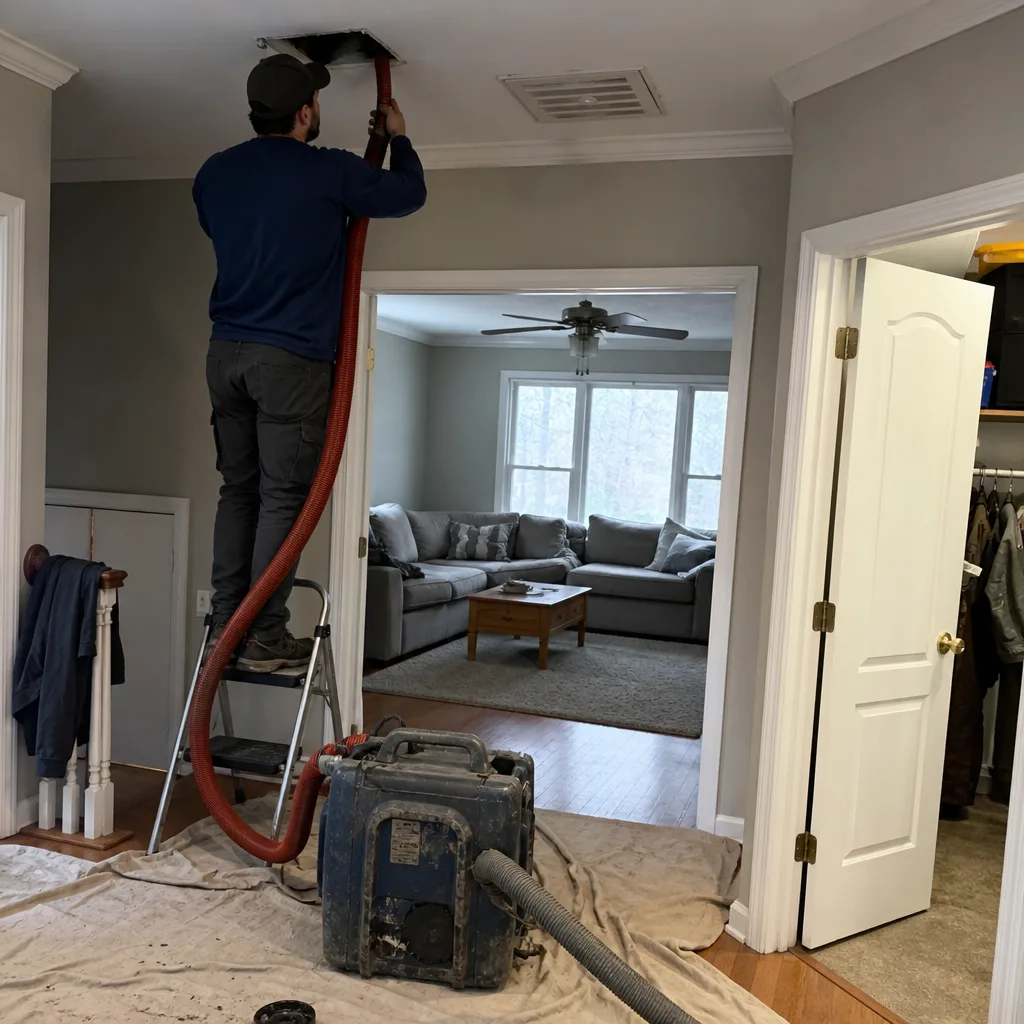 Before
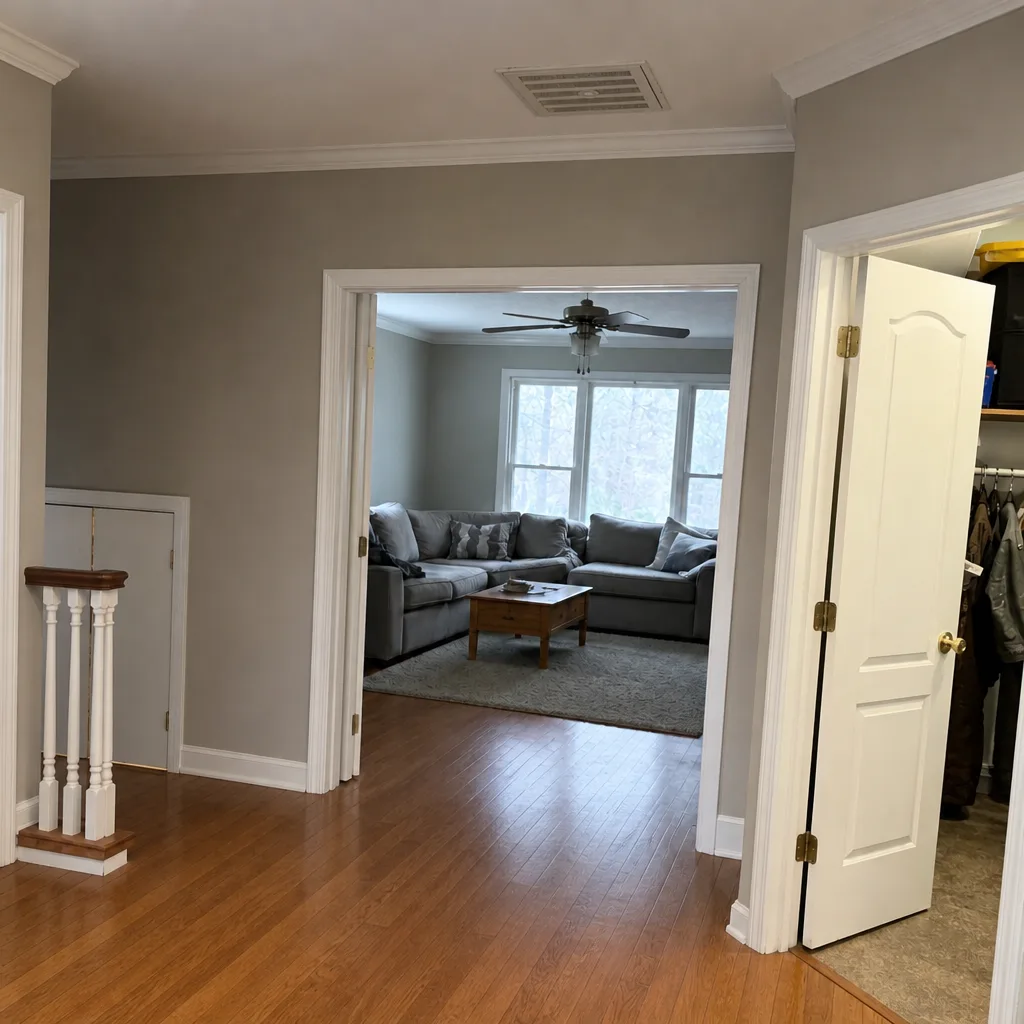 After
When to Call a Professional
Call a professional when the symptom list points to a leak, a mechanical restriction, active moisture, or persistent dust that a prior cleaning didn’t fix. Also call when you can’t narrow it down yourself, when the home is older with unknown duct routing, or when you’re about to close on a Knoxville home and want the duct system inspected. If you’ve never had the ducts or dryer vent cleaned and you’ve lived in the home for several years through a renovation or a pet addition, a baseline cleaning and inspection is a reasonable starting point.
Air Duct Cleaning Knoxville Pros offers free estimates in Knoxville. Call (844) 625-6998. We answer 24/7, and fast dispatch runs from 7am to 7pm, Sunday through Friday. Our technicians have up to 10 years of experience, and we scope cleaning, duct repair and sealing, sanitizing, and dryer vent work as one visit so you get a written estimate for the whole air pathway, not just the piece that sounds easy.
Frequently Asked Questions
Air duct cleaning in Knoxville is priced per system, not per vent, and the written estimate you get is the price you pay. The one flat price per system is agreed before work starts. Call (844) 625-6998 for an exact quote. Estimates are free.
Cheap quotes usually skip the rotary brush and the HEPA capture and run a shop vacuum instead. The tools are cheaper, the process is faster, and the debris layer on the duct wall stays exactly where it was. You pay once for a cheap cleaning and twice when you have it done properly. Call (844) 625-6998 for a written estimate that names the equipment.
Ask for before-and-after photos of your own ducts, taken through the access points during the service. Any crew using a rotary system can capture those. If a company can’t show you the condition of your ducts before and after, that’s the answer you need. Call (844) 625-6998 to schedule a service that documents the work.
For most Knoxville homes, every three to five years is a reasonable interval, and sooner if you’ve completed a renovation, added a pet, or noticed new dust patterns or a persistent musty smell. Homes with heavy shedding pets or recent construction may need it more often. Call (844) 625-6998 if you can’t decide which interval fits your home.
A summer-only musty smell in Knoxville usually points to biofilm growth where warm humid air condenses on a cool flex duct run through an attic or crawlspace. The fix is cleaning, then finding the moisture source (a torn vapor barrier, a loose collar, a failed connection), then sanitizing. Call (844) 625-6998 for an assessment before the smell gets worse into the fall.
Rarely by itself. A room that’s consistently cold usually has a leak, a closed damper, a crushed flex run, or a disconnected boot, not just debris. Cleaning improves air quality; repair and sealing restore airflow. Call (844) 625-6998 to have both scoped in one visit.
Yes. Dryer vent cleaning is part of our service scope because the vent is the second exhaust path in the air system and lint buildup is a fire risk NFPA flags as preventable. We run the same rotary equipment through the dryer vent that we use on the HVAC runs. Call (844) 625-6998 to add it to a duct service or schedule it on its own.
Ask what tool runs on the duct wall, what vacuum captures the debris, whether the blower and coil are included, and whether the crew inspects for leaks and offers sealing. If the answers don’t name rotary brushing, HEPA capture, and component cleaning, keep looking. Call (844) 625-6998 to hear how we run those steps on your home.
The Bottom Line
Persistent dust, uneven comfort, and mystery odors all have specific mechanical causes inside the duct system, and diagnosing them is more useful than scheduling a cleaning and hoping. Match the symptom to the cause before anyone opens a duct. Negative-pressure-only cleaning doesn’t remove adhered debris; rotary brushing and HEPA capture do. Knoxville humidity creates biofilm conditions in attic-run flex duct that smell different from ordinary dust and need a different treatment path. Leaky ducts and dirty ducts produce overlapping symptoms but respond to completely different fixes. And a camera inspection is the right first step when the pattern doesn’t fit, the home is older, or a prior cleaning made no difference. If you’d rather not diagnose it yourself, we’re happy to. Read more about our full Air Duct Cleaning Knoxville Pros service scope, or call (844) 625-6998 for a free estimate. We answer 24/7. Fast dispatch from 7am to 7pm, Sunday through Friday.
Written by the team at Air Duct Cleaning Knoxville Pros.