
Last updated November 25, 2026
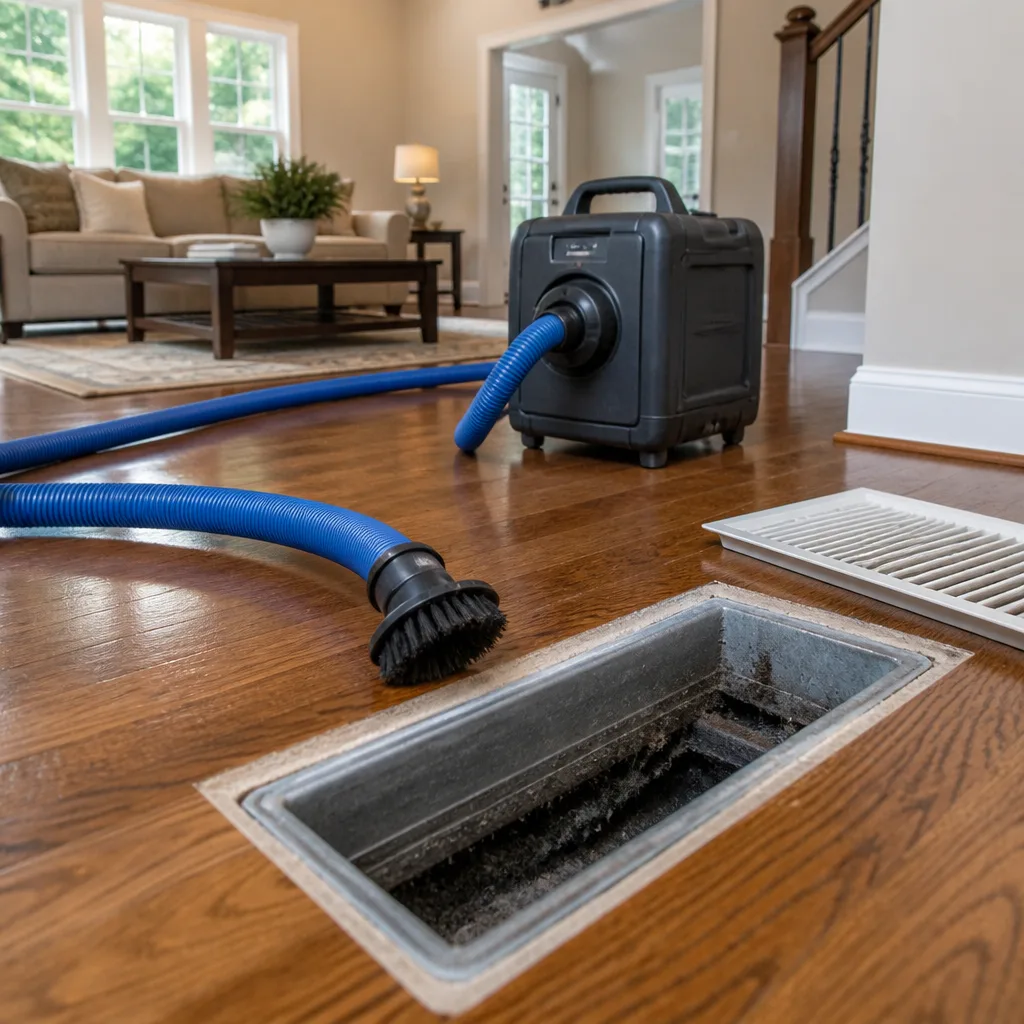 Whole-home duct cleaning
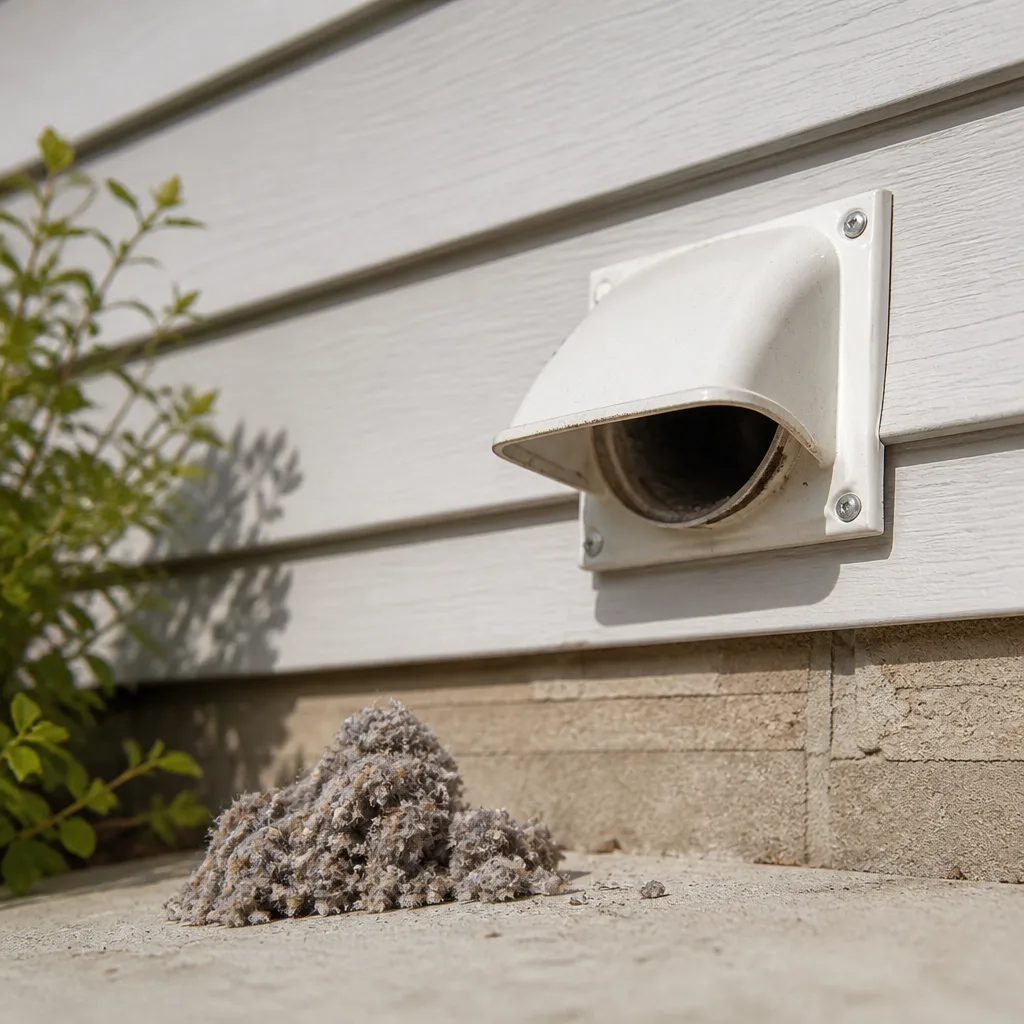 Dryer vent cleaning
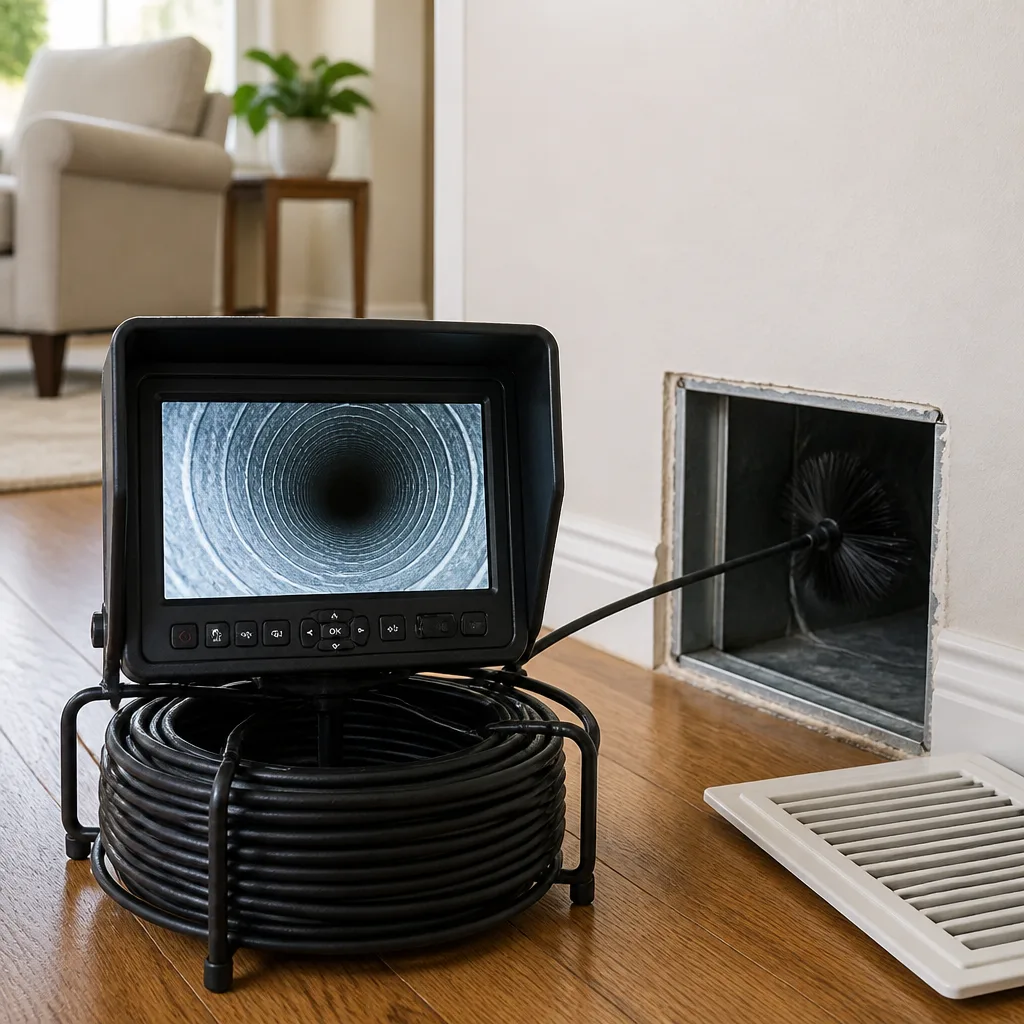 Camera inspection
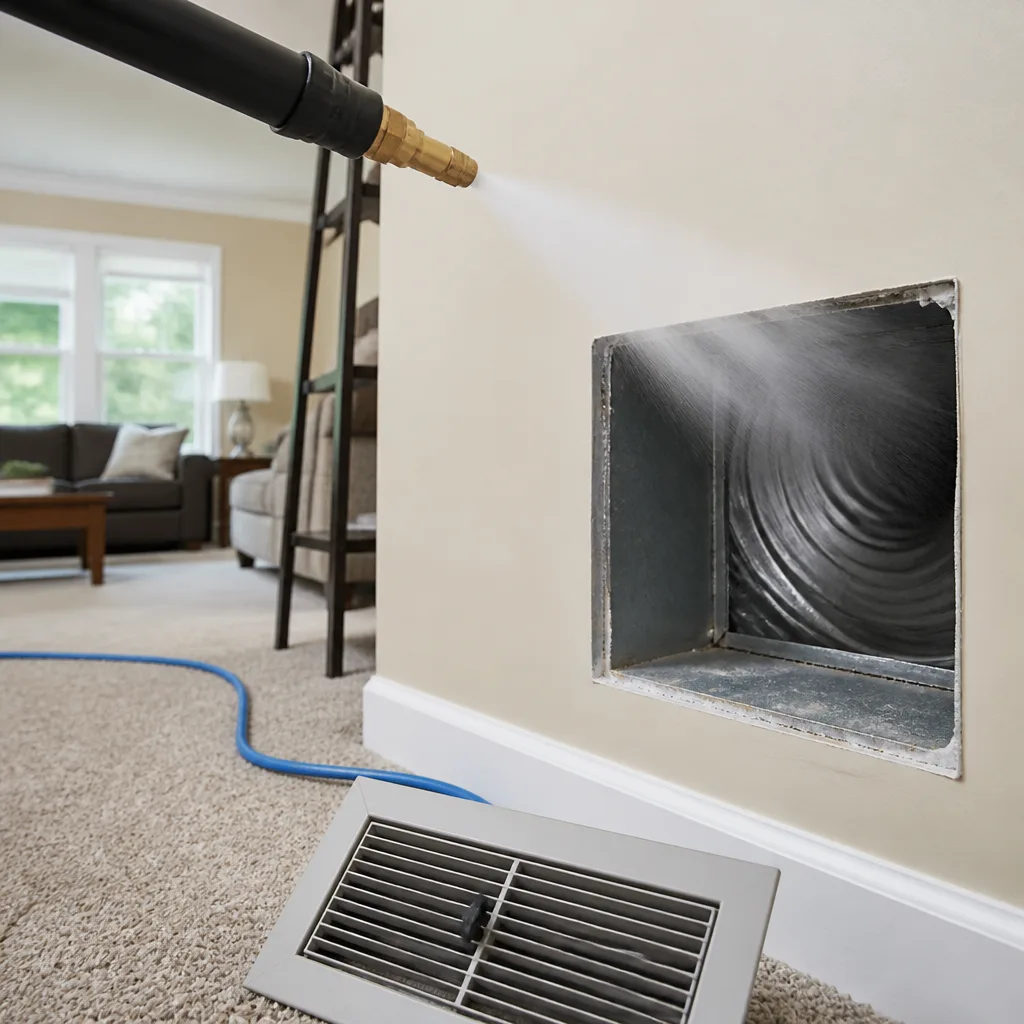 Sanitizing & deodorizing
Whole-system duct and dryer vent check with before-and-after photos - you see exactly what came out of your vents
That "$99 whole-house special" is a bait ad - the real number appears once they are in your hallway, or the "clean" is a shop-vac at the register. We photograph the inside of your ducts before and after instead.
Choosing the Right Air Duct Cleaning Brand: A Buyer’s Guide for Knoxville
Most homeowners shop for duct cleaning the way they shop for a plumber: they compare star ratings, scan a coupon, and pick whoever answers first. That approach tells you almost nothing about what will happen in your attic and crawlspace. A logo can’t agitate dust off a duct wall. A five-star review can’t tell you whether the machine hooked to your supply trunk pulls real negative pressure or just stirs debris into your living room. What separates a careful Knoxville duct cleaning from a careless one is the equipment platform, and the equipment platform is something you can inspect and ask about before anyone sets foot in your house. This guide teaches you how to read it, so you can judge a brand by its machines instead of its marketing.
Quick Answer
The right air duct cleaning brand in Knoxville is the one that runs professional-grade equipment you can verify: a rotary brush system such as Rotobrush for agitation, a HEPA-filtered vacuum such as Nikro for extraction, and negative-air containment such as Abatement Technologies to hold debris under control. Ask which machines they use, how the vacuum is filtered, and how they contain dust at the returns. A company running a shop vacuum in place of that setup is a different category of service, no matter what its name or reviews suggest. One flat price per system, agreed in writing before work starts, is the other half of the decision.
Styles & brands we work with
- Whole-home duct cleaning
- Dryer vent cleaning
- Camera inspection
- Sanitizing & deodorizing
Table of Contents
- Why equipment is the real brand signal
- What Rotobrush agitation does that a generic brush cannot
- Nikro vs. Abatement Technologies: negative air and HEPA stages
- Truck-mounted vs. portable professional units for Knoxville homes
- How to verify a company’s equipment claims
- Operational signals during the job that prove proper equipment use
- The full air pathway: ducts, HVAC components, and dryer vents
- What a fair price looks like and why per-vent pricing fails
Why Equipment Is the Real Brand Signal in Knoxville
In Knoxville, duct cleaning has no licensing board, no mandatory certification, and no standard exam that separates a trained crew from a person who bought a vacuum. That gap is exactly why equipment matters so much. It’s the most objective, checkable thing a company can show you before you hire. Brand recognition is a weak proxy; the machine platform is a strong one.
A house in Knoxville runs its HVAC hard for a long cooling season, and that long runtime means more air moving through the same ductwork than in a cooler climate. Dust, pollen from the surrounding ridges and valleys, and pet hair all load the system steadily across spring and summer. When you then clean, you are dealing with a meaningful volume of accumulated material, and volume is where equipment separates from improvisation.
- Agitation loosens debris bonded to duct walls. A brush that keeps contact pressure does this; a passive hose does not.
- Extraction removes what agitation releases. HEPA filtration and real airflow matter here.
- Containment keeps released debris from migrating into the rooms you live in.
A generalist HVAC company that cleans ducts on the side, or a low-cost operator running a wet-dry vac and a length of flex hose, often has one of these three and sometimes none. That’s the distinction this guide is about, and it’s the reason we name our tools rather than ask you to trust a logo. When you’re evaluating anyone for air duct cleaning in Knoxville, start with agitation, extraction, and containment. Everything else is secondary.
What Rotobrush Agitation Does That a Generic Brush Cannot
Rotobrush is a rotary brush system that does three things at once, and the combination is the point. It spins a brush head under continuous contact pressure against the duct wall, it lets the technician vary the RPM for different duct materials, and it pulls a HEPA-filtered vacuum at the exact point where the brush is agitating. Debris comes off the wall and goes into the vacuum at the same moment, rather than being dislodged and left to settle or drift.
Compare that to a generic rotary brush attachment run off a hand drill. The drill brush spins, but it can’t hold steady contact pressure on an uneven duct wall, it has no control over speed for delicate flex duct, and there’s no integrated vacuum at the brush head. Material flicks off and falls.
Why contact pressure matters
Dust bonds to galvanized and flex duct walls as a film, and a film needs sustained pressure to break. A drill brush skates across it. A system designed for duct interiors maintains pressure as the head travels.
Why variable RPM matters
Older Knoxville homes and newer builds often carry different duct materials in the same house. Rigid galvanized trunk lines, flex runs to upper floors, and occasionally duct board all respond differently to a spinning brush. Variable speed lets the technician match the brush to the material instead of treating every run the same. This is the argument we make for naming our equipment: the tools determine what’s possible.
Nikro vs. Abatement Technologies: Negative Air and HEPA Stages
Negative-air equipment is what makes the difference between cleaning ducts and redistributing their contents. Nikro and Abatement Technologies both make HEPA-filtered negative-air machines, and both are legitimate professional tools, but they serve different jobs and carry different capacity ceilings. Knowing the difference helps you ask better questions.
Nikro portable negative-air and HEPA units
Nikro builds portable machines that pull through multi-stage filtration and exhaust filtered air, holding a room or work area under slight negative pressure so dislodged debris is drawn toward the machine instead of your hallway. For most residential work in Knoxville, a well-run portable HEPA unit is the right tool: it’s maneuverable through tight attic access, it fits a crawlspace, and it lets the technician position the vacuum where the agitation is happening.
Abatement Technologies units
Abatement Technologies machines are built for larger-scale remediation and containment work, with HEPA filtration stages and airflow capacity sized for bigger volumes of contaminated air. They’re the heavier tool in the kit, and they’re appropriate when the project calls for stronger containment or higher CFM, such as light commercial spaces or jobs where return-side cleaning releases a lot of material at once.
| Consideration | Nikro portable HEPA | Abatement Technologies |
|---|---|---|
| Typical use | Residential ducts, positioned at the work area | Larger containment, remediation-scale work |
| Mobility | High, fits attic and crawlspace access | Lower, sized for higher airflow |
| Filtration | Multi-stage HEPA | HEPA stages built for larger volumes |
| Best fit in Knoxville | Most single-family homes | Light commercial, heavy-load returns |
Ask which one is coming and why. A company that can explain the choice knows its equipment. A company that says “a big vacuum” does not.
Truck-Mounted vs. Portable Professional Units for Knoxville Homes
There’s a widespread assumption that a truck-mounted vacuum is automatically the better choice. It isn’t, and for a lot of residential Knoxville work it’s the wrong tool or the wrong reason for choosing a company. Truck-mounted systems generate strong suction, but that suction has to travel through a long hose from the street to the duct, and suction drops with distance and hose length. On a house with a long setback or a second-floor system, a portable professional unit positioned at the duct can outperform a distant truck.
Where truck-mounted systems hold an advantage:
- Large single-story homes with short, direct hose runs from the driveway
- Properties where the ductwork is concentrated and easily reached from outside access points
- High-volume jobs where the truck is parked close and the run is short
Where portable professional units hold an advantage:
- Multi-story homes where positioning near the system matters more than raw capacity
- Attics, crawlspaces, and tight access points a truck hose can’t reach cleanly
- Jobs where containment at the return matters more than total airflow
Knoxville’s housing stock mixes older bungalows with newer two-story builds, and a single house can have both easy and difficult access. The honest answer is that neither platform wins outright. What matters is whether the company brought the tool that fits your house and can explain why. Ask how they’ll reach the system in your home and where the vacuum will be positioned. The response tells you a lot.
How to Verify a Company’s Equipment Claims
Equipment claims are easy to make and, with a few specific questions, easy to check. You don’t need to be a technician to verify what’s coming into your house. You just need to ask for the right details before the appointment and watch for them during it.
- Ask for the machine model. “What exactly are you bringing?” A real operator can name the platform, such as Rotobrush for agitation or Nikro and Abatement Technologies for negative air. A vague answer is a signal.
- Ask how the vacuum is filtered. HEPA filtration should be described in stages, not as a single word. If the answer is “it’s got a filter,” press for detail.
- Ask what happens at the returns. Proper procedure involves sealing and containment so debris doesn’t escape into the room. Ask how they’ll do it in your house.
- Look for model plates and serial tags on-site. Professional equipment carries manufacturer markings and serial numbers. You don’t need to record them; you need to see that the machine is a documented commercial unit and not an unlabeled shop vacuum.
- Ask about filter condition and replacement. A HEPA machine is only as good as its filters. A technician should be able to tell you the filters are serviceable and account for their condition before leaving.
- Ask for before-and-after photos of your own ducts. Interior photos shot during the job show the machine, the containment, and the result. Yours, not a stock image.
In our experience, the companies worth hiring answer these without hesitation. That’s not because we’re special; it’s because the equipment is the work, and people who run real equipment are used to talking about it. Confidence comes from specifics.
Operational Signals During the Job That Prove Proper Equipment Use
You can learn a great deal in ten minutes of watching. The equipment is visible, the containment is visible, and whether the vacuum is running the whole time is visible. These are the operational signals that separate a professional job from a rushed one.
- Plastic sheeting or containment at the returns. Before agitation begins, the work area should be protected and the return openings sealed so released material doesn’t drift into living space.
- Continuous vacuum operation during agitation. The vacuum runs while the brush works, not after. Agitation without simultaneous extraction is just scattering.
- Negative pressure held at the work zone. A well-set negative-air machine pulls fine material toward the filter rather than letting it settle on your floors.
- Post-job filter condition. A used HEPA filter tells a story. If the machine ran the whole time, the filter will show it. If it didn’t, the filter will look untouched.
- Before-and-after photos of interior duct surfaces. Photos of your own ducts, taken during and after, confirm that the agitation reached the walls.
The whole point of containment is that Knoxville homes get a clean result without a dust plume in the hallway. If a crew starts agitating before the sheeting is up and the vacuum is on, that tells you what the rest of the visit will look like. You don’t need to be an expert to notice; you just need to be present for the first ten minutes.
The Full Air Pathway: Ducts, HVAC Components, and Dryer Vents
Duct cleaning done well is part of a bigger picture. The air pathway in your Knoxville home runs from the return grilles, through the system’s components, out to the supply registers, and it has a separate outlet at the dryer vent. A company that only cleans ducts and leaves the rest gets a partial result.
Supply and return ducts, and the HVAC components between them
The blower, the coil, and the air handler are part of the pathway air moves through. When you plan HVAC cleaning alongside duct work, the components get attention instead of sitting as a reservoir of dust that recontaminates clean ducts. Leaky ductwork is the other piece: a duct with a disconnected joint or a gap at the boot in an unconditioned attic pulls in whatever’s around it. Duct repair and sealing done in the same visit means cleaned ducts stay clean instead of pulling air from the attic.
Dryer vent cleaning
The dryer vent is the air pathway most likely to be ignored, and it’s the one most directly tied to household fire risk. Dryer vent cleaning clears the lint that accumulates along the run to the exterior cap, restoring airflow and reducing the fire hazard the National Fire Protection Association recognizes. Most duct-only operators skip it entirely. We don’t, and it’s one of the clearest signs of a company that treats indoor air quality as a whole.
Air quality products
After cleaning, filtration and humidity equipment determine what your system does next. Familiarity with Aprilaire and Honeywell whole-home filtration and humidity systems lets a company advise beyond the cleaning visit rather than clean and leave. Sanitizing, offered as a standard service option rather than an afterthought, addresses the surfaces a clean can’t reach on its own.
What a Fair Price Looks Like and Why Per-Vent Pricing Fails
Air duct cleaning is process-driven, and process-driven work doesn’t fit a per-vent price. Counting vents says nothing about how many returns a Knoxville house has, how deep the run to the far bedroom is, whether flex or rigid duct is involved, or whether the system has one air handler or two. In our experience, flat per-vent pricing is where the bait-and-switch lives: a low per-vent figure becomes a larger invoice once the technician is on-site and the job’s real scope appears.
What a whole-system price should include
- Supply and return cleaning with agitation and HEPA extraction
- Containment at the returns and negative air during the work
- HVAC component cleaning as part of the system
- Before-and-after photos of your own ducts
- A written estimate that sets the final price before work starts
What to ask about pricing
- Is the price per system or per vent?
- What’s included, and what’s charged separately (dryer vent, sanitizing, duct sealing)?
- Is the estimate in writing before the job begins?
- Will I see before-and-after photos of my ducts?
We quote one flat price per system and agree to it in writing before work starts. The written estimate sets the final price. If a quote arrives as a per-vent figure, treat it as a starting number, not a final one.
Common Mistakes to Avoid
- Hiring on the coupon figure alone. A low advertised price often becomes a larger invoice once the technician is inside and the real scope is visible. Per-vent pricing is the mechanism, so ask about flat per-system pricing instead.
- Assuming a familiar HVAC name means expert duct cleaning. Generalist companies often clean ducts on the side with modest equipment. Ask specifically what they bring for agitation and extraction.
- Believing a truck-mounted vacuum is always superior. On a long or second-floor run, a portable professional unit positioned at the duct can outperform a distant truck. Ask how they’ll reach your system.
- Skipping the dryer vent. It’s a recognized fire-risk pathway most duct-only operators ignore. Ask whether it’s part of the service.
- Accepting “it’s cleaned” without evidence. Before-and-after photos of your own duct interiors are the test. A stock photo is not.
- Cleaning without sealing leaks. A cleaned duct with an open joint pulls attic or crawlspace air right back in, undoing the work. Ask about duct repair and sealing in the same visit.
- Assuming “big vacuum” is enough. Containment, HEPA filtration, and simultaneous agitation matter as much as raw suction. A big machine run without containment just moves dust around.
See the difference
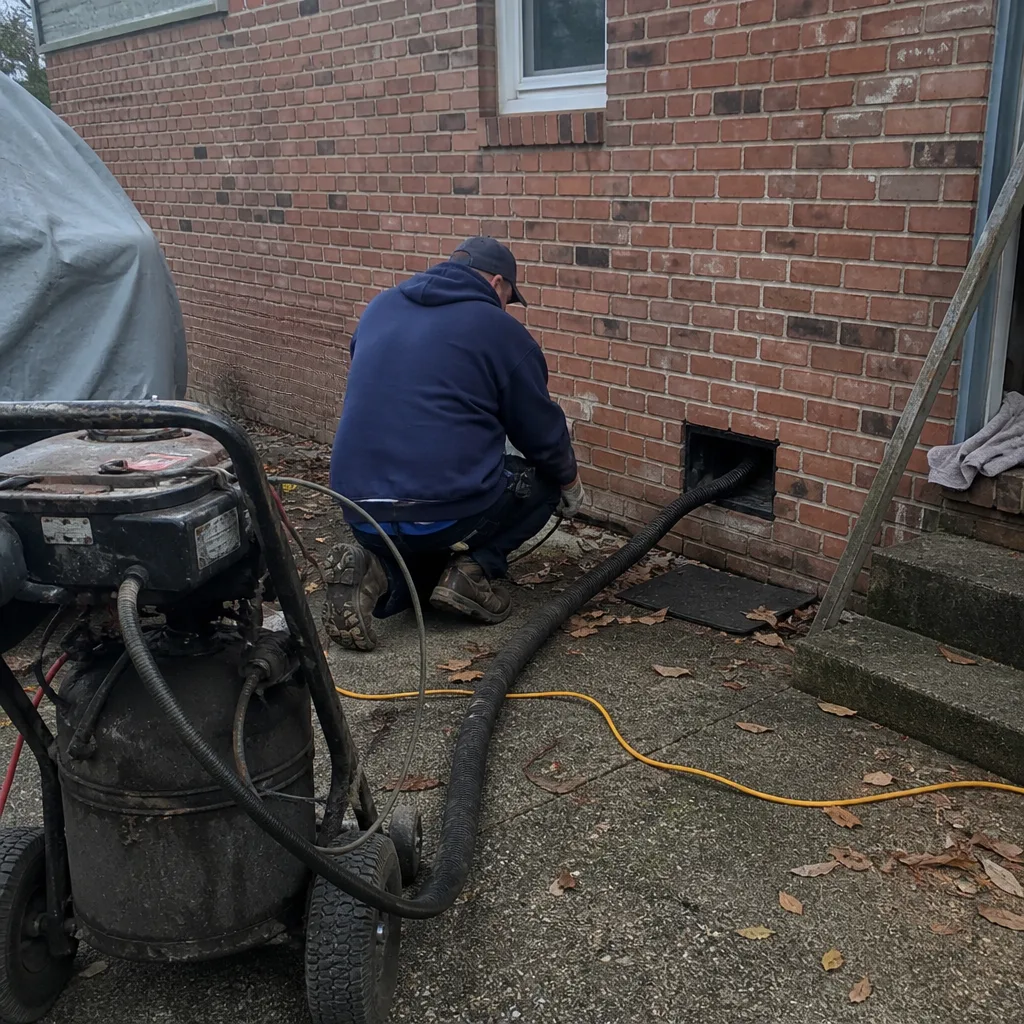 Before
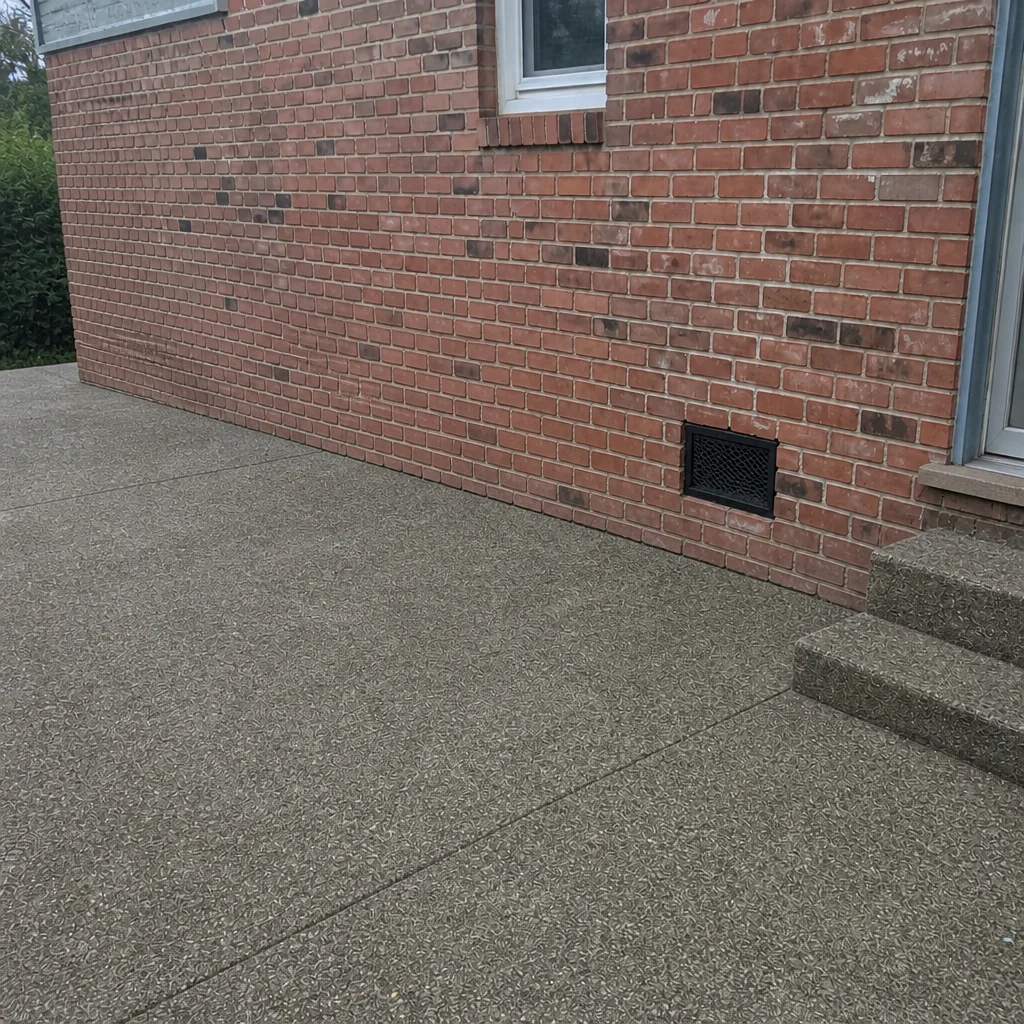 After
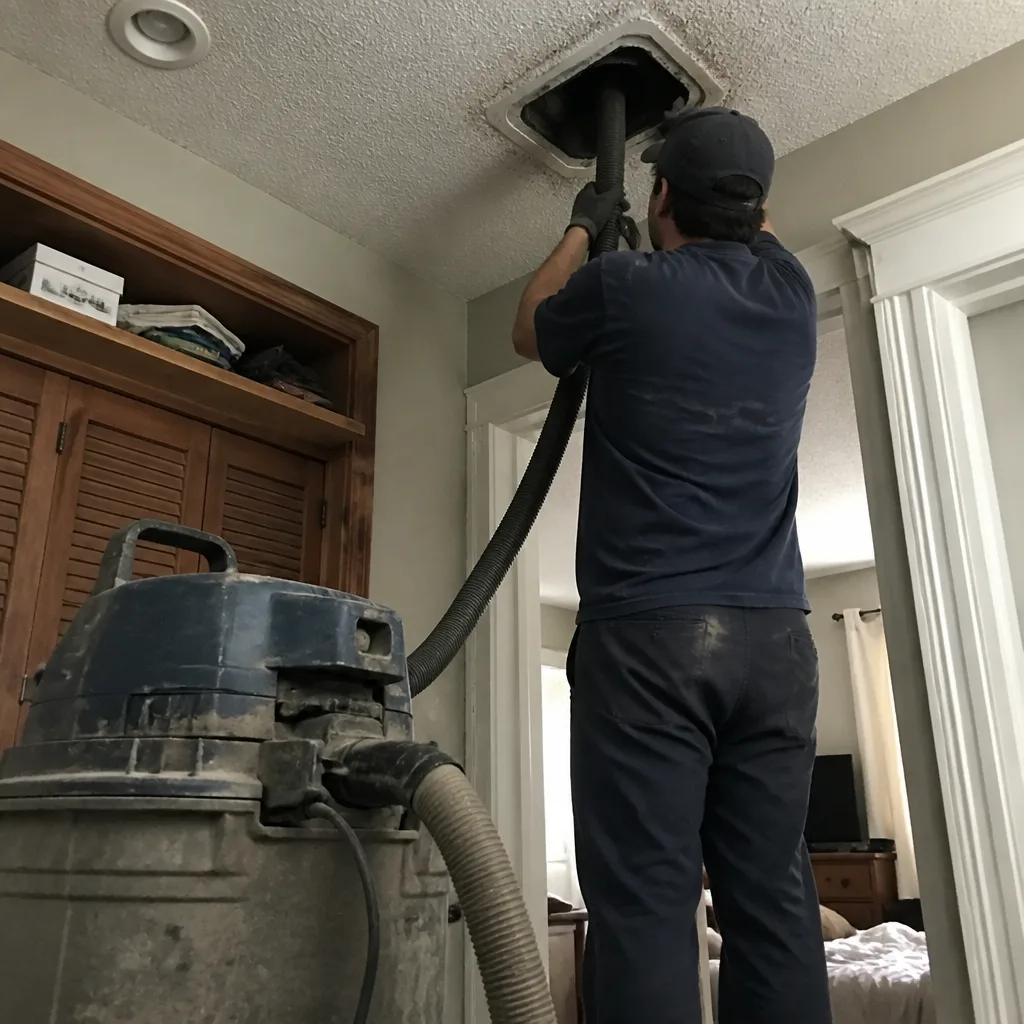 Before
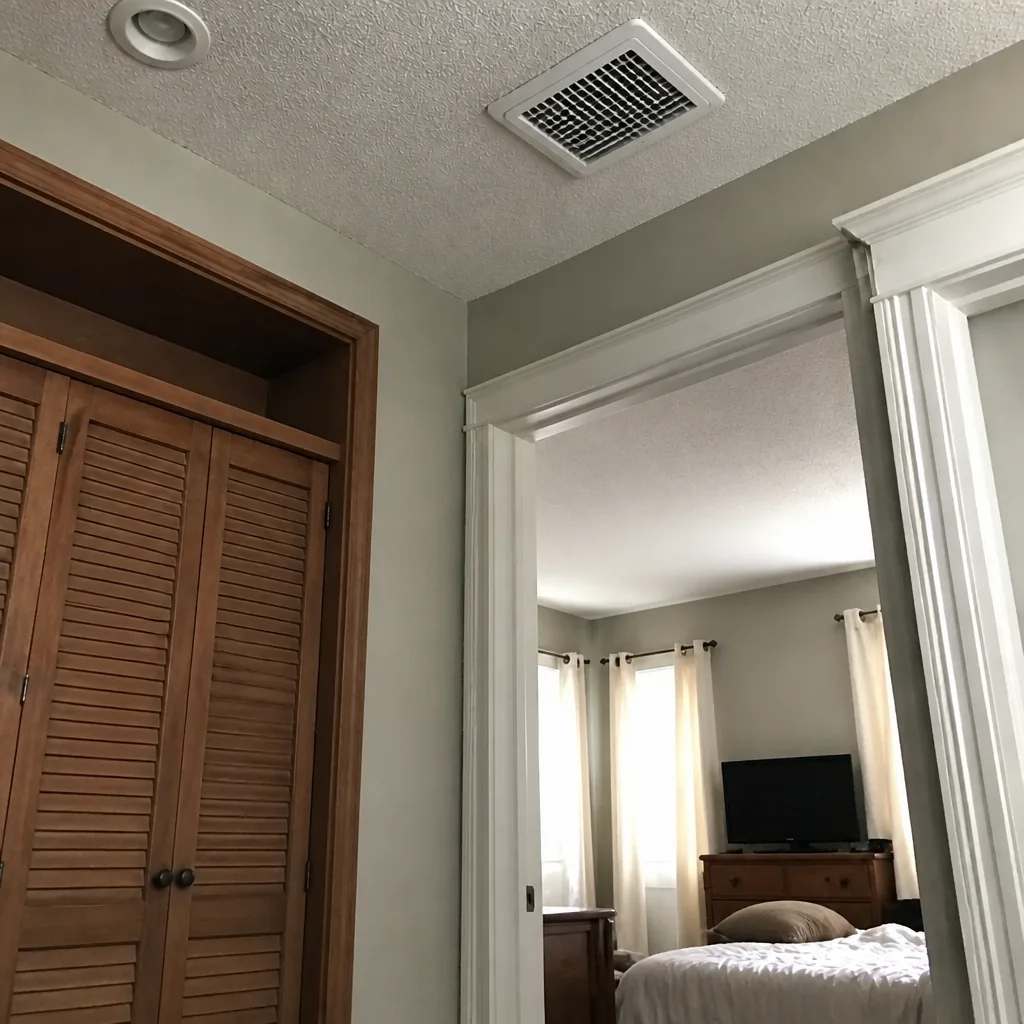 After
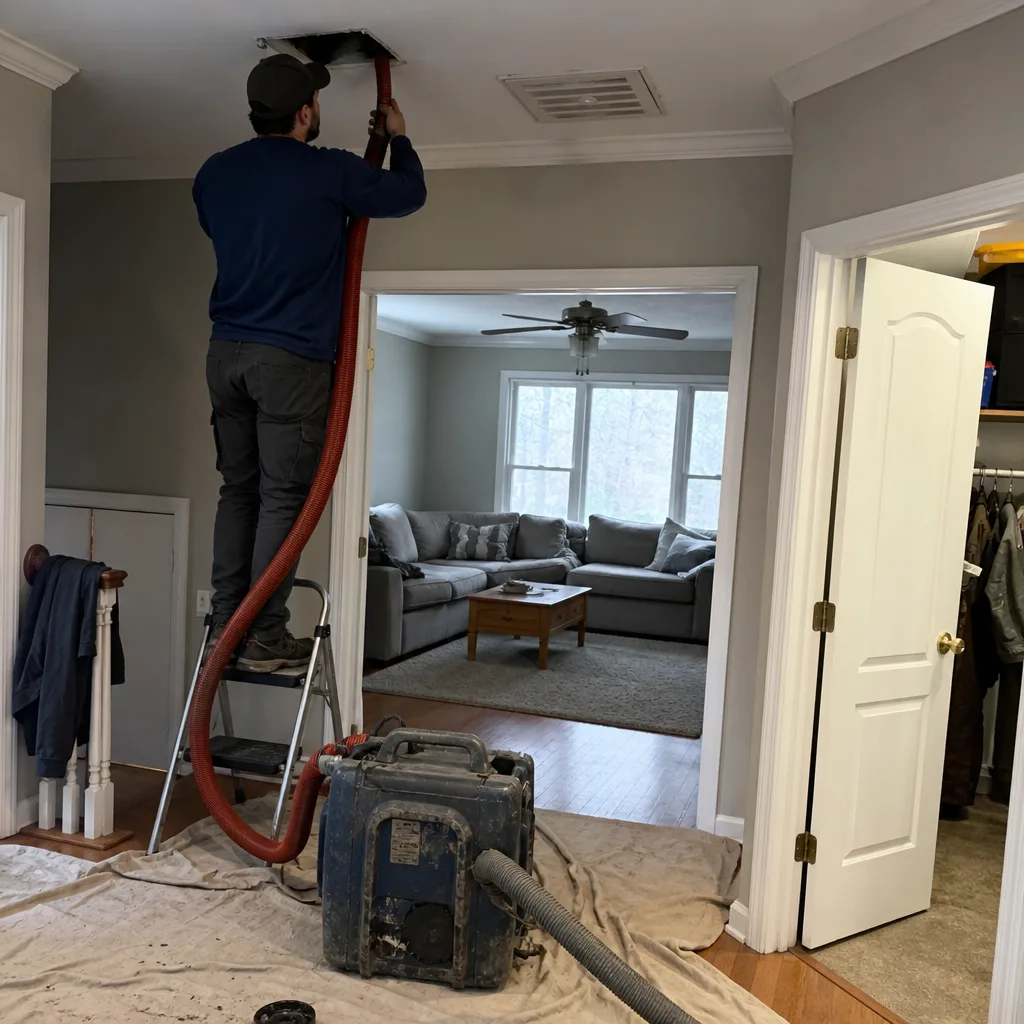 Before
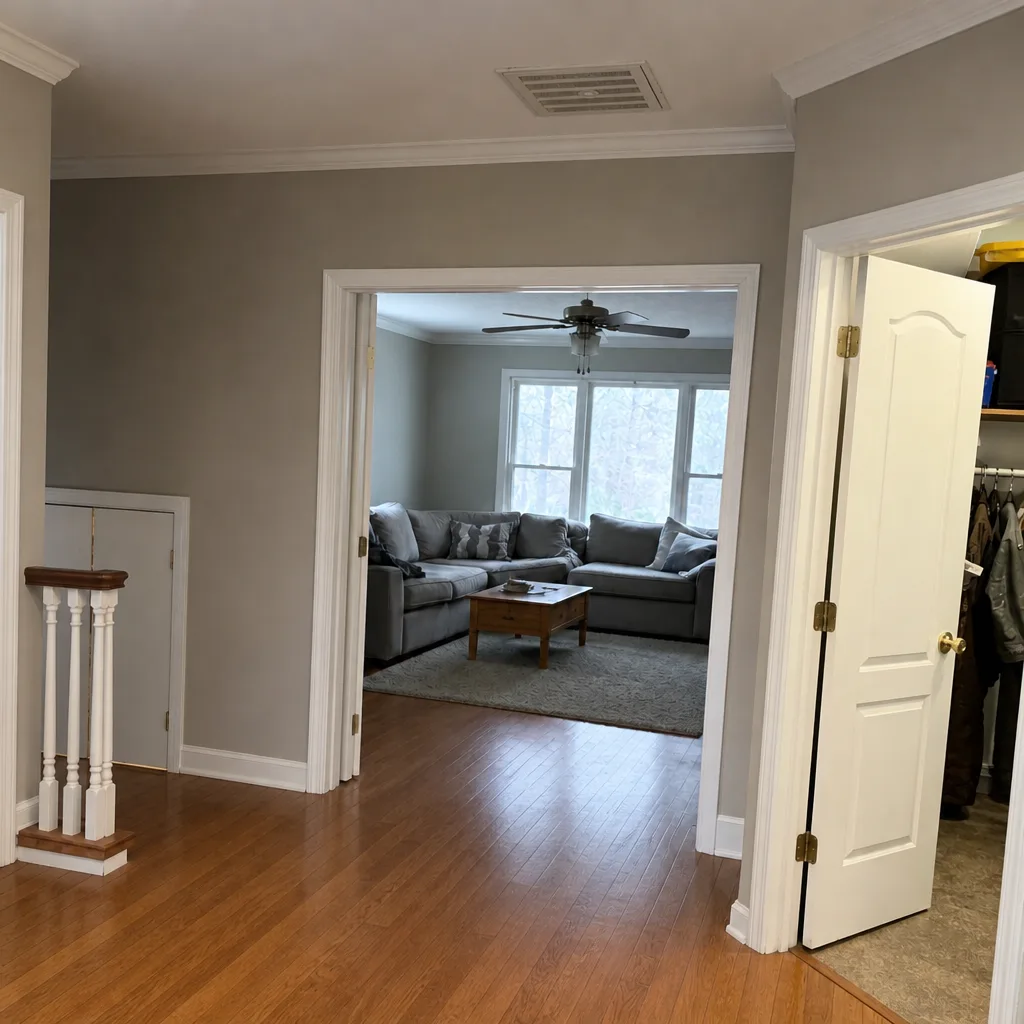 After
When to Call a Professional
Duct work is a process best handled with professional equipment, and some situations genuinely call for it. If anyone in the household has allergies or asthma, if you’ve just moved into a Knoxville home and don’t know its service history, or if you’ve just finished a renovation that filled the returns with drywall dust, a professional cleaning with HEPA extraction and containment is the right call. Pet owners with heavy shedding, and homes where you can see visible dust buildup on the return grilles, are the same story. Duct repair and sealing and dryer vent clearing should be done by a trained technician, and dryer vents in particular should not be left to guesswork. We’re glad to talk through whether cleaning is worth doing in your situation. Air Duct Cleaning Knoxville Pros offers free estimates in Knoxville. Call (844) 625-6998. We answer 24/7. Fast dispatch from 7am to 7pm, Sunday through Friday.
Frequently Asked Questions
The equipment, and specifically whether the company runs true professional gear instead of a shop vacuum. Ask which machines they use for agitation and extraction, how the vacuum is filtered, and what they do to contain debris at the returns. A company that answers precisely is a company that does the work. A company that says “a big vacuum” is telling you something too. Call (844) 625-6998 for an exact quote. Estimates are free.
Not automatically. Truck-mounted systems generate strong suction, but suction drops as the hose length grows, so on a long run or a second-floor system a portable professional unit positioned at the duct can outperform a distant truck. Ask how the company will reach your system and where the vacuum will sit. The right tool depends on the house, not the marketing. Call (844) 625-6998 for an exact quote. Estimates are free.
We quote one flat price per system, and the price is set by a written estimate after we see the system. Per-vent pricing isn’t how we work, because vent count tells you almost nothing about return runs, duct material, or how many systems a house has. The estimate is free and the written number is what you pay. Call (844) 625-6998 for an exact quote.
Usually the equipment and the scope. A lower quote often reflects a shop vacuum and a drill brush instead of HEPA extraction and negative-air containment, and it may turn into a larger invoice once the technician is on-site. We quote one flat price per system, agreed in writing before work starts, and we stand behind it with before-and-after photos of your own ducts. Call (844) 625-6998 for an exact quote. Estimates are free.
Ask for before-and-after photos of your own ducts, and watch the first ten minutes of the job: sheeting at the returns, vacuum running during agitation, filter condition after. Interior duct photos confirm the brush reached the walls. If a company can’t show its own results, you have your answer. Call (844) 625-6998 for an exact quote. Estimates are free.
Yes, dryer vent cleaning is a dedicated service for us, and it matters because lint accumulation along the run to the exterior cap is a recognized fire risk and restricts airflow. Most duct-only operators skip it. Clearing it in the same visit addresses the part of the household air pathway most likely to be neglected. Call (844) 625-6998 for an exact quote. Estimates are free.
The Bottom Line
Judge a Knoxville duct cleaning company by its equipment platform, not its logo. Rotobrush agitation with integrated HEPA, Nikro and Abatement Technologies negative air chosen to fit the house, containment at the returns, and continuous vacuum during the work are the visible evidence of a real job. Add before-and-after photos of your own ducts, dryer vent cleaning as part of the service, and one flat price per system agreed in writing before work starts, and you’ve evaluated the things that actually predict a clean result. Our technicians have up to 10 years of experience. Air Duct Cleaning Knoxville Pros handles the full air pathway, from duct openings to the dryer vent cap. Call (844) 625-6998. We answer 24/7. Fast dispatch from 7am to 7pm, Sunday through Friday. Estimates are free, and the written price sets the final cost. Air quality you can verify, not just assume.
Written by the team at Air Duct Cleaning Knoxville Pros.