
Last updated November 25, 2026
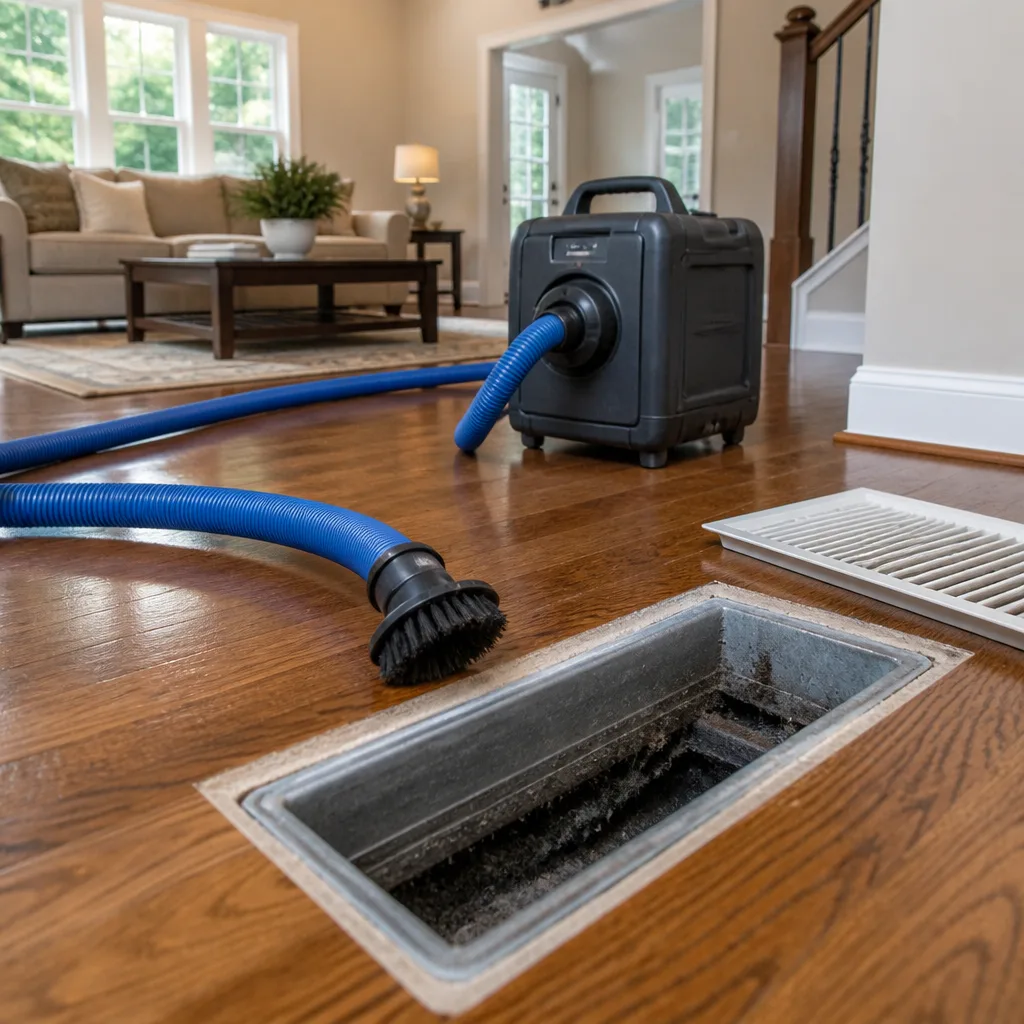 Whole-home duct cleaning
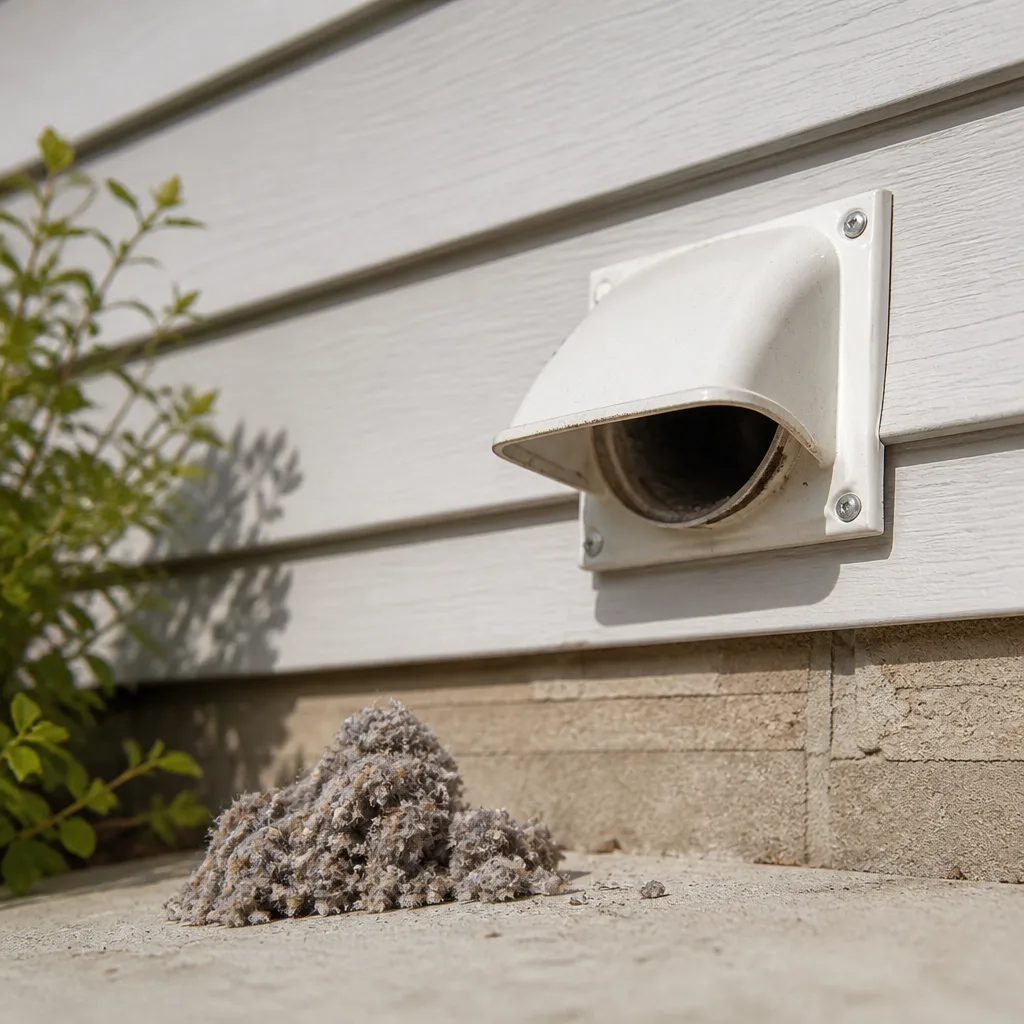 Dryer vent cleaning
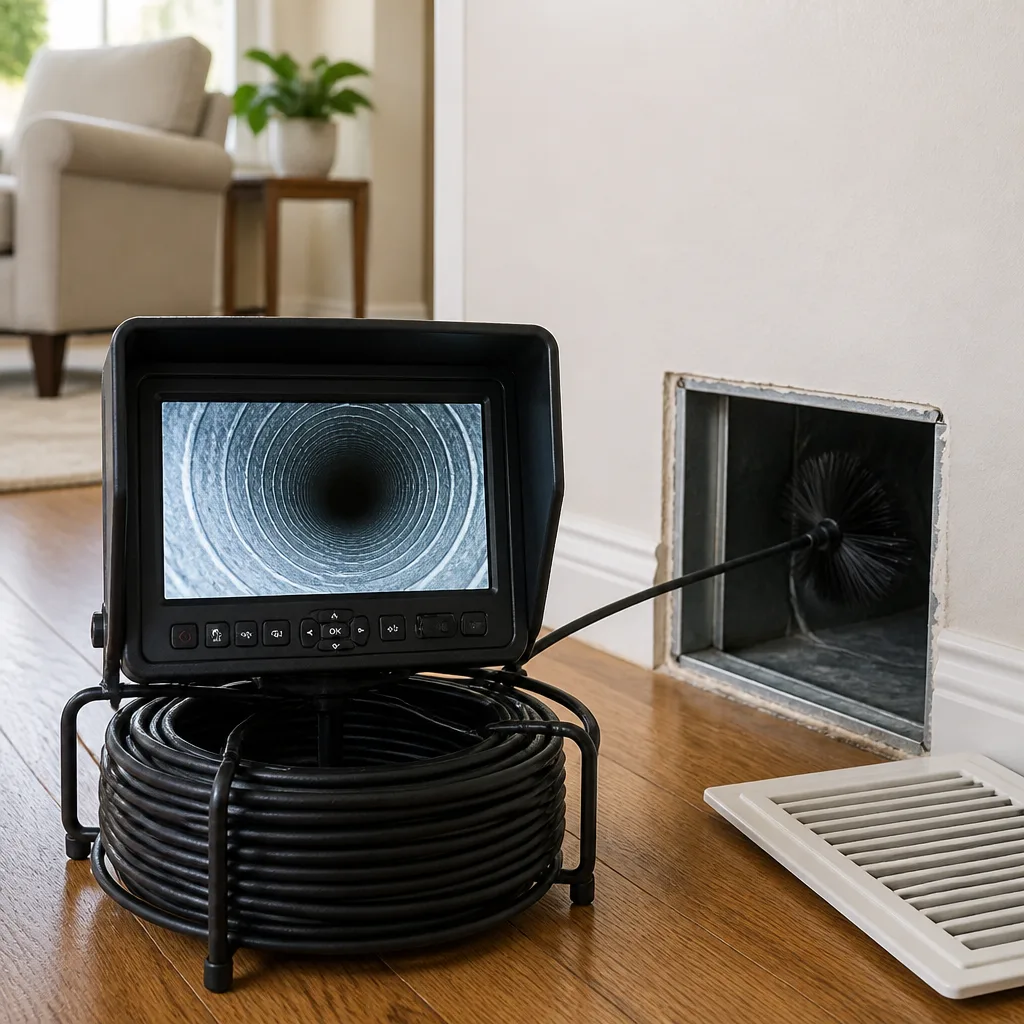 Camera inspection
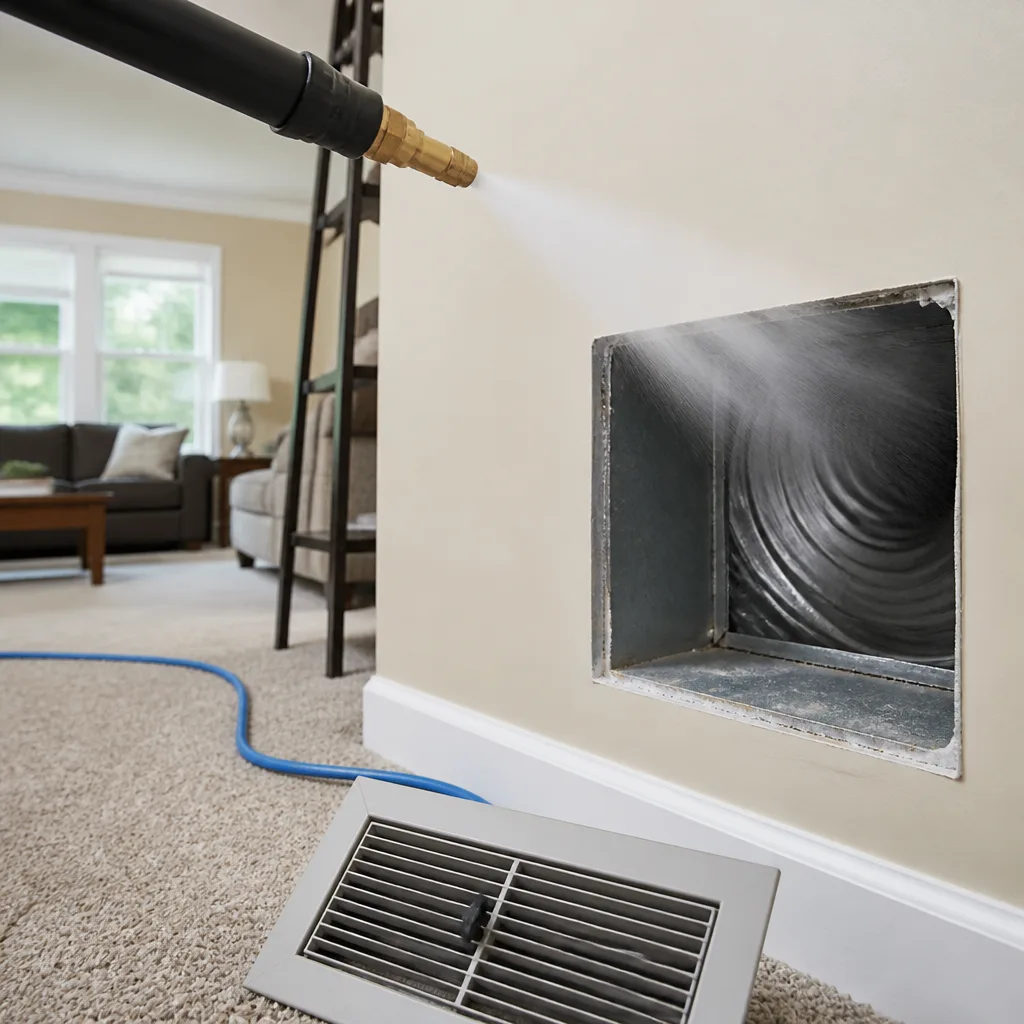 Sanitizing & deodorizing
Whole-system duct and dryer vent check with before-and-after photos - you see exactly what came out of your vents
That "$99 whole-house special" is a bait ad - the real number appears once they are in your hallway, or the "clean" is a shop-vac at the register. We photograph the inside of your ducts before and after instead.
Air Duct Cleaning Permits, Codes & Inspections in Knoxville, TN: What You Need to Know
Tennessee doesn’t license air duct cleaning as a trade. There’s no state exam, no state permit for pushing a rotary brush through a supply run, and no code inspector who shows up to watch the vacuum run. That fact gets a lot of attention from people looking for the cheapest quote, and it’s the reason this market has no quality floor. But the absence of a cleaning permit doesn’t mean the work sits outside regulation entirely. The moment a job crosses into duct repair, mold remediation, moisture correction or a mechanical system change, a different set of rules engages – and most Knoxville homeowners only learn that after a problem surfaces. What follows maps where cleaning ends and regulated work begins.
Quick Answer
Air duct cleaning by itself does not require a permit or a state contractor license in Knoxville or anywhere else in Tennessee – it isn’t a licensed trade under state law. Mechanical permits, licensing rules and remediation standards only apply once the work becomes duct modification or replacement of HVAC components (Knox County mechanical permit territory), mold remediation under Tennessee Department of Environment and Conservation guidance, or work covered by Tennessee’s contractor licensing law at TCA 62-6. For cleaning alone, the homeowner’s real protection is documentation and equipment disclosure, not a permit.
Styles & brands we work with
- Whole-home duct cleaning
- Dryer vent cleaning
- Camera inspection
- Sanitizing & deodorizing
Table of Contents
- Does air duct cleaning require a permit in Knoxville?
- Where cleaning ends and regulated work begins
- When duct cleaning becomes mold remediation under TDEC
- Knox County mechanical permits for duct modification and replacement
- How TCA 62-6 covers contractors and why it skips cleaning crews
- EPA guidance on mold in HVAC and Tennessee disclosure expectations
- What documentation to request before and after the job
- Inspections, verifications and what a real finishing walk-through looks like
Does air duct cleaning require a permit in Knoxville?
No. Knoxville and Knox County do not issue a permit for air duct cleaning. The work isn’t classified as construction, it doesn’t alter the building envelope, and it doesn’t touch the mechanical system in a way the building code reviews. A crew can clean every supply and return run in a Knoxville house without filing a single document with the city or the county.
That’s the regulatory reality, and it creates a gap. A general HVAC contractor carries a license because installation and repair are licensed activities. A duct cleaner carries nothing comparable because there’s nothing to carry. The result is a market with no credential ceiling and, more importantly, no credential floor – anyone with a shop vac and a ladder can advertise. In our experience, the equipment a crew shows up with is the most honest signal you’ll get: does it pull HEPA-filtered vacuum through a sealed system, does it agitate with a rotary brush from the inside of the duct, or does it look like something you could rent at a hardware store?
What a homeowner can verify without a permit: the scope being documented in writing, the equipment being named in the contract, before-and-after photos of the same runs before the crew packs up, and a walk-through at the end. None of that requires a code inspector. It requires the contractor to commit to specifics.
If your goal is a straight cleaning on a house that isn’t in the middle of a mold problem or a renovation, that’s the whole story. If something more is going on – visible growth, a duct that’s separated at a boot, a system change – the guide below is where it gets useful.
Where cleaning ends and regulated work begins
Cleaning is the act of removing accumulated dust, debris and loose contamination from the interior surfaces of ducts and HVAC components. Regulated work begins when the scope shifts from removal to repair, correction, remediation or system alteration. The line matters because the rules, the credentials and the homeowner’s recourse all change when you cross it.
Here’s how the distinction usually breaks down on a Knoxville job:
- Cleaning: source-removal dust and debris from supply and return ducts, registers, grilles, and the accessible components of the air handler. No permit, no license required.
- Duct repair and sealing: reconnecting separated joints, sealing leaks, repairing crushed or disconnected flex runs. Whether a permit is needed depends on whether the repair counts as a mechanical system alteration (more on the Knox County rules below).
- Duct replacement or modification: changing the layout, adding or removing runs, resizing, or replacing a section of duct as a construction activity. This is where mechanical permits enter the picture.
- Mold remediation: once the job shifts from “clean the ducts” to “remove established mold growth and correct the moisture condition behind it”, Tennessee Department of Environment and Conservation guidance comes into play and the scope should be documented as remediation, not cleaning.
- System modification: anything that changes the mechanical configuration – a rebalance, a new return, capacity changes – sits in licensed contractor territory under TCA 62-6.
The honest version: most Knoxville duct cleaning jobs stay firmly in the first category, and that’s fine. But when a cleaning crew tells you a run “needs replacing” mid-job, you’ve just been moved into a regulated scope. The right response is a pause, a written description of what’s being proposed, and a check on who’s qualified to do it. We mark the boundary in the estimate and let the homeowner decide whether the adjacent work belongs in the same visit or a separate licensed contractor’s scope.
When duct cleaning becomes mold remediation under TDEC
This is the section homeowners wish existed before they called someone. Here’s the working rule: duct cleaning addresses dust and ordinary contamination. Remediation addresses mold growth. The line isn’t about how dirty the duct looks – it’s about whether there’s an active mold condition and a moisture source feeding it.
The Tennessee Department of Environment and Conservation doesn’t license mold remediation contractors the way some states do, but its guidance on mold differs from dust in one essential way: mold requires a moisture diagnosis, not just a cleaning. If a contractor finds visible growth on duct liner, on the air handler coil, or inside a supply boot, the correct scope is (1) identify and correct the moisture source, (2) contain the affected area, (3) remove the affected material, (4) verify the result. That’s remediation. A brush and a vacuum alone won’t resolve it, and a “sanitizing” fog alone won’t either.
In Knoxville, moisture in ducts usually traces back to a few sources:
- Condensation on cold duct surfaces during humid East Tennessee summers – especially on runs in unconditioned spaces like attics and crawlspaces.
- Air handler coil and drain pan issues that keep the interior of the system damp.
- Roof or plumbing leaks that wet insulation or duct liner in a ceiling cavity.
- Crawlspace humidity migrating into return ducts, a familiar issue in older Knoxville neighborhoods with vented crawlspaces and original duct systems.
Once removal of established growth is on the table, containment matters. We use Abatement Technologies negative-air equipment to keep dislodged material from spreading into living space during the work – the same approach used in commercial remediation, where containment isn’t optional. And we’re direct about scope: if the moisture source isn’t corrected, “sanitizing” a duct with a fogger is a short-term cosmetic measure, not remediation, and we say so before we start.
If a contractor jumps straight to “we’ll fog it” without asking where the moisture is coming from, you’ve identified the wrong crew. If you’re seeing growth on more than one duct surface, treat that as a remediation question, not a cleaning question.
Knox County mechanical permits for duct modification and replacement
Cleaning needs no permit. Duct modification or replacement can. Knox County reviews mechanical work under the building code adopted for the jurisdiction, and the trigger isn’t the cleaning – it’s the alteration to the mechanical system. If a contractor is replacing a run of duct, adding a new return, resizing a trunk, or making a change of comparable scope to the system’s configuration, that work typically falls on the permit side. Our experience is that most duct cleaning jobs don’t get near that line; the ones that do usually started as a “cleaning” and turned into a repair once the crew opened a boot and found a disconnected run or a crushed flex duct under a floorboard.
Here’s the practical test a homeowner can apply:
- Is the work removing debris, or is it changing the system? Removal = cleaning. Change = mechanical scope.
- Does the scope include replacing a section of duct or reconfiguring a run? If yes, ask whether the contractor is filing or has filed a mechanical permit with Knox County.
- Is the contractor licensed for mechanical work? A cleaning-only crew is not. If the scope needs a licensed mechanical contractor, that’s the person who should do the work.
- Is the reason for the modification documented? “The duct was crushed” or “the return was undersized” are the kinds of findings that justify the change – and belong in writing.
If you’re told a permit isn’t needed for the modification, ask for that in writing and get it in front of your own judge of it – the Knox County codes department is the authority, not the contractor. In our experience, a licensed mechanical contractor will bring up the permit themselves because it’s part of doing the job properly; a cleaning crew that suddenly offers to “replace the duct” is a different situation entirely.
One more Knoxville-specific angle: many houses in the older neighborhoods have duct systems that mix original metal trunk lines with added flex branches from later additions. When the modification is a rework of that hybrid layout, the permit situation is real and should be part of the conversation before any material comes out of the truck.
How TCA 62-6 covers contractors and why it skips cleaning crews
Tennessee Code Annotated Title 62, Chapter 6 sets the licensing framework for contractors doing construction work in the state. It covers general contractors, mechanical contractors, electrical and plumbing contractors – categories that involve the physical alteration of a building or its systems. Cleaning does not. That’s why a duct cleaning crew can operate legally without a state contractor license, and it’s why the cleaning market has no licensing floor under TCA 62-6.
What that means for you as a homeowner:
- You cannot rely on a license lookup to vet a cleaning-only crew. There’s nothing to look up. You have to vet on documentation, equipment and process instead.
- A licensed mechanical contractor is the right person for duct replacement, system modification and anything that would count as construction. That person carries a license because the work requires it.
- Recourse is a contract question, not a licensing-board question. If a cleaning-only crew damages your system or does work outside the agreed scope, the complaint generally goes through the courts or your own written agreement, not through the state licensing board – because there’s no licensing relationship to enforce.
- Insurance and business registration are still your protection. Even where a license isn’t required, a legitimate contractor should carry general liability insurance and be able to show it when asked.
This is the piece of the puzzle most homeowners miss. TCA 62-6 isn’t the tool you use to vet a duct cleaning crew; it’s the reason you can’t. The protection you actually have is the written estimate, the documented scope, and the photographs. We put all three in writing on every job, and we keep the scope limited to cleaning, sealing, dryer vent work and sanitizing – if a job crosses into licensed mechanical territory, that scope belongs with someone licensed for it.
EPA guidance on mold in HVAC and Tennessee disclosure expectations
The EPA’s guidance on mold in HVAC systems is built around one principle: control moisture and remove the source, don’t just treat the symptom. Its mold remediation guidance emphasizes containing the work area, protecting the occupants, physically removing the material that’s been affected, and correcting the moisture condition so the problem doesn’t return. Cleaning the interior surfaces of a duct system is part of that, but only when the deeper cause has been dealt with.
Tennessee’s interaction with that guidance is mostly through TDEC’s general mold guidance, which follows the same logic: find the moisture source, correct it, remove affected material, verify. There is no state disclosure form for duct work specifically. What exists is a broader expectation that a contractor will be honest about what they found and what they’re proposing – and that the homeowner will have enough information in writing to make a decision.
In practice, the disclosure points that matter on a Knoxville job are:
- What the crew observed – dust only, or visible growth? Growth on duct liner or air handler surfaces changes the scope.
- Where the moisture is coming from – a problem description, not a diagnosis sold as cleaning.
- What’s included in the cleaning and what’s excluded – a scope written before work starts, not adjusted after.
- What the sanitizing step is and why – sanitizing is a standard option in our service lineup, but it’s a step, not a cure for moisture.
When a homeowner asks us about a duct that showed growth, the answer is: that’s a remediation question and the moisture source has to be part of the scope. Sanitizing a duct that keeps getting wet is a repeated expense, not a solution. We’d rather have the honest conversation up front.
What documentation to request before and after the job
Since there’s no permit file to check afterwards, the paper trail is the file. The documents a homeowner should ask for on any Knoxville duct cleaning job:
- A written scope before work starts. Which ducts are being cleaned, which components of the air handler are included, whether dryer vent is part of the job, and what’s excluded. Vague scopes are how “clean the ducts” becomes “we noticed your plenum needed $2,400 of extra work”.
- Equipment named in writing. Rotary brush systems, HEPA-filtered vacuum, negative-air containment. Our crews run Rotobrush rotary brushing with Nikro HEPA extraction – it’s the same method used in commercial buildings, and it’s the difference between cleaning a duct and redistributing its contents into the room.
- Before-and-after photographs of the same runs. Not stock photos – the actual ducts in the actual house, from the same angle. This is the single most useful document because it’s the one you can verify yourself.
- Insurance and business registration disclosure. Even without a state license requirement, a legitimate contractor carries general liability and can show it.
- A walk-through at the end. A finishing inspection with the homeowner present, at the registers, with the vacuum off so you can see and ask questions.
- A written record of anything found. Disconnected joints, crushed runs, evidence of moisture. Anything that points toward a repair or remediation scope should be in writing and separate from the cleaning invoice.
- The invoice, itemized. One flat price per system as agreed, with no creeping per-vent charges.
The reason all seven matter is that none of them depend on the state to enforce. They depend on the contractor’s willingness to put specifics on paper before the work begins. If any of these are missing, treat it as a signal. A crew that can’t produce them at the start usually can’t produce them at the end either.
Inspections, verifications and what a real finishing walk-through looks like
Nobody from Knox County inspects a duct cleaning. The verification is yours, and it happens at the end of the job. What that looks like when it’s done properly:
- Every register gets opened. The finishing walk goes register to register, not a single sample in the hallway. A crew that won’t open the bedroom supplies on the second floor hasn’t finished.
- Photographs reviewed with the homeowner. Before-and-after of the same run, side by side, before the truck leaves.
- Air handler access panel secured. The cabinet is closed, the filter seated, and the system run once with the homeowner present so you can hear it and feel the airflow at a register.
- Duct sealing checked where the scope included it. If separation at a boot was part of the scope, that’s verified with the homeowner – not described from memory.
- Dryer vent cap re-secured. If dryer vent work was part of the scope, the outdoor termination is inspected and seated before the crew leaves.
- A written summary. What was found, what was done, what was photographed, what needs follow-up. Anything pointing to a repair, a moisture issue or a licensed mechanical question goes in the summary, separately from the invoice.
The full air pathway matters here – supply ducts, return ducts, dryer vents, HVAC components and the sanitizing step. A duct cleaning in Knoxville that skips the return side or the air handler cabinet has left the bulk of the accumulation in place. The walk-through is where that’s either obvious or hidden, and it’s the last chance a homeowner has to have it made right.
Common Mistakes to Avoid
- Treating “no permit required” as “no standards apply”. Cleaning needs no permit, but the work is still governed by what the contractor puts in writing. Assume the permit gap means the paperwork gap doesn’t matter, and you’ve handed over the only leverage you had.
- Accepting a mid-job scope change without a written description. “We found a crushed duct, it’ll be another $900” is a scope change, and in Knox County it may be mechanical work instead of cleaning. Ask for it in writing before it happens.
- Letting a cleaning crew handle visible mold growth. Once there’s active growth in a duct, the scope is remediation under TDEC guidance, and the moisture source has to be part of the job. A fogger and a “deep clean” won’t get there.
- Skipping the moisture question on an older Knoxville house. Ventilated crawlspaces and humid summers are a common source of damp return ducts in older neighborhoods. If the cleaning visit doesn’t include a moisture conversation, it’s incomplete.
- Failing to confirm who’s doing the modification. If a job crosses into duct replacement or a system change, that’s licensed contractor work under TCA 62-6. Verify before material comes out – not after.
- Not keeping the before-and-after photos. The single best record of what the ducts looked like before the crew arrived is the photo set. Ask for it and keep it. It’s the closest thing to an inspection report you’ll get.
- Booking a duct cleaner without asking who holds the insurance. No state license requirement exists, so insurance and business registration are the credential. If a crew can’t answer that question, the job isn’t ready to start.
See the difference
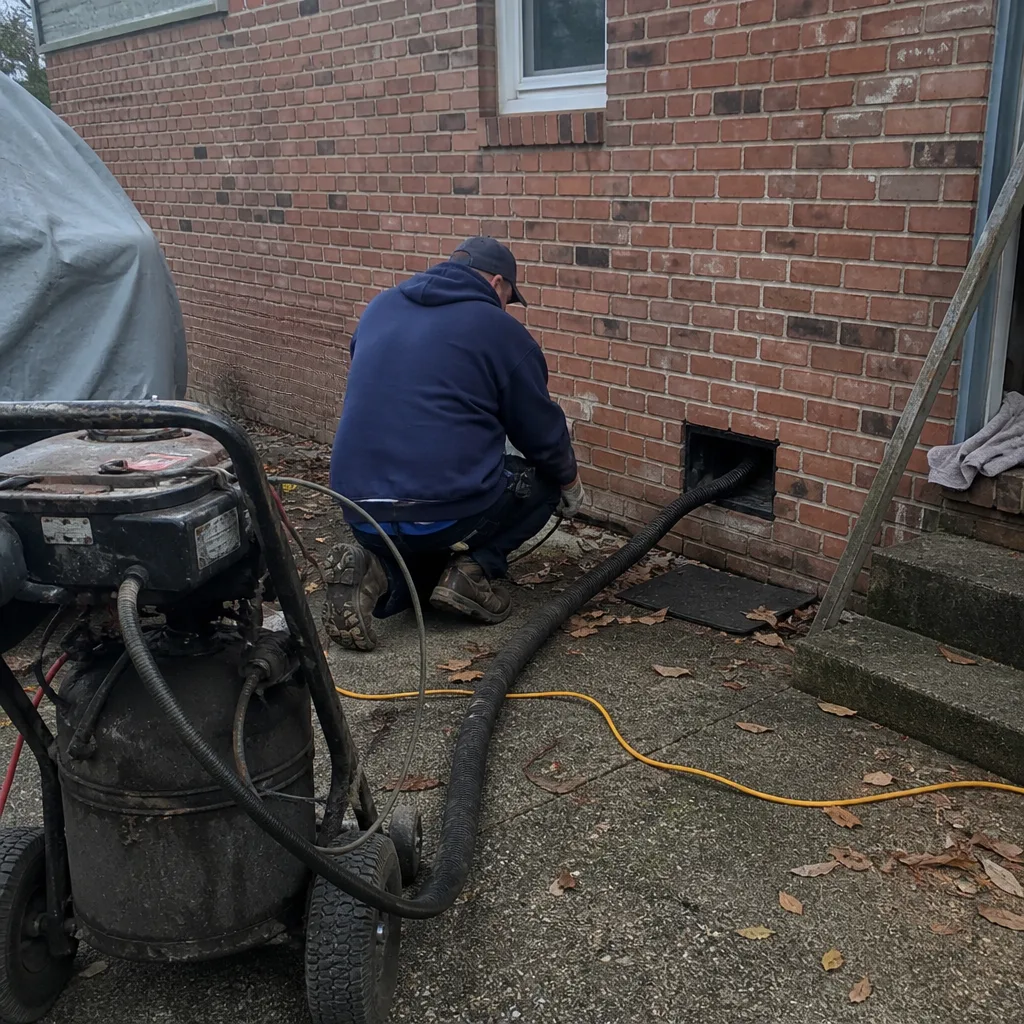 Before
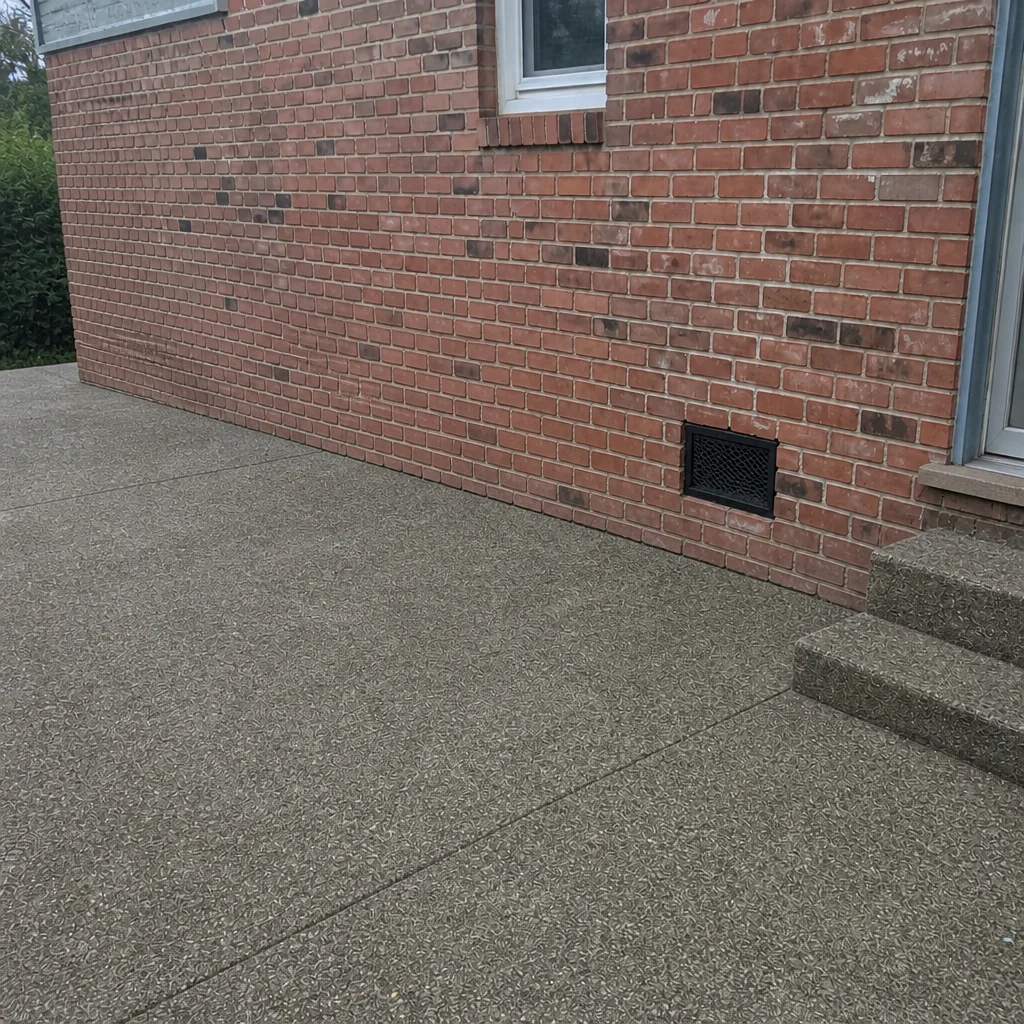 After
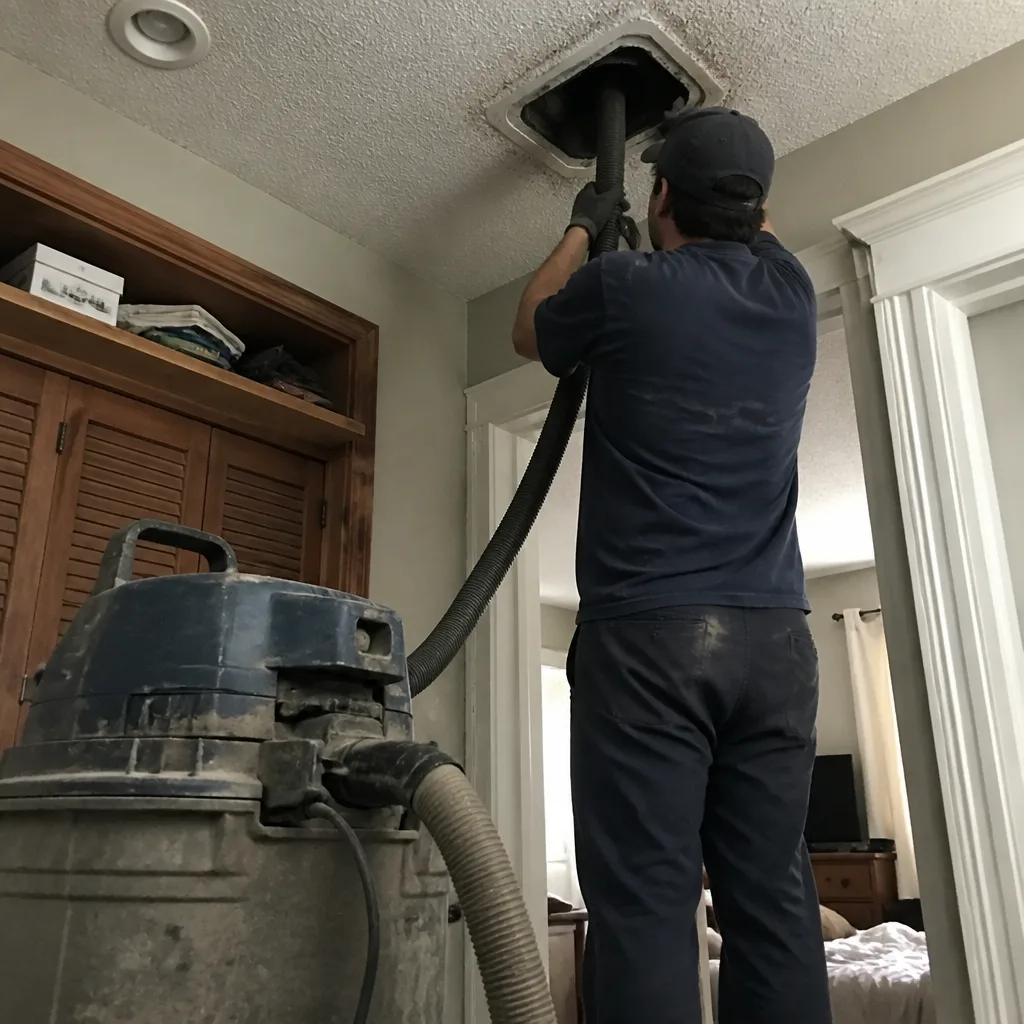 Before
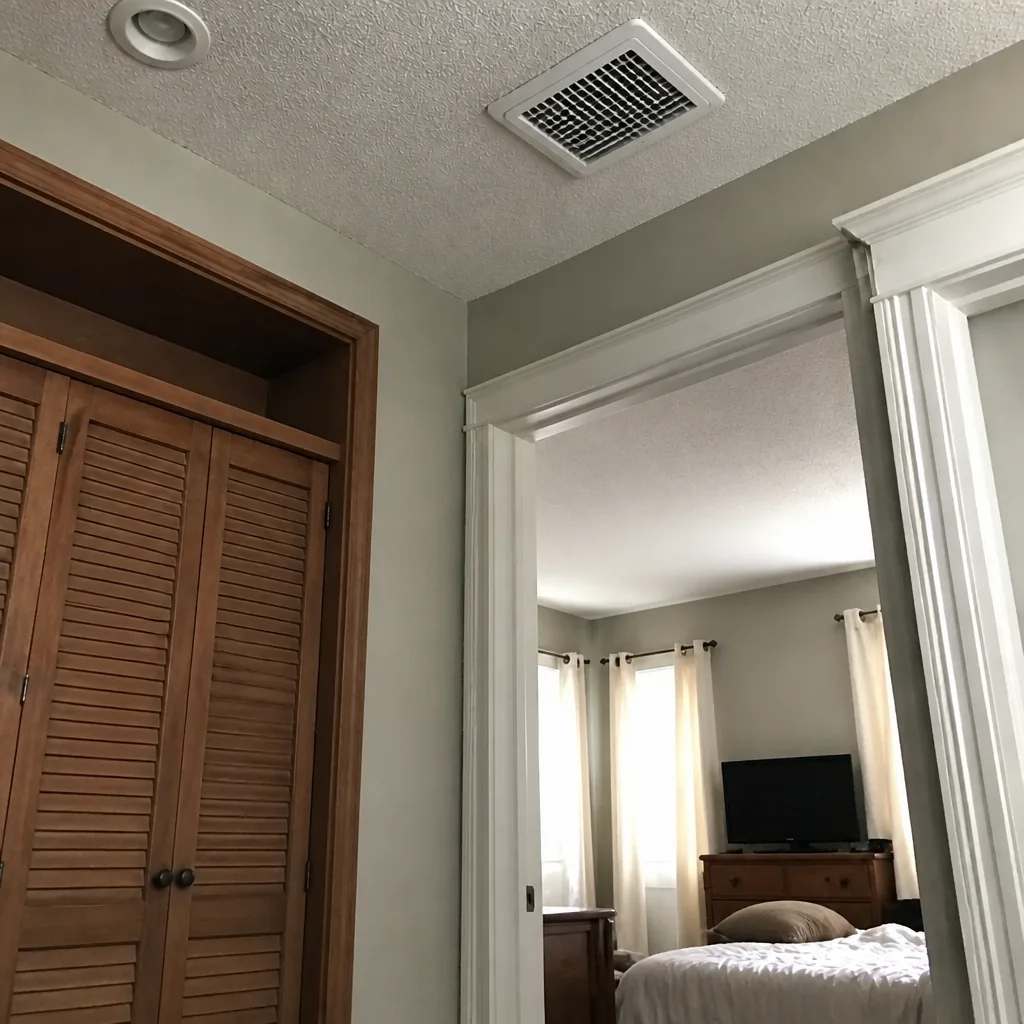 After
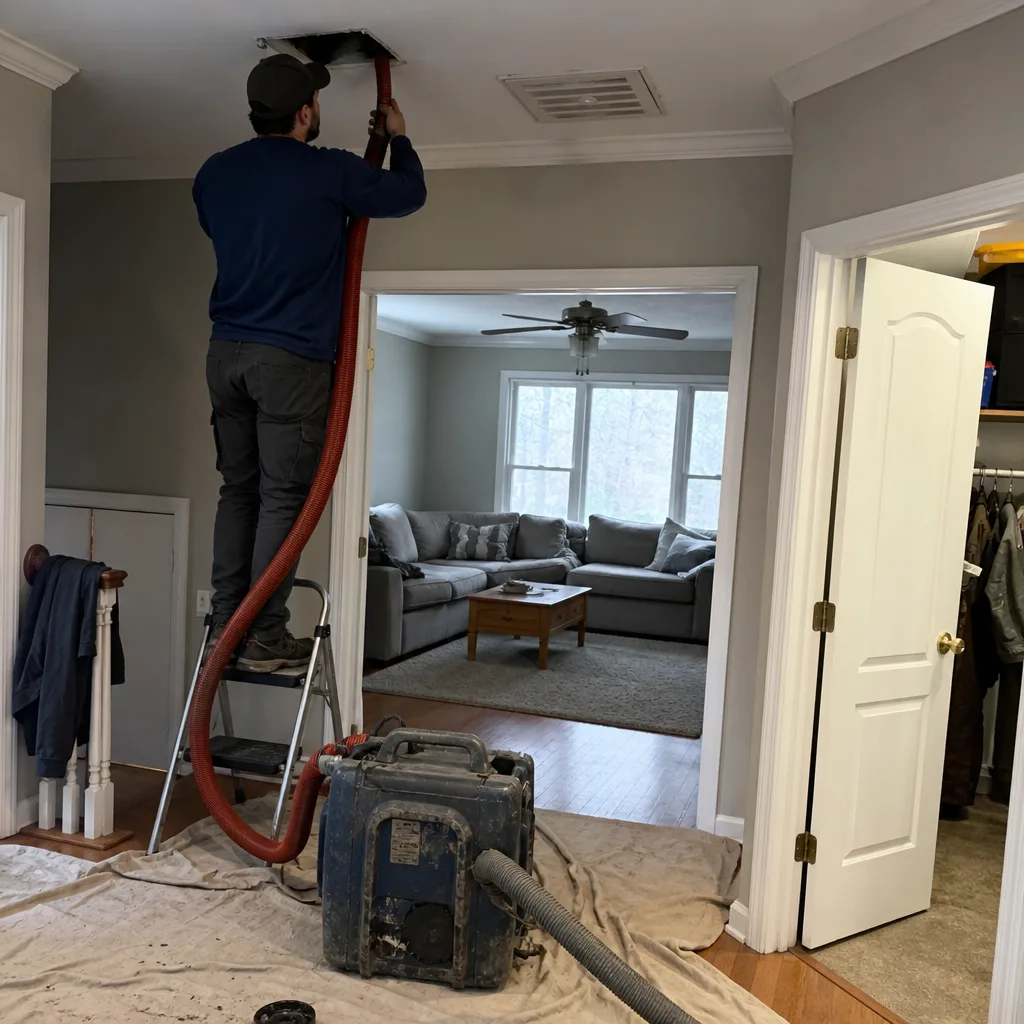 Before
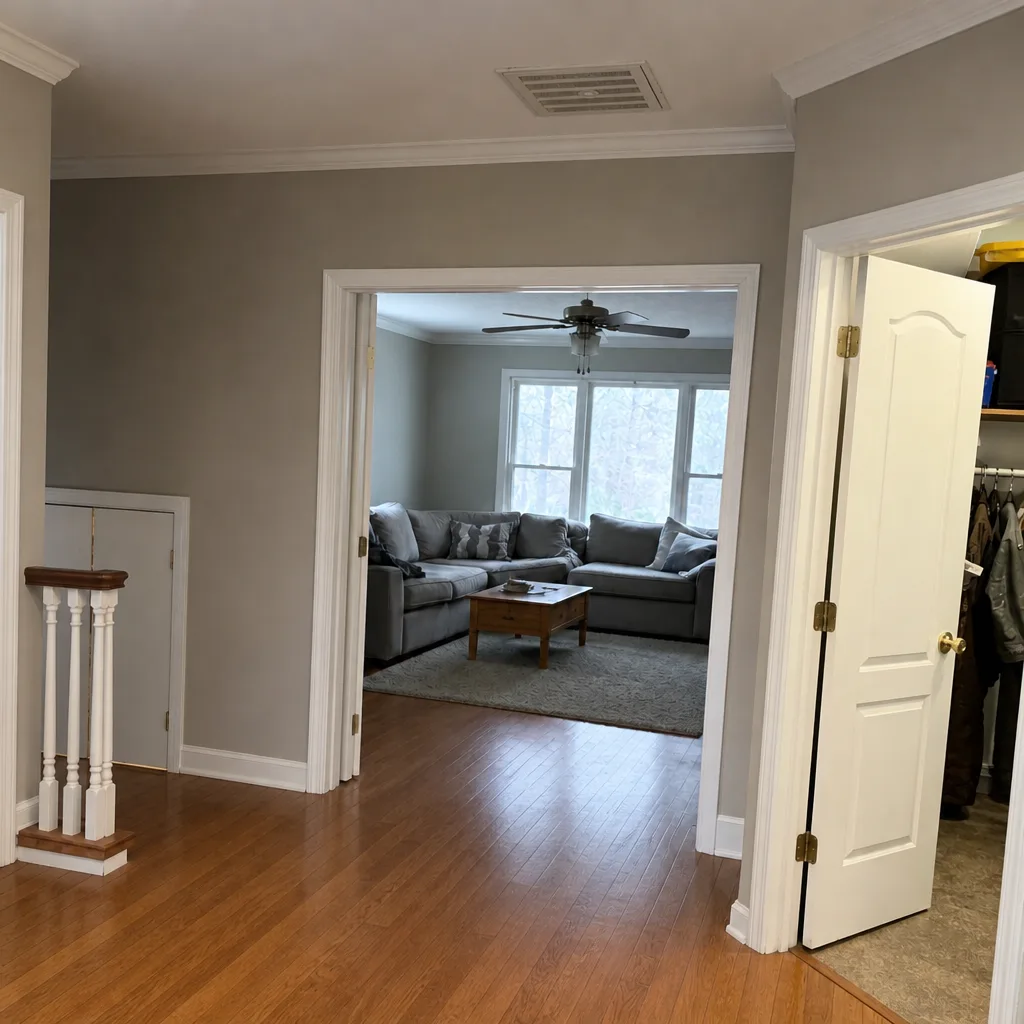 After
When to Call a Professional
Some duct situations call for a professional, not a shop vac and a ladder. If you’re seeing visible growth on a duct surface, if a supply register is blowing particles in the first few minutes after the air handler starts, if there’s been a water intrusion or a renovation in the last year, or if the HVAC system hasn’t been cleaned in the time you’ve owned the house, a documented cleaning is the right starting point. If a duct run is connected but clearly leaking at the boot, that’s duct repair and sealing – best handled in the same visit as the cleaning, while access is already open. If a contractor is proposing duct replacement or a system change, that’s licensed mechanical work and should be handed to a licensed mechanical contractor. Air Duct Cleaning Knoxville Pros offers free estimates in Knoxville – call (844) 625-6998. We name the equipment we use and put the scope in writing before work starts, so the estimate is the place where decisions get made, not the middle of the job.
Frequently Asked Questions
No. Knoxville and Knox County do not require a permit for air duct cleaning. The work isn’t classified as construction and doesn’t alter the mechanical system, so there’s no permit filing involved. The permit question only enters the picture when the scope shifts into duct modification or replacement. Call (844) 625-6998 for an exact scope and estimate – estimates are free.
No. Tennessee Code Annotated Title 62, Chapter 6 licenses contractors who perform construction and mechanical work, but does not license duct cleaning as a trade. That means a cleaning-only crew operates legally without a state license – and there’s no state license lookup to use on them. Vetting happens through written scope, equipment disclosure, insurance and photographs instead. Call (844) 625-6998 with any questions about our scope.
When the work shifts from removing dust and debris to removing established mold growth and correcting the moisture source behind it. At that point the scope is remediation, not cleaning, and it should be documented that way. The Tennessee Department of Environment and Conservation’s mold guidance is built on finding the moisture, correcting it, removing affected material and verifying the result. Sanitizing alone doesn’t resolve a mold condition. If you’re seeing growth on more than one duct surface, that’s the call to make. Call (844) 625-6998 to talk it through.
Possibly, depending on what the repair involves. Cleaning a duct doesn’t require a permit; replacing a section of duct or making a system modification can trigger mechanical permit review in Knox County. The right move is to pause the job when a scope change is proposed, get the change in writing, and confirm with the Knox County codes department whether a permit is needed. A licensed mechanical contractor will typically raise that themselves. Call (844) 625-6998 to schedule an initial cleaning scope.
Ask for a written scope (before the work), before-and-after photos of the same runs, an itemized invoice, and a written summary of anything found that points to repair or remediation. Equipment should be named – rotary brush, HEPA-filtered vacuum, negative-air containment – not described in general terms. A finishing walk-through with the homeowner should happen before the crew leaves. Call (844) 625-6998 for a free estimate and a sample of the documentation we provide.
The EPA’s guidance on mold in HVAC emphasizes moisture control, containment, removal of affected material and correction of the underlying condition. Tennessee’s approach through TDEC’s mold guidance follows the same logic. In practice, on a Knoxville job, that means the moisture source is part of the scope and the paperwork should reflect remediation when that’s what’s happening. There’s no state-specific disclosure form, so the disclosure lives in the contractor’s written scope. Call (844) 625-6998 for an assessment that starts with the moisture question.
The Bottom Line
Air duct cleaning in Knoxville doesn’t need a permit, and the state doesn’t license the trade – which is exactly why the paper trail matters more here than in trades where a license and a permit already do the vetting. The regulatory line shows up when the work crosses into duct repair, mechanical modification (Knox County permit territory) or mold remediation under TDEC guidance, and at that point the right person for the job has a license and a filing under TCA 62-6. For cleaning, the homeowner’s protection is a written scope, named equipment, before-and-after photos of the same runs, a finishing walk-through, and one flat price per system agreed before work starts. Those five things do more to keep a job honest than any permit could.
Air Duct Cleaning Knoxville Pros handles the full air pathway – supply ducts, return ducts, dryer vent cleaning, HVAC components, duct repair and sealing, and post-clean air quality sanitizing. We run Rotobrush rotary brushing with Nikro HEPA extraction and Abatement Technologies negative-air containment, and we’re familiar with whole-home IAQ systems from Honeywell and Aprilaire when a job calls for it. Our technicians have up to 10 years of experience, and we put the scope and the price in writing before any work starts. Call (844) 625-6998 for a free estimate. We answer 24/7. Fast dispatch from 7am to 7pm, Sunday through Friday.
Written by the team at Air Duct Cleaning Knoxville Pros.